
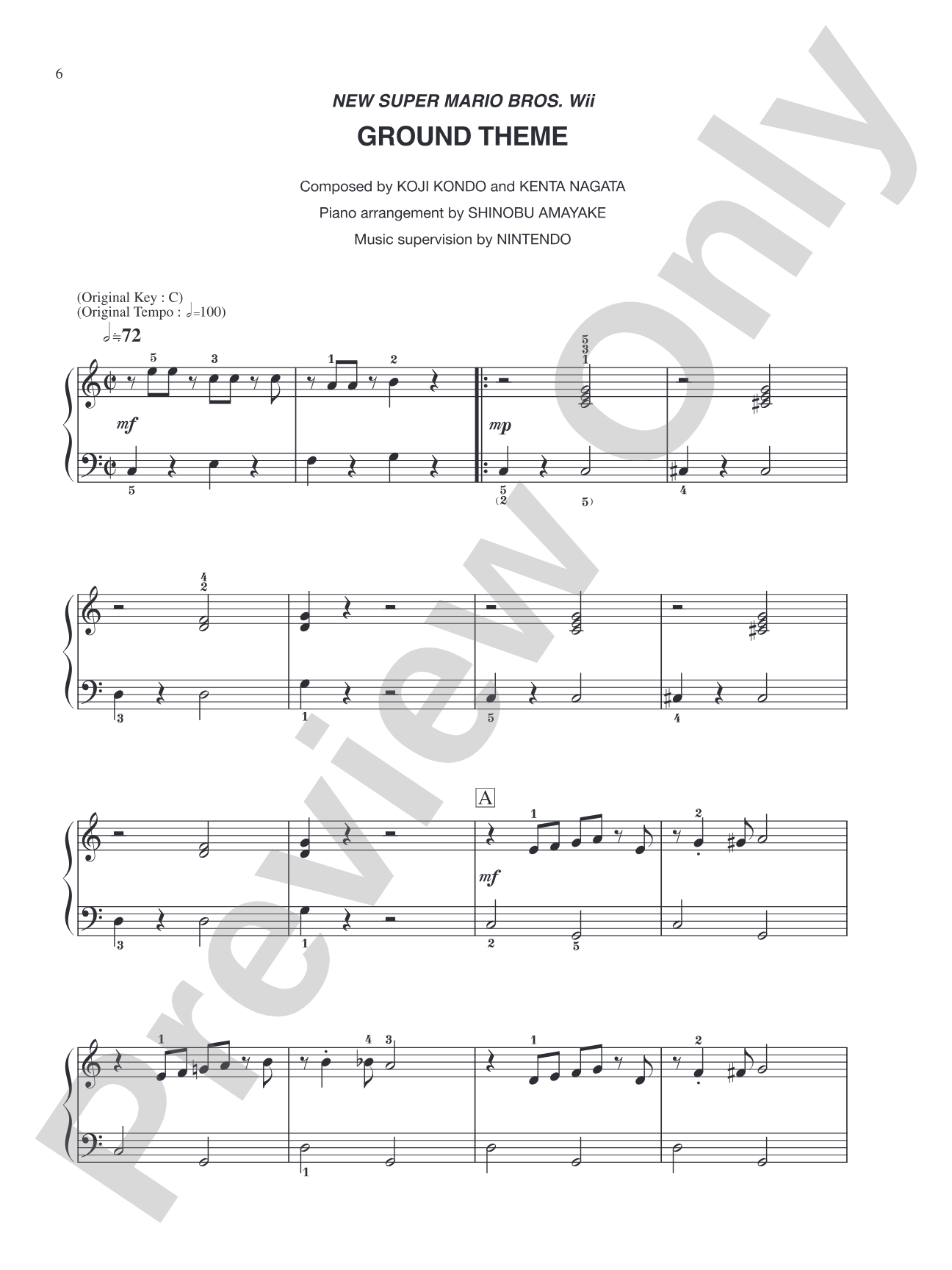

New Super Mario Bros. Wii Ground Theme: Easy Piano
Simplified Piano Solos
Composed by Koji Kondo, Shiho Fujii, Ryo Nagamatsu, and Kenta Nagata
Level: Easy Piano
Item: 00-PS-0015464
$4.99
One moment…
Related Items
New Super Mario Bros. Wii Title Theme: Piano |
$4.99
|
View | |
New Super Mario Bros. Wii Ground Theme: Piano |
$4.99
|
View | |
New Super Mario Bros. Wii Underwater Theme: Piano |
$4.99
|
View | |
New Super Mario Bros. Wii Desert Theme: Piano |
$4.99
|
View | |
New Super Mario Bros. Wii Underground Theme: Piano |
$4.99
|
View | |
New Super Mario Bros. Wii Castle Theme: Piano |
$4.99
|
View | |
New Super Mario Bros. Wii Airship Theme: Piano |
$4.99
|
View | |
New Super Mario Bros. Wii Koopa Battle 2: Piano |
$4.99
|
View | |
New Super Mario Bros. Wii Castle Boss Battle: Piano |
$4.99
|
View | |
New Super Mario Bros. Wii Toad House: Piano |
$4.99
|
View | |
New Super Mario Bros. Wii Enemy Course: Piano |
$4.99
|
View | |
New Super Mario Bros. Wii Invincible Theme: Piano |
$4.99
|
View | |
New Super Mario Bros. Wii Staff Credit Roll: Piano |
$4.99
|
View | |
New Super Mario Bros. Wii World 1 Map: Piano |
$4.99
|
View | |
New Super Mario Bros. Wii Player Down: Piano |
$4.99
|
View | |
New Super Mario Bros. Wii Game Over: Piano |
$4.99
|
View | |
New Super Mario Bros. Wii Ending Demo: Piano |
$4.99
|
View | |
New Super Mario Bros. Wii Title Theme: Easy Piano |
$4.99
|
View | |
New Super Mario Bros. Wii Underwater Theme: Easy Piano |
$4.99
|
View | |
New Super Mario Bros. Wii Desert Theme: Easy Piano |
$4.99
|
View | |
New Super Mario Bros. Wii Underground Theme: Easy Piano |
$4.99
|
View | |
New Super Mario Bros. Wii Castle Theme: Easy Piano |
$4.99
|
View | |
New Super Mario Bros. Wii Airship Theme: Easy Piano |
$4.99
|
View | |
New Super Mario Bros. Wii Koopa Battle 2: Easy Piano |
$4.99
|
View | |
New Super Mario Bros. Wii Castle Boss Battle: Easy Piano |
$4.99
|
View | |
New Super Mario Bros. Wii Toad House: Easy Piano |
$4.99
|
View | |
New Super Mario Bros. Wii Enemy Course: Easy Piano |
$4.99
|
View | |
New Super Mario Bros. Wii Invincible Theme: Easy Piano |
$4.99
|
View | |
New Super Mario Bros. Wii Staff Credit Roll: Easy Piano |
$4.99
|
View | |
New Super Mario Bros. Wii World 1 Map: Easy Piano |
$4.99
|
View | |
New Super Mario Bros. Wii Player Down: Easy Piano |
$4.99
|
View | |
New Super Mario Bros. Wii Game Over: Easy Piano |
$4.99
|
View | |
New Super Mario Bros. Wii Ending Demo: Easy Piano |
$4.99
|
View | |
New Super Mario Bros.™ Wii: Piano Book |
$16.99
|
View | |
New Super Mario Bros.™ Wii: Piano Book |
$16.99
|
View |
Description
The soundtrack to Nintendo's New Super Mario Bros.™ Wii is packed with melodic, syncopated themes that sound great on the piano! With this officially licensed sheet music collection, pianists can dazzle friends and family by playing 17 familiar themes from the beloved video game. The arrangements in this Easy Piano edition are moderately streamlined compared to those in the separately published Intermediate-Advanced edition, yet they retain a full and impressive sound. Titles: Title Theme * Ground Theme * Underground Theme * Underwater Theme * Desert Theme * Castle Theme * Airship Theme * Koopa Battle * Castle Boss Battle * Toad House * Enemy Course * Invincible Theme * Staff Credit Roll * World 1 Map * Player Down * Game Over * Ending Demo.


New Super Mario Bros. Wii Ground Theme: Easy Piano isn't in MakeMusic Cloud just yet...but it could be. Let us know you'd like to see it, and you'll help shape what comes next. In the meantime, start a free trial and dive into thousands of interactive titles your students can play along with today.
Request This Title
Tell us you want it.
Start Your Free Trial
Explore everything that's ready to play right now.
Sample Audio
No sample audio found.
Sample Video
No sample videos found.
Additional Details
Publisher:
Alfred Music
Page Count:
40
SKU:
00-PS-0015464
More about this title
About the Composer: Koji Kondo
Koji Kondo is a legendary video game composer whose work has shaped the sound of interactive entertainment for over four decades. His ability to craft memorable, playable melodies that work across multiple instrumental arrangements has made him essential listening for music educators introducing students to composition beyond the concert hall.
Why we love this
This collection bridges the gap between recreational playing and serious musicianship by presenting syncopated, rhythmically engaging material that students actually want to learn. The Easy Piano arrangements maintain melodic integrity and sonic fullness without overwhelming developing pianists, making this ideal for building confidence and sustaining practice motivation.
What to expect
Bright, energetic, and distinctly playful. These themes sparkle with the kind of memorable melodicism that lodges instantly in the ear, paired with rhythmic vitality that makes even simple arrangements feel alive and satisfying to perform.
Who it's for
Pianists in the elementary through early middle school range, or adult students returning to piano, who want to play recognizable, engaging material that reinforces rhythm reading and hand independence. Teachers seeking approachable repertoire that motivates practice through familiarity will find this collection invaluable for keeping students excited about daily work.
How to get the most out of it
- Keep the syncopated rhythms crisp and even. Resist the urge to rush syncopations; they're written to land on the beat deliberately, so lock in with a steady pulse.
- Balance melody and accompaniment carefully. Many of these themes have busy left-hand patterns; ensure the right hand sings above the harmonic texture without being buried.
- Bring out the character of each theme through tempo and tone color. The Underground Theme calls for mystery; the Castle Theme demands drama. Let the musical context guide your interpretation.
- Pedal conservatively in the easier arrangements. The moderately streamlined voicings benefit from selective pedal use rather than continuous depression.
How to use it
Feature this collection in student recitals celebrating video game music or modern popular culture; it generates immediate family engagement and validates the musical interests of younger pianists. You might also program one or two selections as a light concert opener or closer, or use individual themes as supplementary repertoire during a unit on syncopation or game sound design.
Skills your students will build
- Reading syncopated rhythms in treble clef
- Left-hand accompaniment patterns and hand independence
- Balancing melody and accompaniment textures
- Sustaining melodic line through harmonic movement
- Interpretation and character work based on musical context