
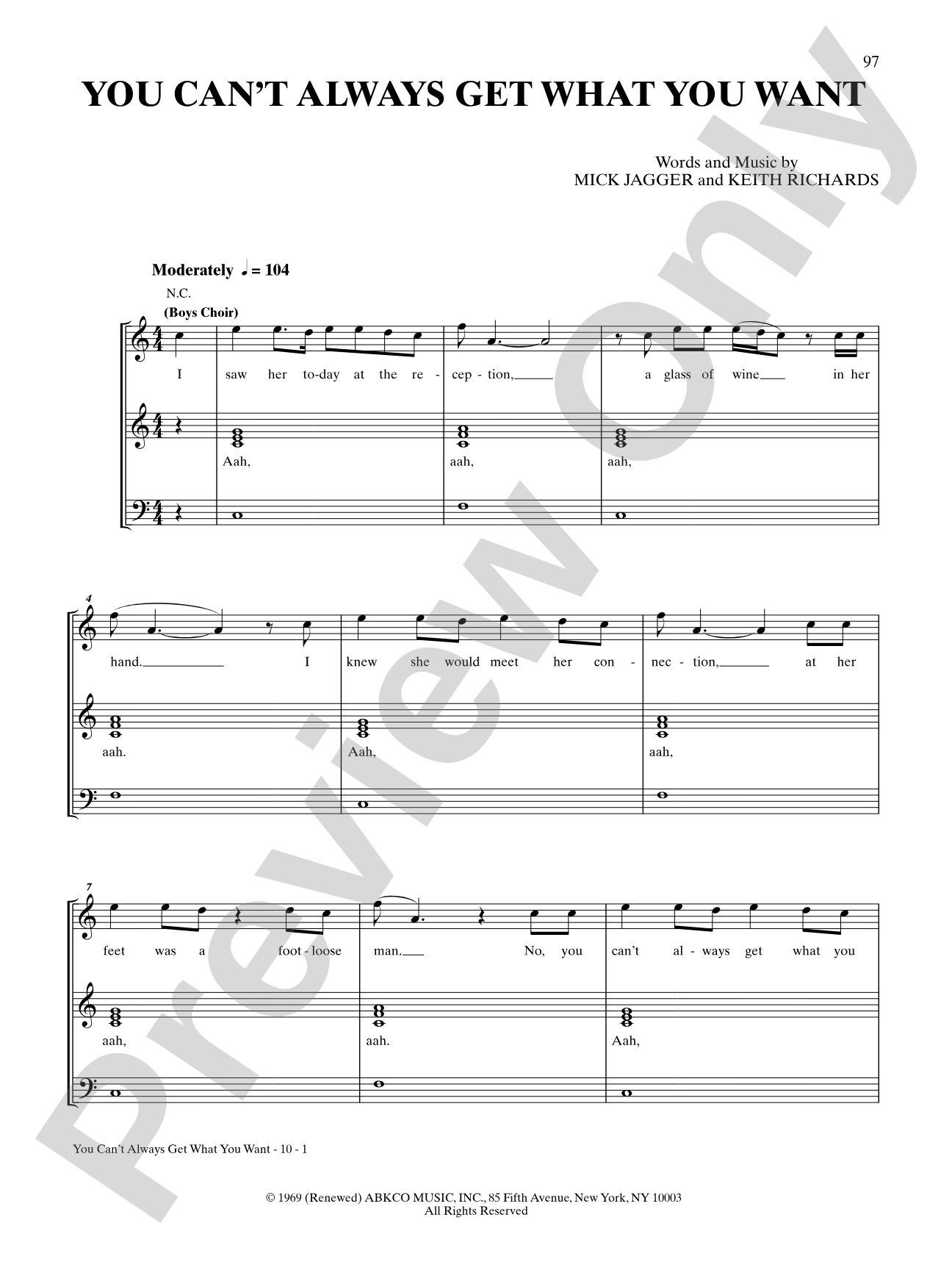
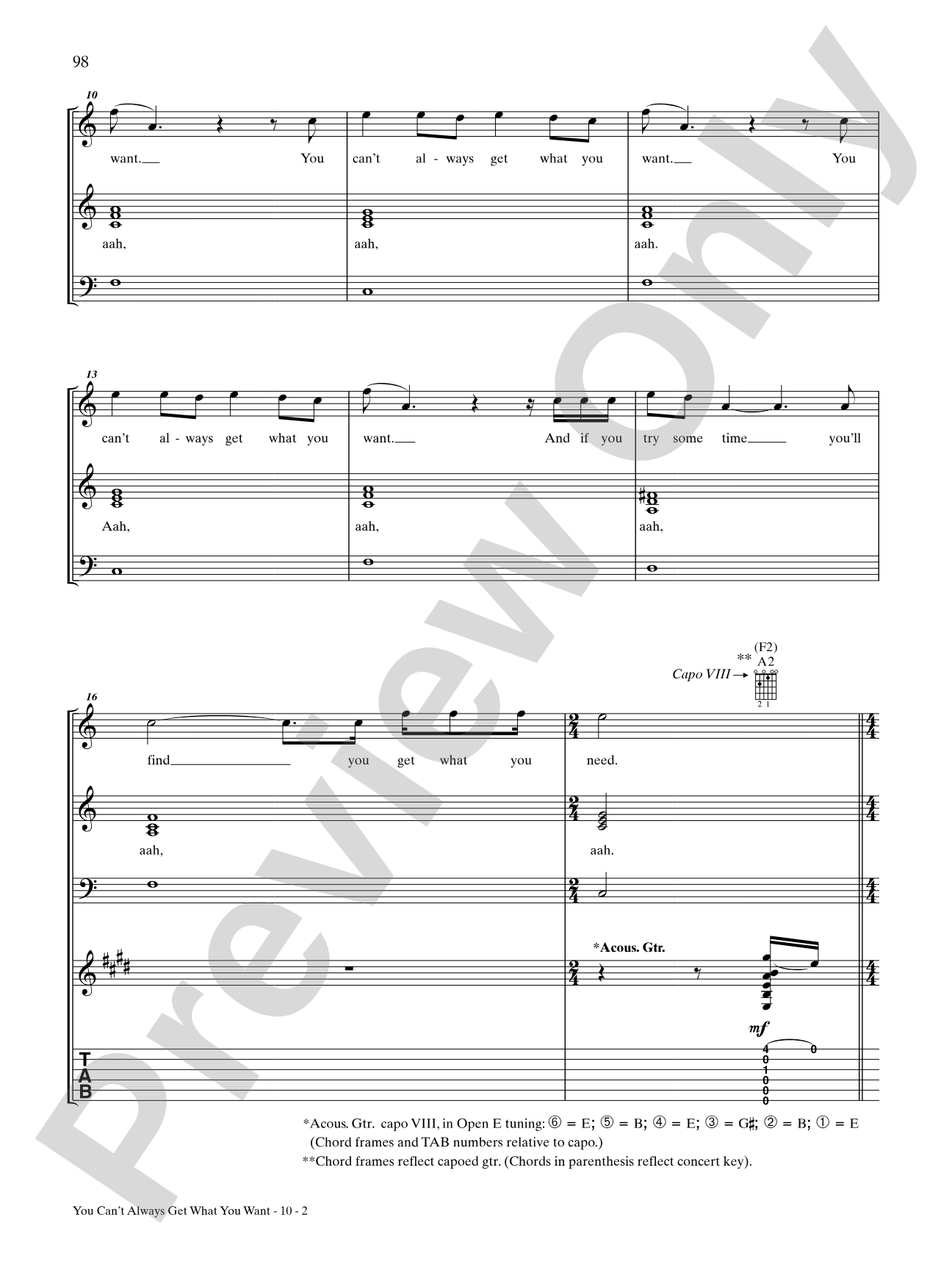

You Can't Always Get What You Want: Authentic Guitar TAB
The Rolling Stones
Item: 00-PS-0010215
$9.99
Pickup currently not available
Related Items
Heart of Stone: Authentic Guitar TAB |
$4.99
|
View | |
Paint It, Black: Bass TAB |
$4.99
|
View | |
(I Can't Get No) Satisfaction: Bass TAB |
$4.99
|
View | |
(I Can't Get No) Satisfaction: Authentic Guitar TAB |
$4.99
|
View | |
Street Fighting Man: Bass TAB |
$4.99
|
View | |
Get Off of My Cloud: Bass TAB |
$4.99
|
View | |
Get Off of My Cloud: Authentic Guitar TAB |
$4.99
|
View | |
Heart of Stone: Bass TAB |
$4.99
|
View | |
19th Nervous Breakdown: Bass TAB |
$4.99
|
View | |
19th Nervous Breakdown: Authentic Guitar TAB |
$5.99
|
View | |
Wild Horses: Bass TAB |
$4.99
|
View | |
Wild Horses: Authentic Guitar TAB |
$5.99
|
View | |
Time is on My Side: Bass TAB |
$4.99
|
View | |
Play With Fire: Bass TAB |
$4.99
|
View | |
Play With Fire: Authentic Guitar TAB |
$4.99
|
View | |
Mother's Little Helper: Authentic Guitar TAB |
$4.99
|
View | |
Mother's Little Helper: Bass TAB |
$4.99
|
View | |
Honky Tonk Women: Bass TAB |
$4.99
|
View | |
Honky Tonk Women: Authentic Guitar TAB |
$5.99
|
View | |
You Can't Always Get What You Want: Bass TAB |
$5.99
|
View | |
As Tears Go By: Authentic Guitar TAB |
$4.99
|
View | |
As Tears Go By: Bass TAB |
$4.99
|
View | |
Ruby Tuesday: Bass TAB |
$4.99
|
View | |
Ruby Tuesday: Authentic Guitar TAB |
$4.99
|
View | |
Sympathy for the Devil: Bass TAB |
$4.99
|
View | |
Brown Sugar: Bass TAB |
$4.99
|
View | |
Brown Sugar: Authentic Guitar TAB |
$5.99
|
View | |
Let's Spend the Night Together: Authentic Guitar TAB |
$4.99
|
View | |
Let's Spend the Night Together: Bass TAB |
$4.99
|
View | |
Midnight Rambler: Bass TAB |
$9.99
|
View | |
Midnight Rambler: Authentic Guitar TAB |
$9.99
|
View | |
Under My Thumb: Bass TAB |
$4.99
|
View | |
Gimme Shelter: Bass TAB |
$4.99
|
View | |
Gimme Shelter: Authentic Guitar TAB |
$5.99
|
View | |
Jumpin' Jack Flash: Authentic Guitar TAB |
$5.99
|
View | |
Jumpin' Jack Flash: Bass TAB |
$4.99
|
View | |
Street Fighting Man: Authentic Guitar TAB |
$4.99
|
View | |
Sympathy for the Devil: Authentic Guitar TAB |
$5.99
|
View | |
Paint It, Black: Authentic Guitar TAB |
$4.99
|
View | |
Under My Thumb: Authentic Guitar TAB |
$4.99
|
View | |
Time Is On My Side: Authentic Guitar TAB |
$4.99
|
View | |
The Rolling Stones: Hot Rocks 1964-1971: Authentic Bass TAB Book |
$19.95
|
View | |
The Rolling Stones: Hot Rocks 1964-1971: Authentic Guitar TAB Book |
$24.99
|
View |
Description
Hot Rocks, released almost four decades ago, remains the most significant Rolling Stones compilation ever. It is The Rolling Stones' biggest-selling album---more than 12 million copies! This book features all 21 tracks from this landmark recording--fully transcribed for guitar! Hot Rocks' traces the development of the songwriting team of Jagger and Richards. The album begins with the early cover recording of "Time Is on My Side" and then proceeds chronologically through most of the band's biggest hits from its first decade. Titles: 19th Nervous Breakdown * As Tears Go By * Brown Sugar * Get Off of My Cloud * Gimme Shelter * Heart of Stone * Honky Tonk Women * (I Can't Get No) Satisfaction * Jumpin' Jack Flash * Let's Spend the Night Together * Midnight Rambler * Mother's Little Helper * Paint It, Black * Play With Fire * Ruby Tuesday * Street Fighting Man * Sympathy For The Devil * Time Is On My Side * Under My Thumb * Wild Horses * You Can't Always Get What You Want.


Discover MakeMusic Cloud: thousands of interactive titles your students can play along with today.
Sample Audio
No sample audio found.
Sample Video
No sample videos found.
Additional Details
Series:
Alfred's Classic Album Editions
Publisher:
Alfred Music
Page Count:
136
SKU:
00-PS-0010215
More about this title
About the Composer: Mick Jagger
Mick Jagger stands as one of rock music's most influential frontmen and songwriters. As the primary lyricist and vocalist of The Rolling Stones since 1962, he shaped the sound and attitude of rock and roll across five decades, collaborating most notably with guitarist Keith Richards to create some of the genre's most enduring compositions.
Jagger's songwriting gifts extend beyond melody into social observation and raw emotional honesty. Songs like "Sympathy for the Devil," "Street Fighting Man," and "You Can't Always Get What You Want" demonstrate his ability to craft lyrics that balance storytelling with cultural commentary, making them rewarding subjects for musicians studying how rock composition works at its highest level.
Why we love this
This collection captures the creative arc of two of rock's greatest songwriters during their most prolific period. The transcriptions preserve the signature guitar work across 21 iconic tracks, from the blues-based rawness of early covers to the sophisticated arrangements of later hits, giving guitarists direct access to the exact voicings and techniques that defined a generation of rock music.
What to expect
Working through this collection is a masterclass in rock guitar language. Each track reveals different technical and creative approaches: the blues-inflected bends and slides of "Time Is on My Side," the interlocking rhythms of the greatest hits, the textural experiments of deeper cuts. You'll feel the band's evolution unfold across your fretboard.
Who it's for
Intermediate to advanced guitarists who want to understand how The Rolling Stones built their sound through the 1960s and early 1970s. This book serves both students seeking to deepen their knowledge of rock guitar vocabulary and performers preparing these classics for recital or ensemble contexts.
How to get the most out of it
- Study the original recordings alongside the TAB. Hearing Mick Taylor's and Keith Richards' tone choices illuminates nuances of attack, sustain, and expression that notation alone cannot capture.
- Pay close attention to the rhythm guitar patterns, especially on tracks like "Honky Tonk Women" and "Brown Sugar." The syncopation between lead and rhythm parts is essential to nailing the pocket these songs demand.
- Work through the open tunings and alternate tunings used across the album. Songs like "Sympathy for the Devil" and "Paint It, Black" rely on specific tuning choices that dramatically affect tone and playability.
- Prioritize the groove over technical perfection early in your learning. These songs live in their rhythmic feel; lock in the timing before obsessing over note-for-note accuracy.
How to use it
Program individual tracks from this collection alongside other rock repertoire in recitals, or use them as core material in a rock history unit that explores how songwriting and arrangement techniques developed across a decade. Guitarists can also study complete songs as capstone projects that integrate rhythm playing, lead work, and interpretation skills.
Skills your students will build
- Blues-based lead phrasing and bending techniques
- Open and alternate tuning systems
- Syncopated rhythm guitar patterns and groove locking
- Chord voicing choices and how they shape tone
- Transcription listening skills and arrangement analysis
- Dynamic control between rhythm and lead passages