
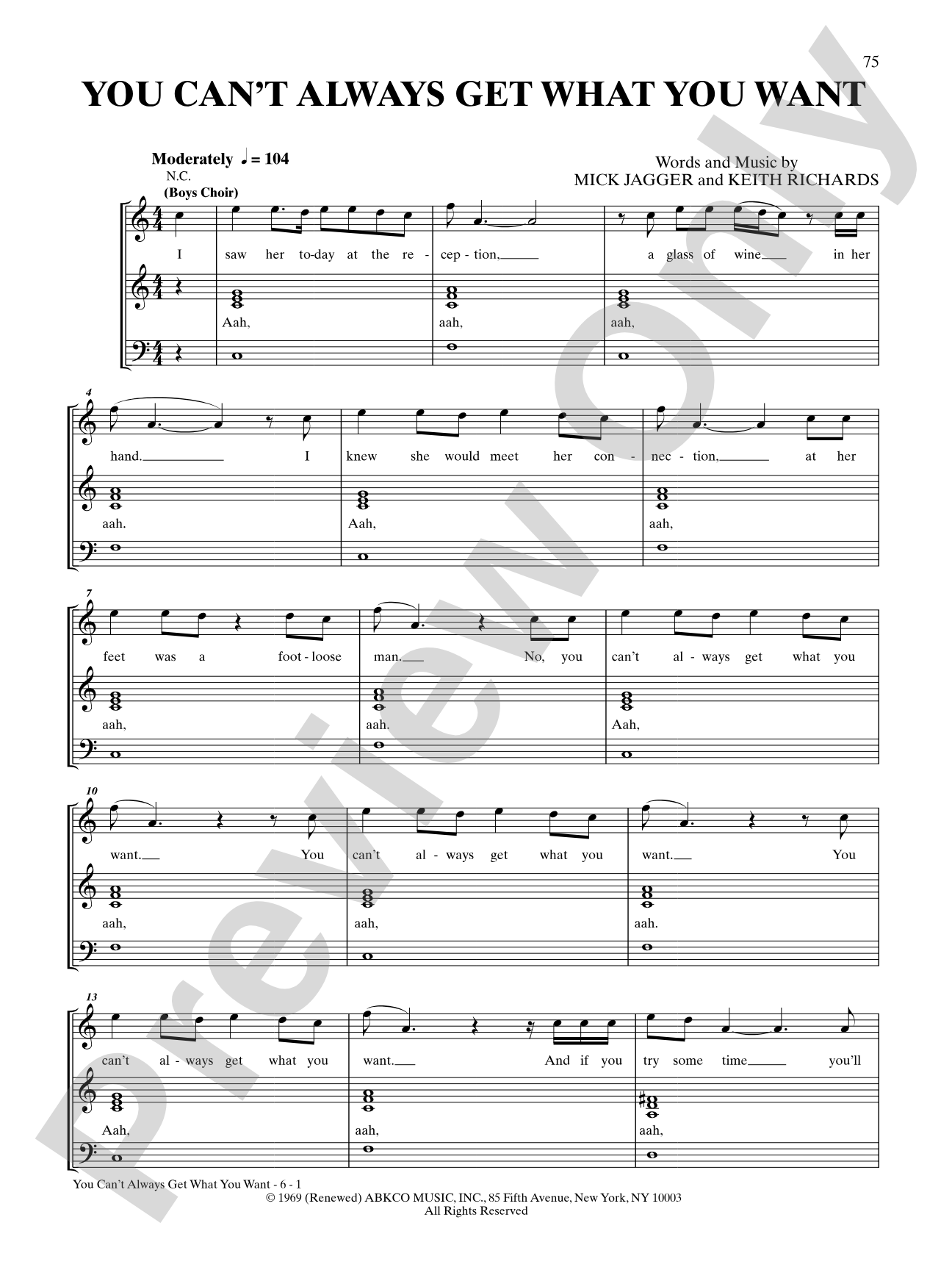
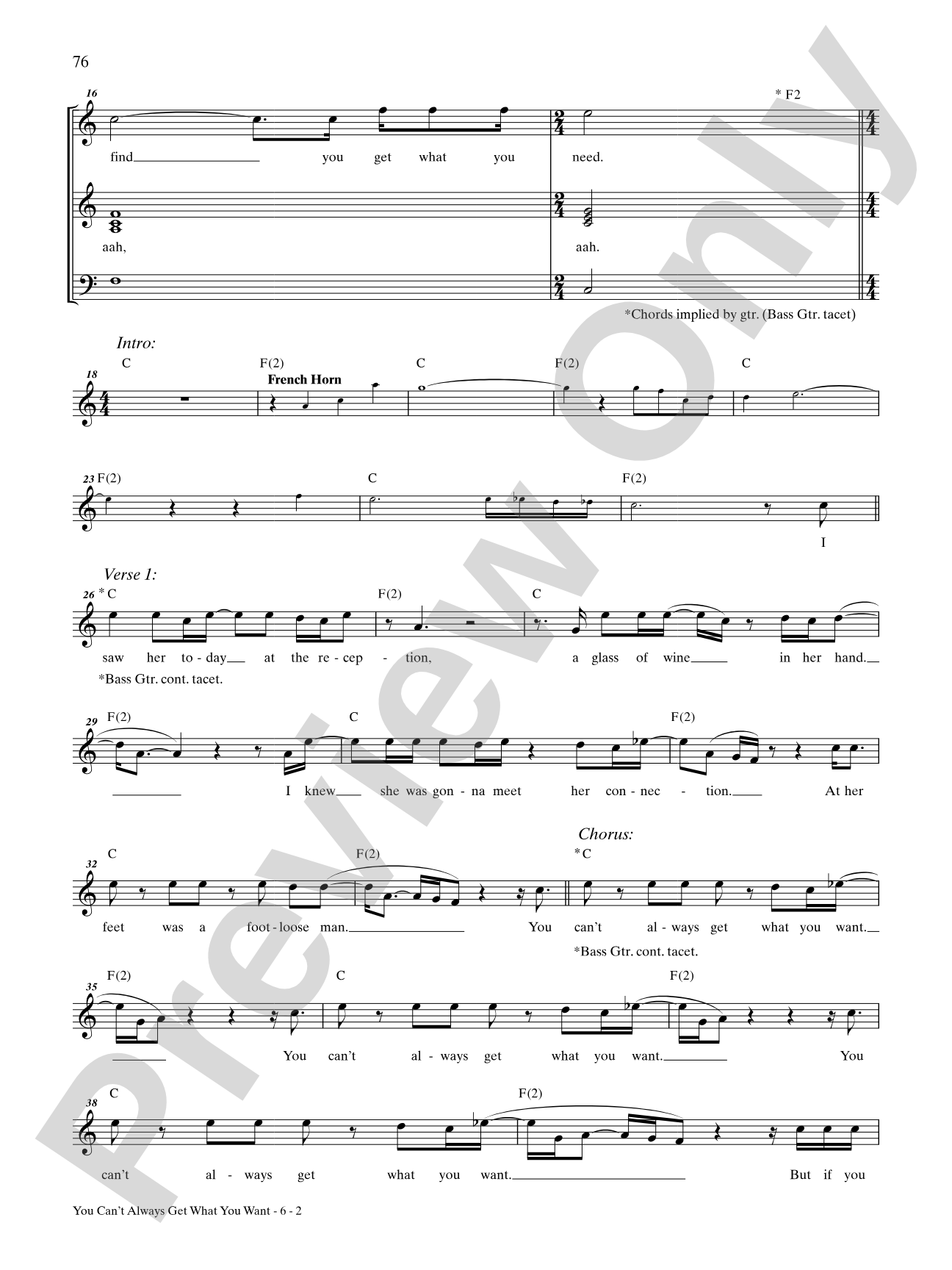

You Can't Always Get What You Want: Bass TAB
The Rolling Stones
Item: 00-PS-0010214
$5.99
Pickup currently not available
Related Items
Heart of Stone: Authentic Guitar TAB |
$4.99
|
View | |
Paint It, Black: Bass TAB |
$4.99
|
View | |
(I Can't Get No) Satisfaction: Bass TAB |
$4.99
|
View | |
(I Can't Get No) Satisfaction: Authentic Guitar TAB |
$4.99
|
View | |
Street Fighting Man: Bass TAB |
$4.99
|
View | |
Get Off of My Cloud: Bass TAB |
$4.99
|
View | |
Get Off of My Cloud: Authentic Guitar TAB |
$4.99
|
View | |
Heart of Stone: Bass TAB |
$4.99
|
View | |
19th Nervous Breakdown: Bass TAB |
$4.99
|
View | |
19th Nervous Breakdown: Authentic Guitar TAB |
$5.99
|
View | |
Wild Horses: Bass TAB |
$4.99
|
View | |
Wild Horses: Authentic Guitar TAB |
$5.99
|
View | |
Time is on My Side: Bass TAB |
$4.99
|
View | |
Play With Fire: Bass TAB |
$4.99
|
View | |
Play With Fire: Authentic Guitar TAB |
$4.99
|
View | |
Mother's Little Helper: Authentic Guitar TAB |
$4.99
|
View | |
Mother's Little Helper: Bass TAB |
$4.99
|
View | |
Honky Tonk Women: Bass TAB |
$4.99
|
View | |
Honky Tonk Women: Authentic Guitar TAB |
$5.99
|
View | |
You Can't Always Get What You Want: Authentic Guitar TAB |
$9.99
|
View | |
As Tears Go By: Authentic Guitar TAB |
$4.99
|
View | |
As Tears Go By: Bass TAB |
$4.99
|
View | |
Ruby Tuesday: Bass TAB |
$4.99
|
View | |
Ruby Tuesday: Authentic Guitar TAB |
$4.99
|
View | |
Sympathy for the Devil: Bass TAB |
$4.99
|
View | |
Brown Sugar: Bass TAB |
$4.99
|
View | |
Brown Sugar: Authentic Guitar TAB |
$5.99
|
View | |
Let's Spend the Night Together: Authentic Guitar TAB |
$4.99
|
View | |
Let's Spend the Night Together: Bass TAB |
$4.99
|
View | |
Midnight Rambler: Bass TAB |
$9.99
|
View | |
Midnight Rambler: Authentic Guitar TAB |
$9.99
|
View | |
Under My Thumb: Bass TAB |
$4.99
|
View | |
Gimme Shelter: Bass TAB |
$4.99
|
View | |
Gimme Shelter: Authentic Guitar TAB |
$5.99
|
View | |
Jumpin' Jack Flash: Authentic Guitar TAB |
$5.99
|
View | |
Jumpin' Jack Flash: Bass TAB |
$4.99
|
View | |
Street Fighting Man: Authentic Guitar TAB |
$4.99
|
View | |
Sympathy for the Devil: Authentic Guitar TAB |
$5.99
|
View | |
Paint It, Black: Authentic Guitar TAB |
$4.99
|
View | |
Under My Thumb: Authentic Guitar TAB |
$4.99
|
View | |
Time Is On My Side: Authentic Guitar TAB |
$4.99
|
View | |
The Rolling Stones: Hot Rocks 1964-1971: Authentic Bass TAB Book |
$19.95
|
View | |
The Rolling Stones: Hot Rocks 1964-1971: Authentic Guitar TAB Book |
$24.99
|
View |
Description
Hot Rocks was the first, and, four decades later, remains the most significant Rolling Stones compilation ever released. It is The Rolling Stones' biggest-selling album---more than 12 million copies! This book features all 21 tracks from this landmark recording--fully transcribed for bass! Hot Rocks' traces the development of the songwriting team of Jagger and Richards. The album begins with the early cover recording of "Time Is on My Side" and then proceeds chronologically through most of the band's biggest hits from its first decade. Titles: 19th Nervous Breakdown * As Tears Go By * Brown Sugar * Get Off of My Cloud * Gimme Shelter * Heart of Stone * Honky Tonk Women * (I Can't Get No) Satisfaction * Jumpin' Jack Flash * Let's Spend the Night Together * Midnight Rambler * Mother's Little Helper * Paint It, Black * Play With Fire * Ruby Tuesday * Street Fighting Man * Sympathy For The Devil * Time Is On My Side * Under My Thumb * Wild Horses * You Can't Always Get What You Want.


Discover MakeMusic Cloud: thousands of interactive titles your students can play along with today.
Sample Audio
No sample audio found.
Sample Video
No sample videos found.
Additional Details
Series:
Alfred's Classic Album Editions
Publisher:
Alfred Music
Page Count:
88
SKU:
00-PS-0010214
More about this title
About the Composer: Mick Jagger
Mick Jagger stands as one of rock music's most distinctive vocalists and songwriters, fronting The Rolling Stones since their formation in 1962. Working alongside Keith Richards, Jagger developed a songwriting partnership that became central to rock music's evolution, crafting songs that balanced blues-rooted storytelling with pop accessibility and cultural edge.
For bass players, Jagger's compositions reveal intricate rhythmic structures and dynamic song forms that demand precise timekeeping and expressive note choices. His work across four decades shaped how bass functions in rock bands, moving from straightforward groove support to compositional prominence within the band's sound.
Why we love this
These transcriptions capture the bass lines that defined classic rock, offering players direct access to the grooves that made The Rolling Stones unstoppable. Working through Hot Rocks chronologically shows how bass playing itself evolved over the band's first decade, making this both a technical challenge and a masterclass in rock bass history.
What to expect
Raw, purposeful, and deceptively sophisticated. These bass lines drive songs forward without drawing attention to themselves, yet they're the foundation every groove rests on. You'll feel the shift from straightforward support in the early tracks to increasingly inventive counterpoint as the album progresses.
Who it's for
Bass players ready to tackle authentic rock grooves with real harmonic and rhythmic complexity. This collection works for intermediate to advanced players who want to understand how classic rock bass lines actually function within full arrangements.
How to get the most out of it
- Study the original recordings while learning each line. Bill Wyman's approach to pocket and phrasing shifts noticeably across the timeline, and hearing those choices will inform your interpretation far more than tabs alone.
- Lock the root movement first, then layer in the passing tones and chromatic approaches. Many of these songs use deceptively simple harmonic foundations with rhythmic complexity layered on top.
- Pay attention to muting and articulation. The dynamic range between verses and choruses depends on how cleanly you separate notes, not just on volume.
- Treat the shuffle and swing feels with care, particularly in "Jumpin' Jack Flash" and "Midnight Rambler." The written tab doesn't always capture the rhythmic push that lives in the performance.
How to use it
Use individual songs for recital preparation, ensemble performances, or focused bass repertoire study. Players preparing for auditions benefit from the stylistic breadth here; directors building rock or cover-band programs find complete, accurate transcriptions of songs audiences already love.
Skills your students will build
- Reading and executing authentic bass TAB notation
- Playing shuffle, swing, and straight-eighth grooves in rock contexts
- Understanding root position, inversions, and passing tones within chord changes
- Developing dynamic control and articulation clarity in rock pocket playing
- Recognizing compositional evolution across a decade of songwriting