
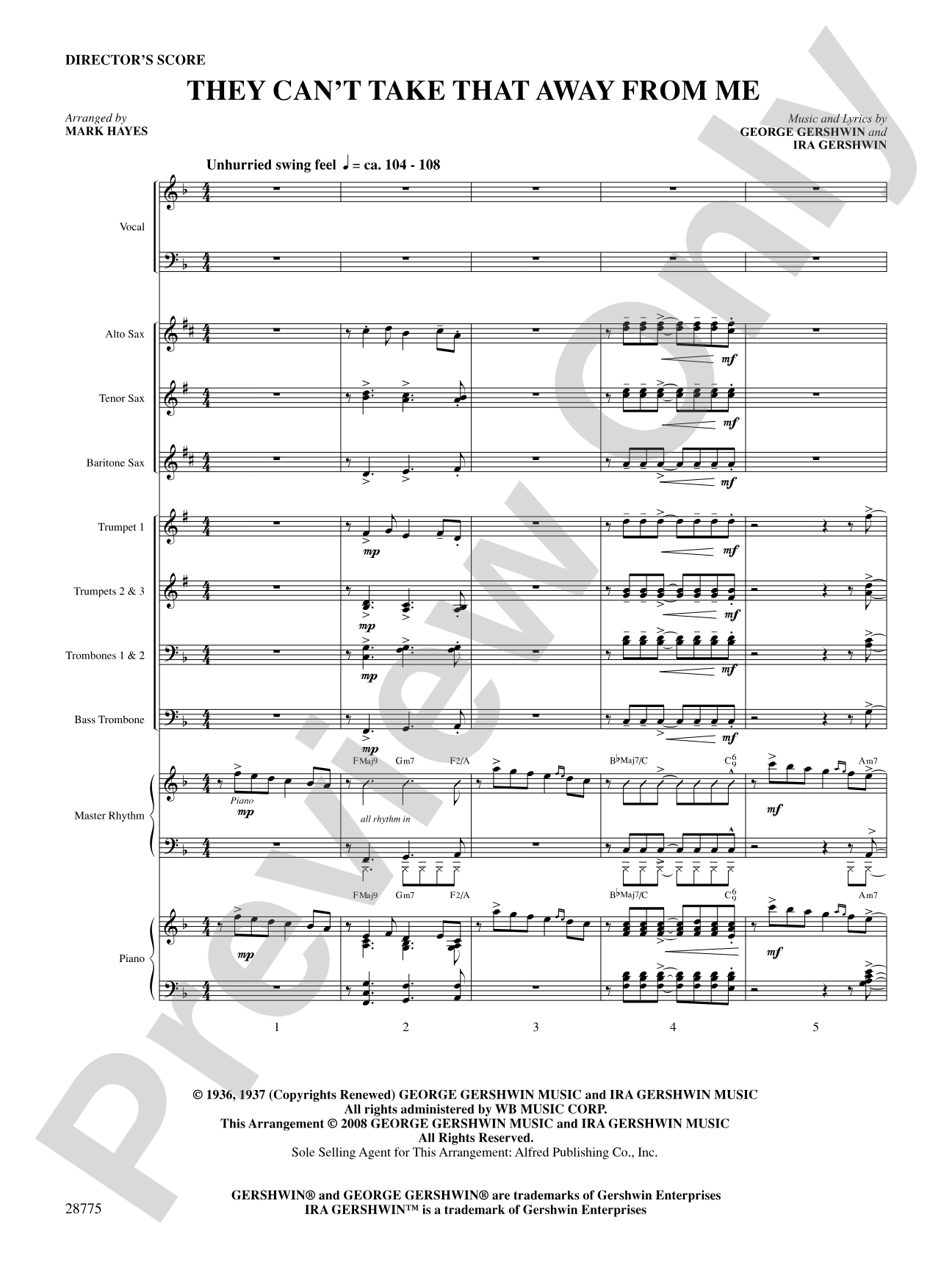
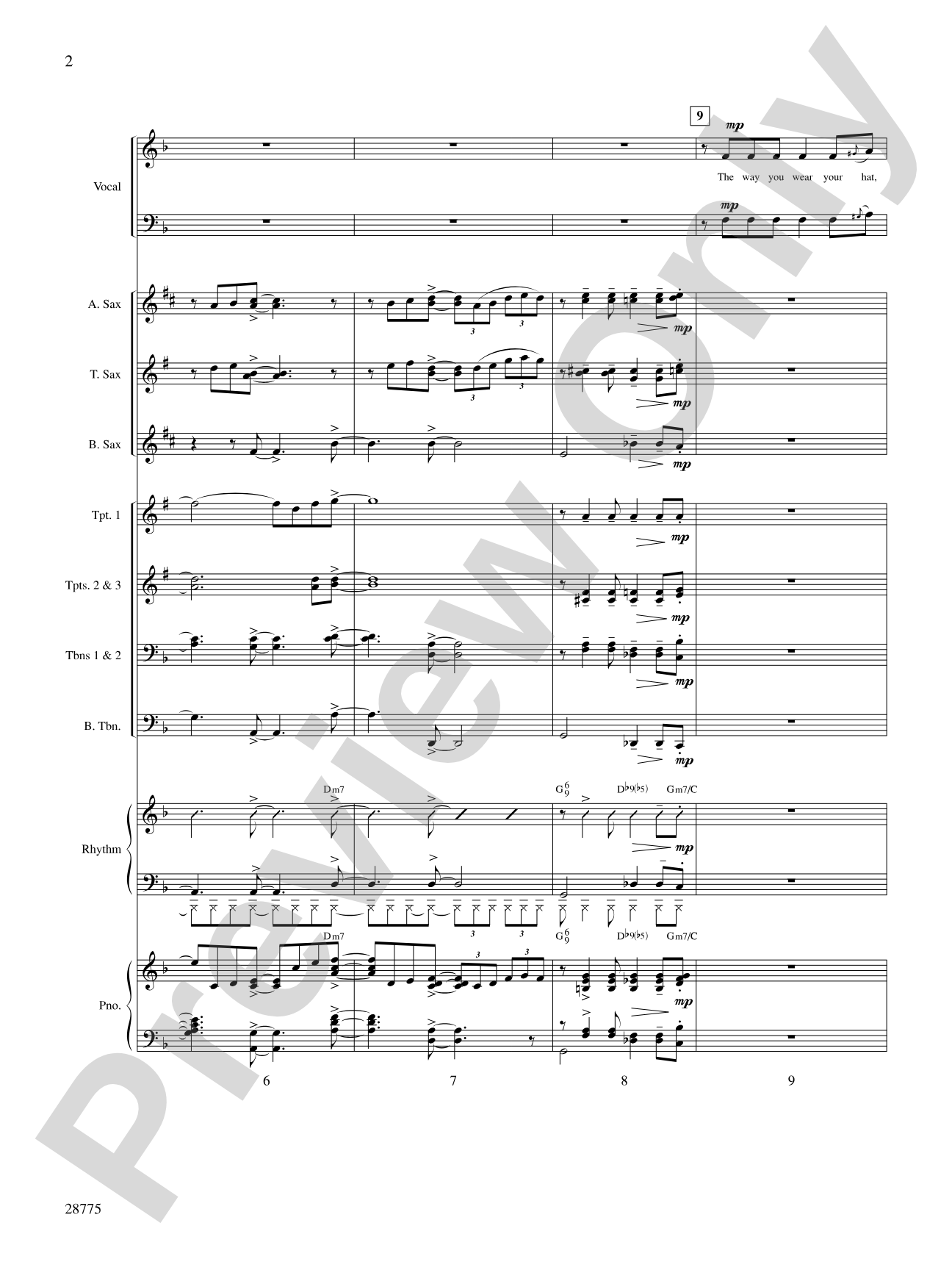
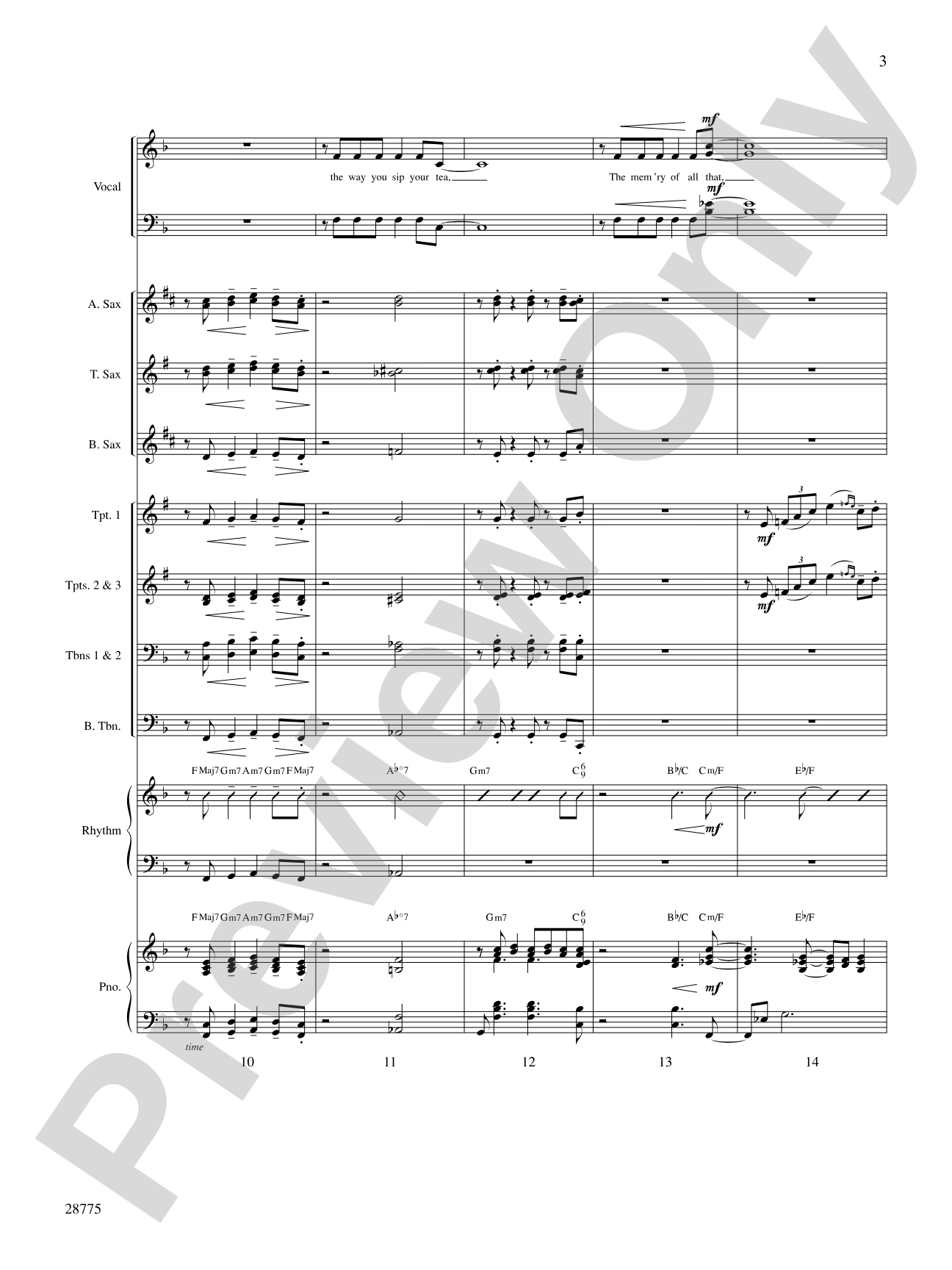
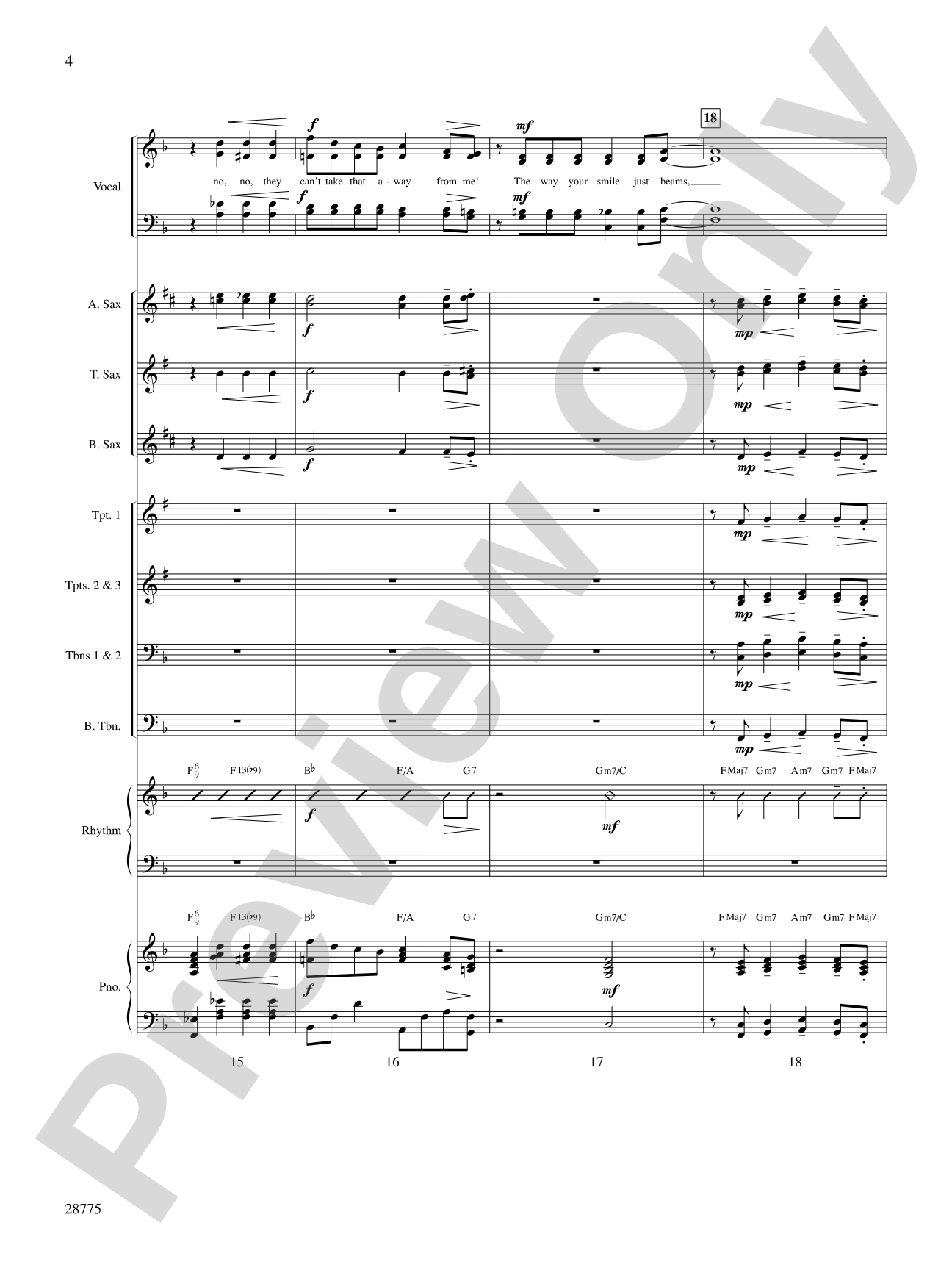

They Can't Take That Away from Me: Choral SoundPax
Music and lyrics by George Gershwin and Ira Gershwin / arr. Mark Hayes
Item: 00-PK-0001366

$45.00
One moment…
Related Items
They Can't Take That Away from Me: SoundTrax Digital Audio Download |
$27.99
|
View | |
They Can't Take That Away from Me: SATB Choral Octavo |
$2.10
|
View | |
They Can't Take That Away from Me: SAB Choral Octavo |
$2.25
|
View | |
They Can't Take That Away from Me: SSAA Choral Octavo |
$2.10
|
View | |
They Can't Take That Away from Me: TTBB Choral Octavo |
$2.10
|
View | |
They Can't Take That Away from Me: SATB Choral Octavo |
$2.10
|
View | |
They Can't Take That Away from Me: SAB Choral Octavo |
$2.25
|
View | |
They Can't Take That Away from Me: SSAA Choral Octavo |
$2.10
|
View | |
They Can't Take That Away from Me: TTBB Choral Octavo |
$2.10
|
View | |
They Can't Take That Away from Me: Choral Octavo SoundTrax CD |
$27.99
|
View | |
They Can't Take That Away from Me: Choral SoundPax |
$45.00
|
View |
Description
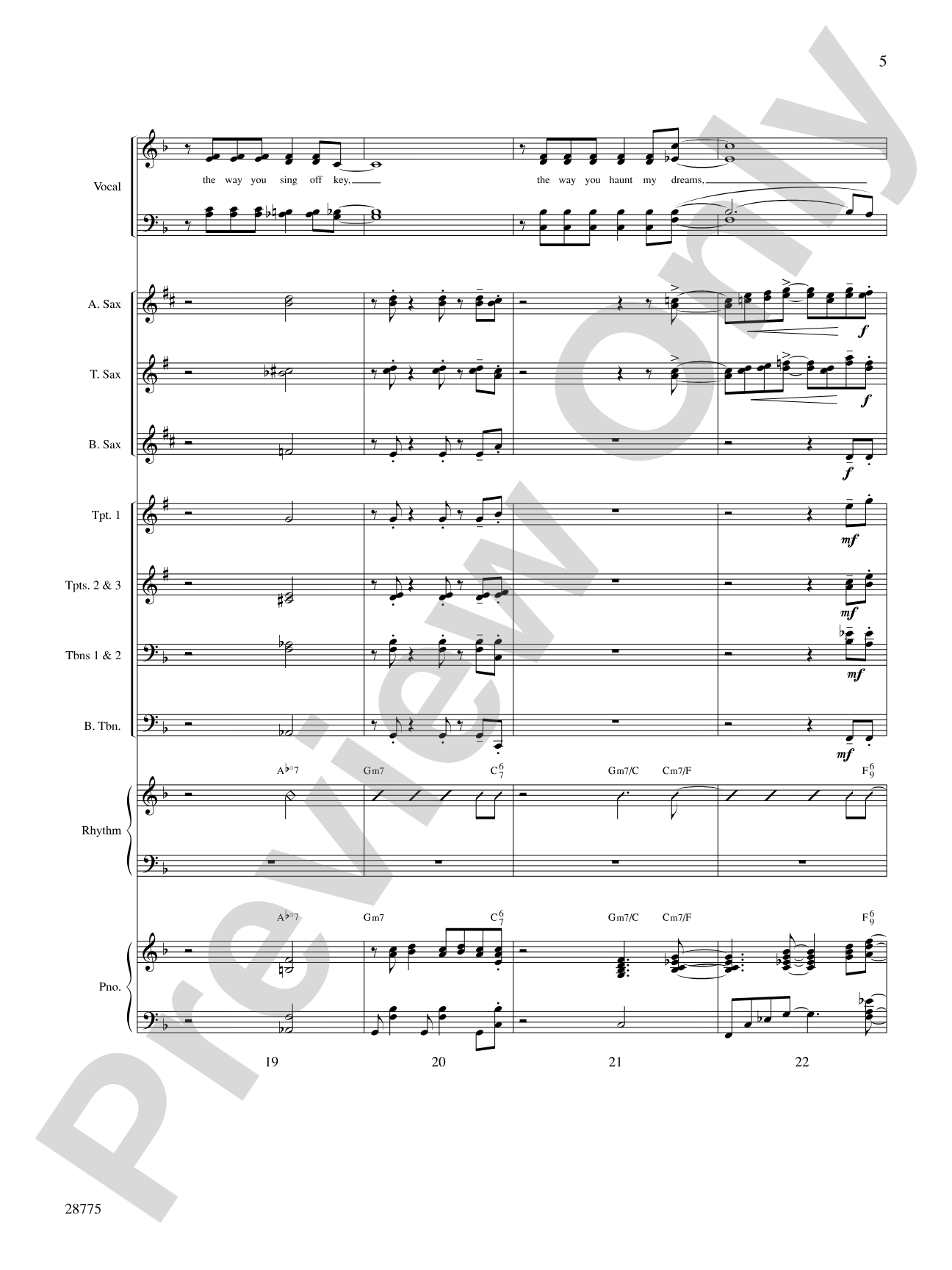
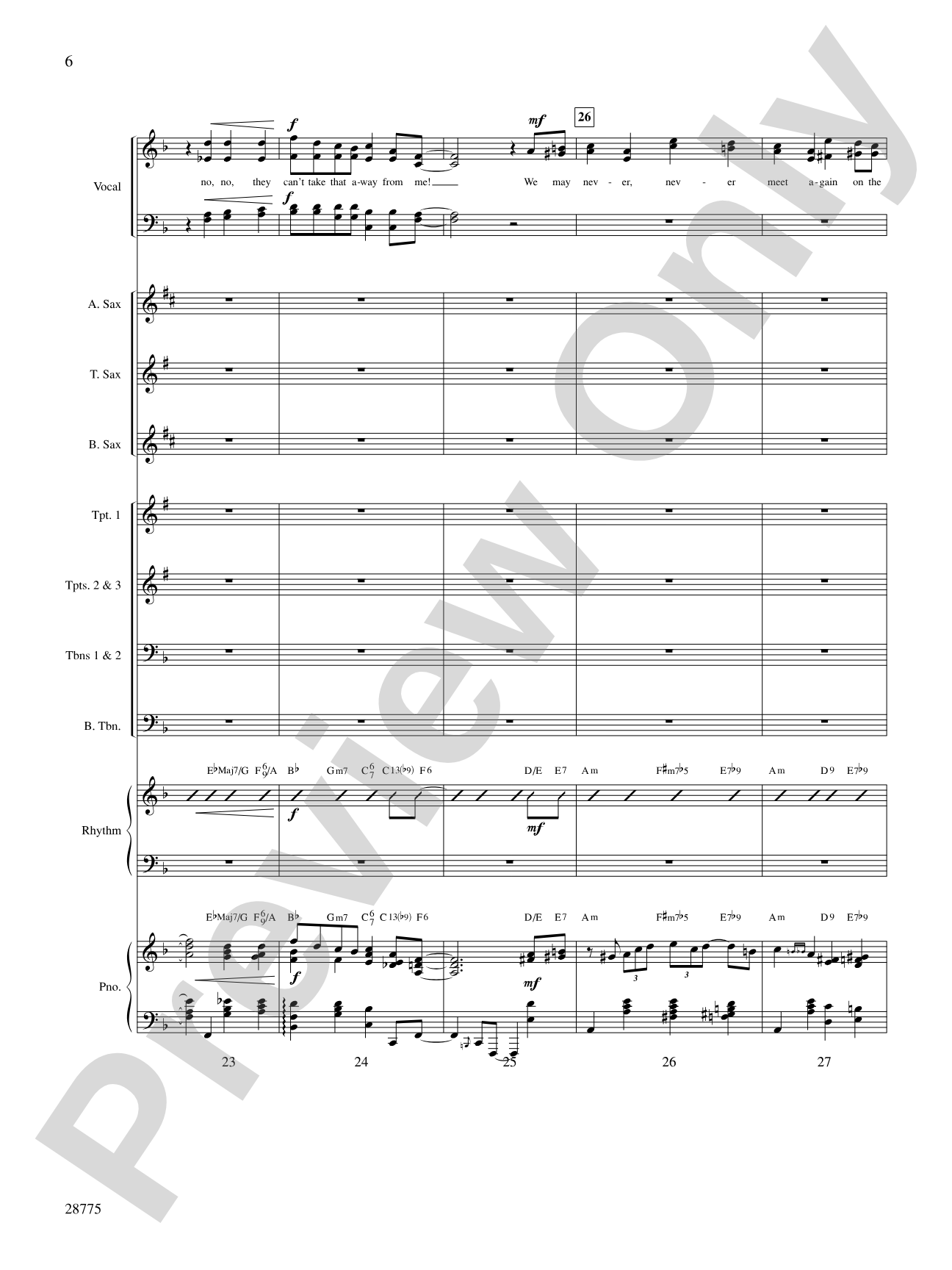
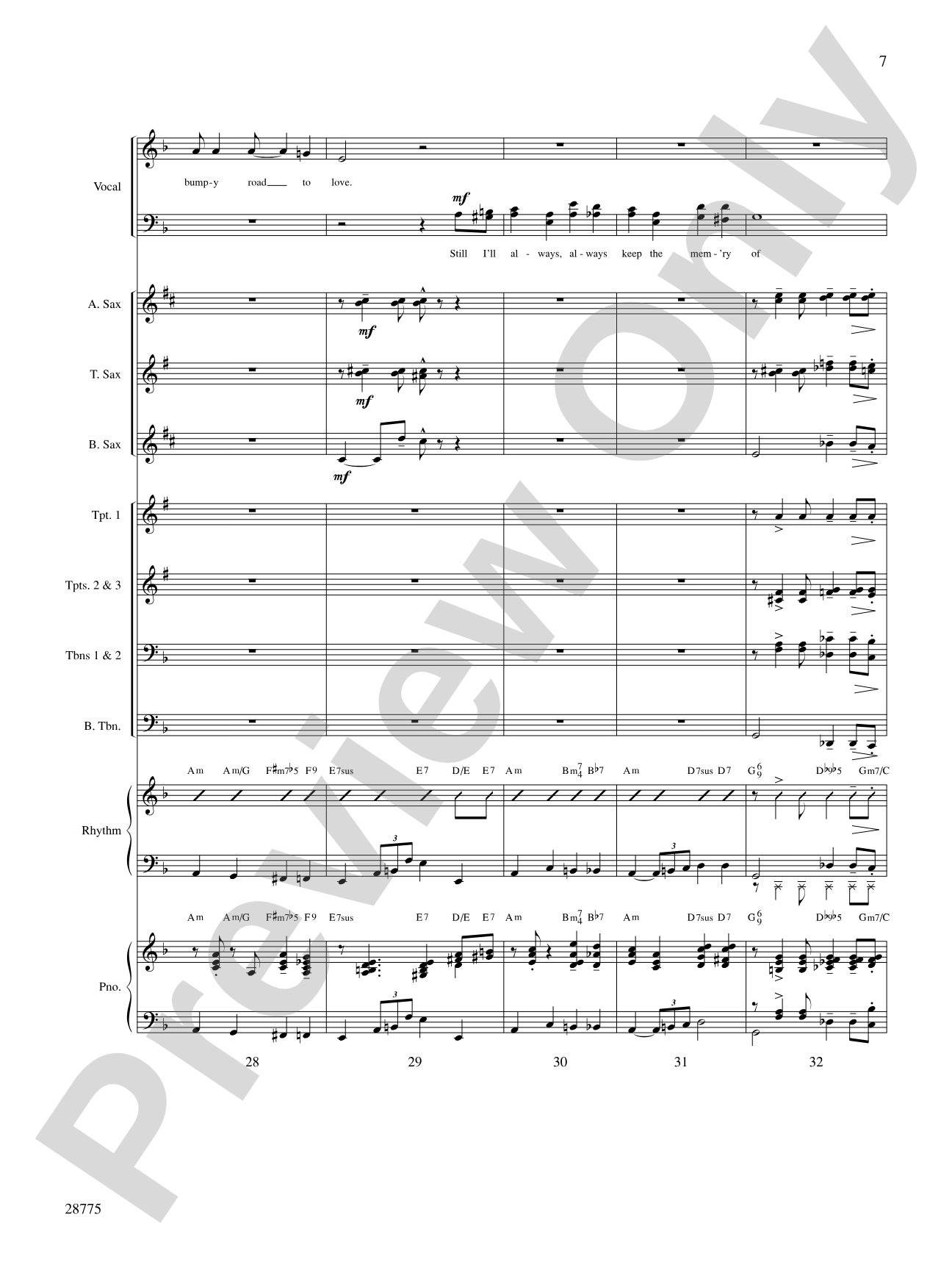
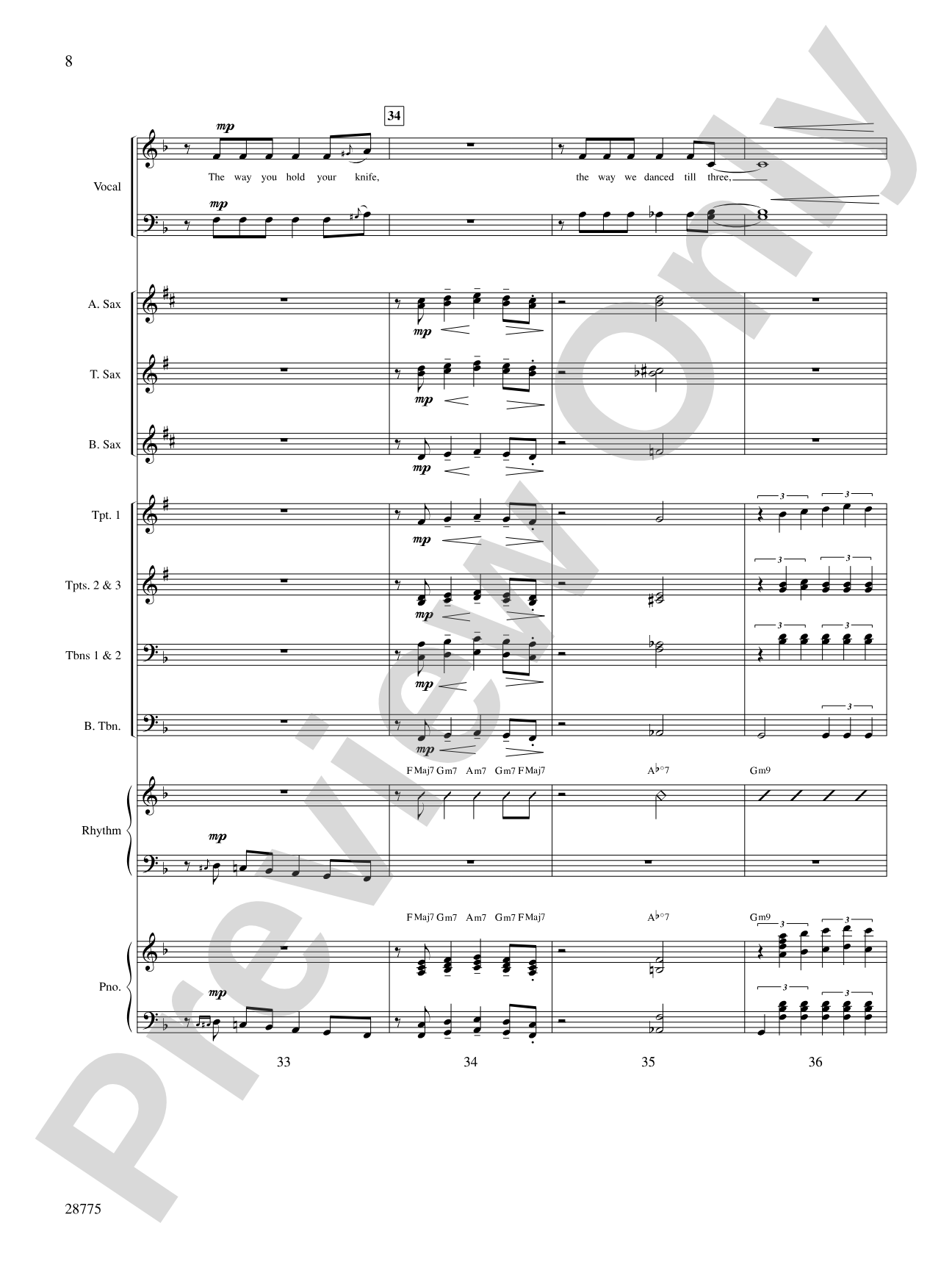
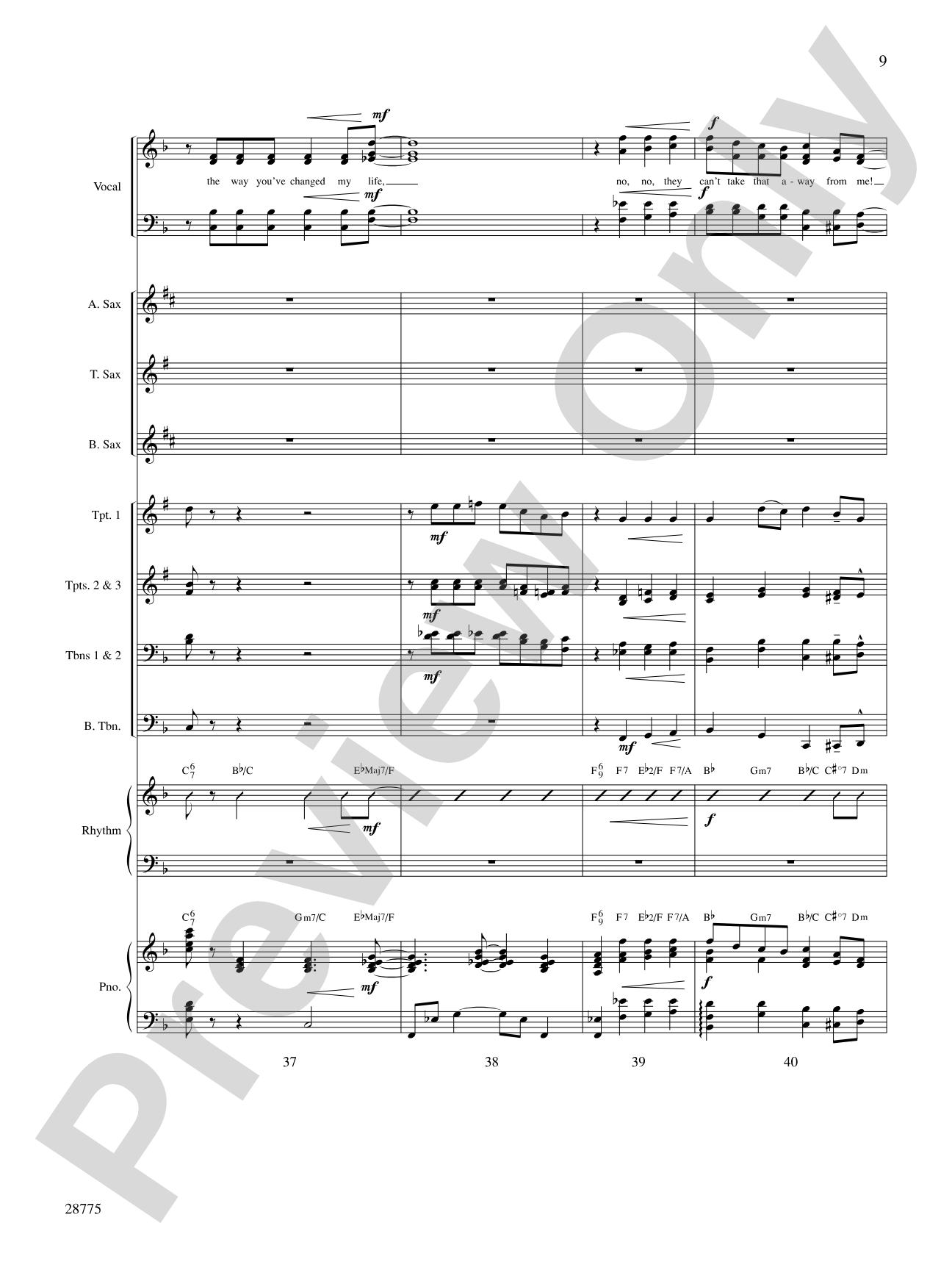
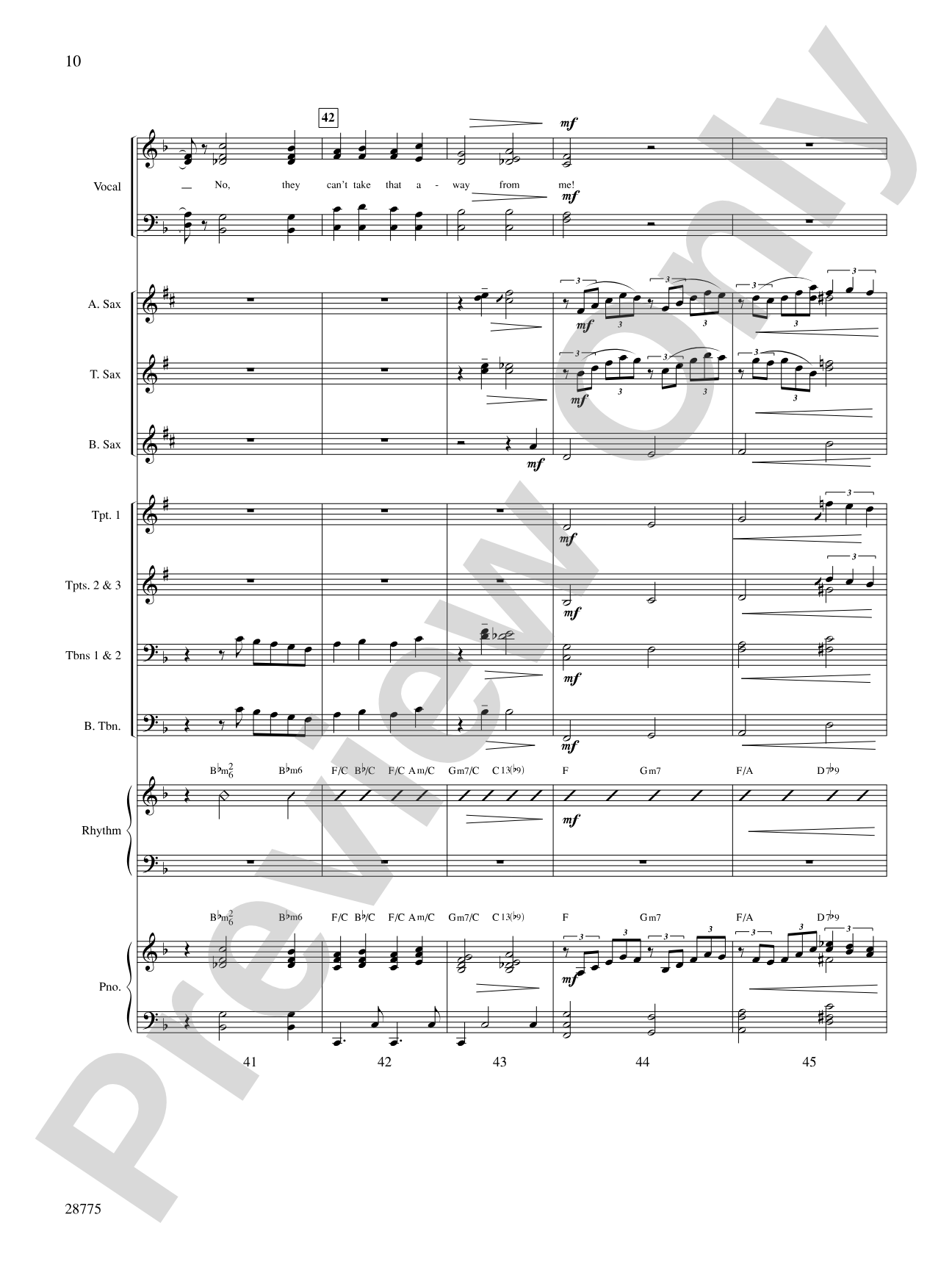
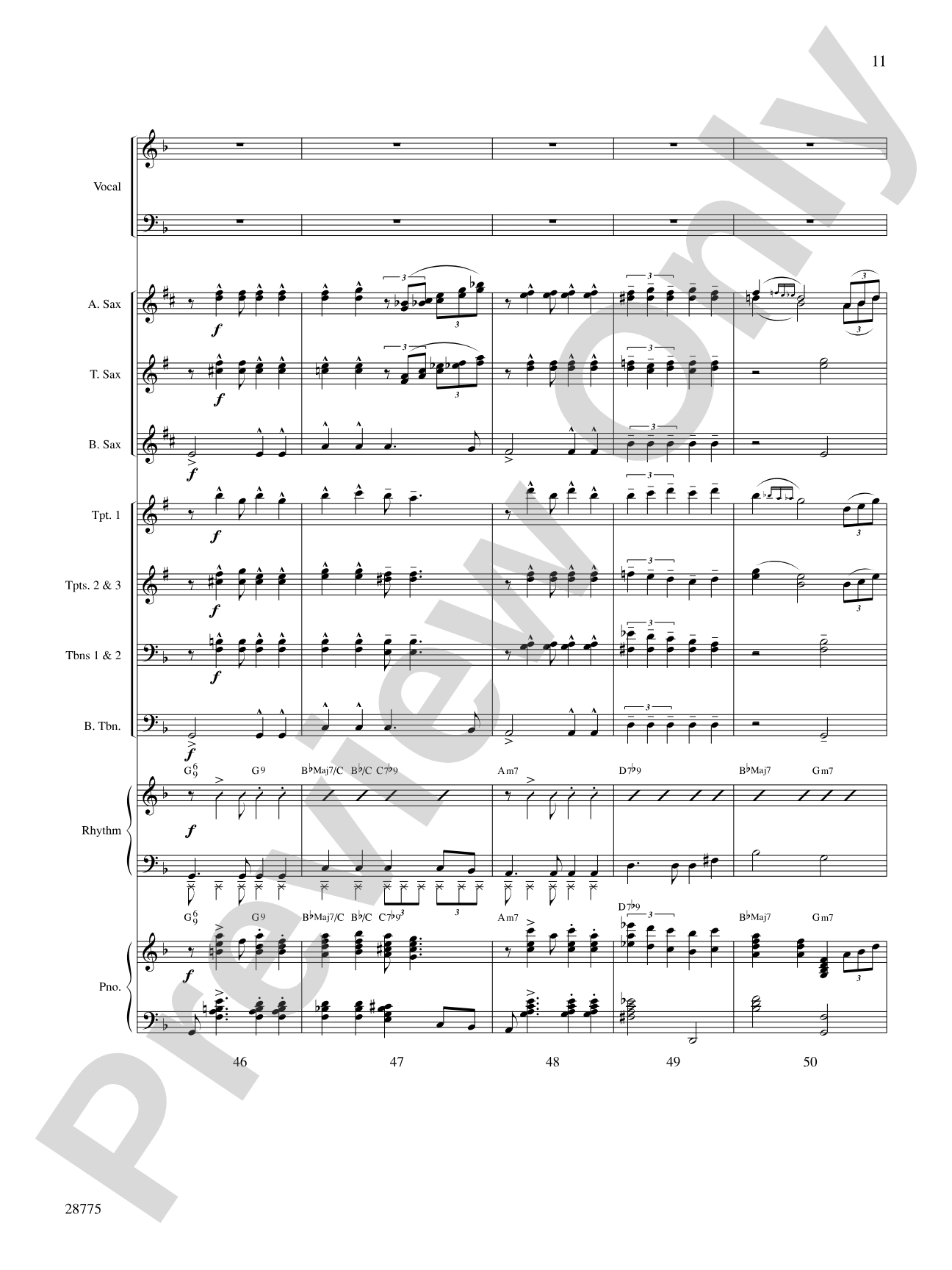
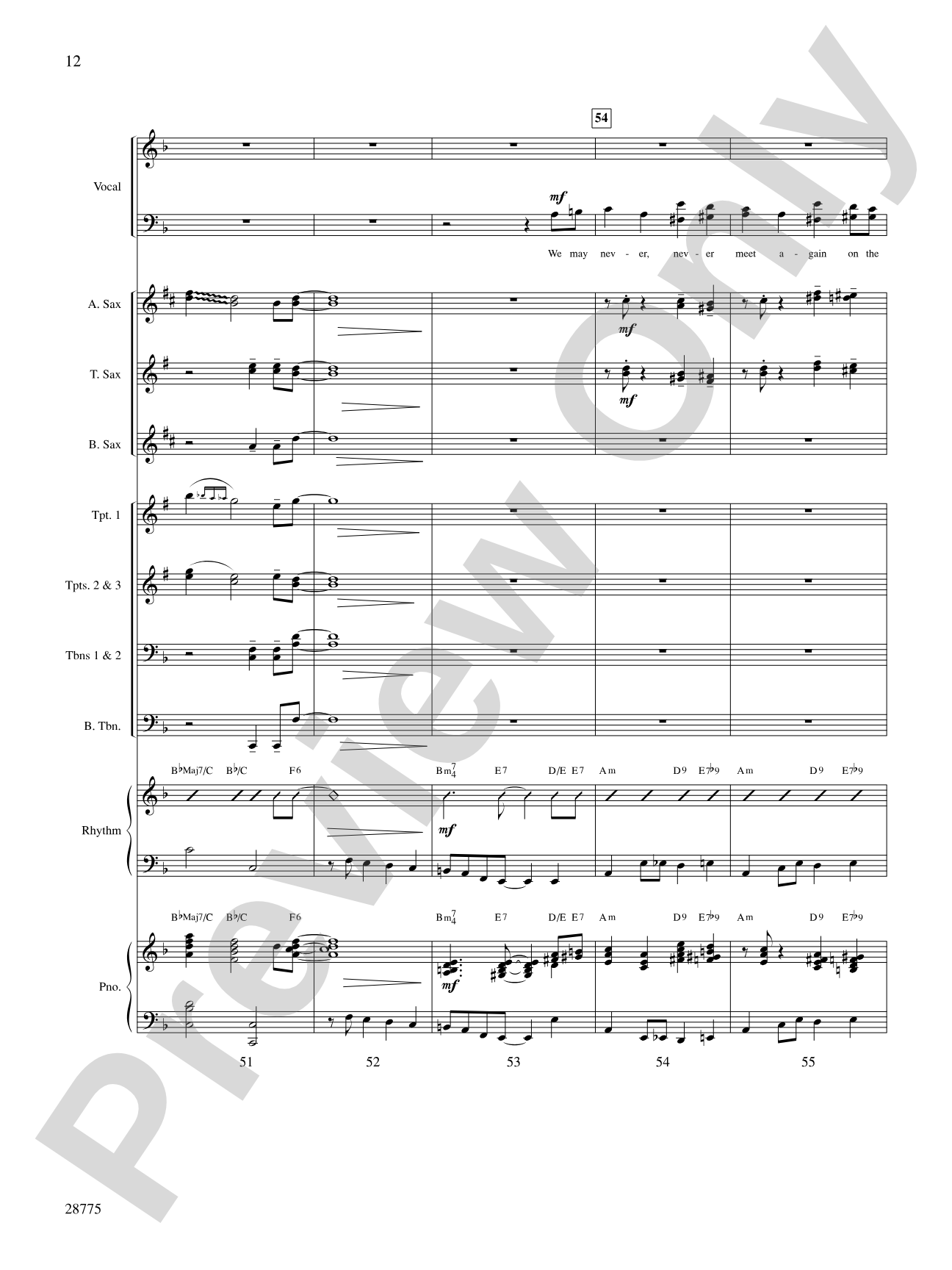
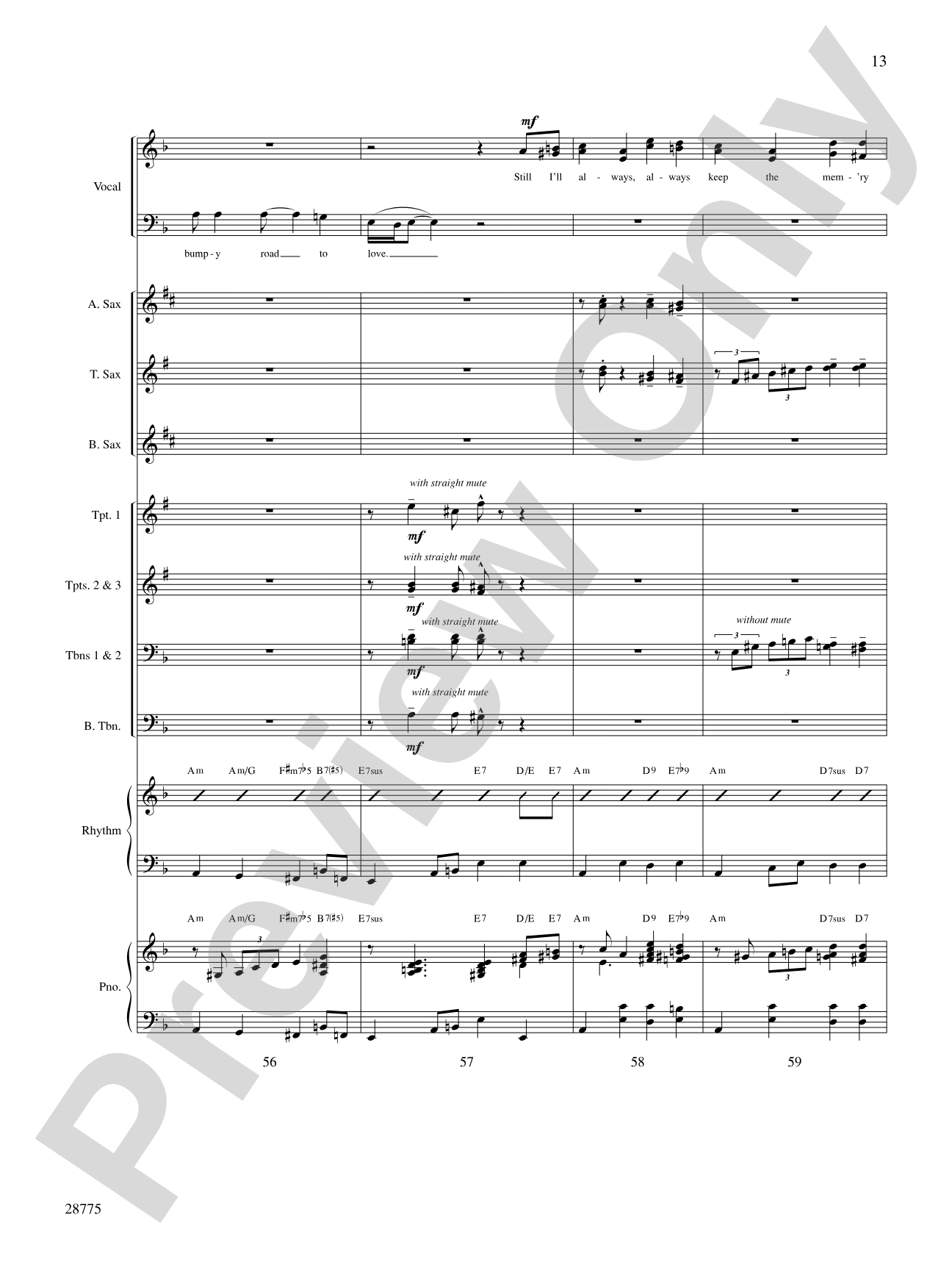
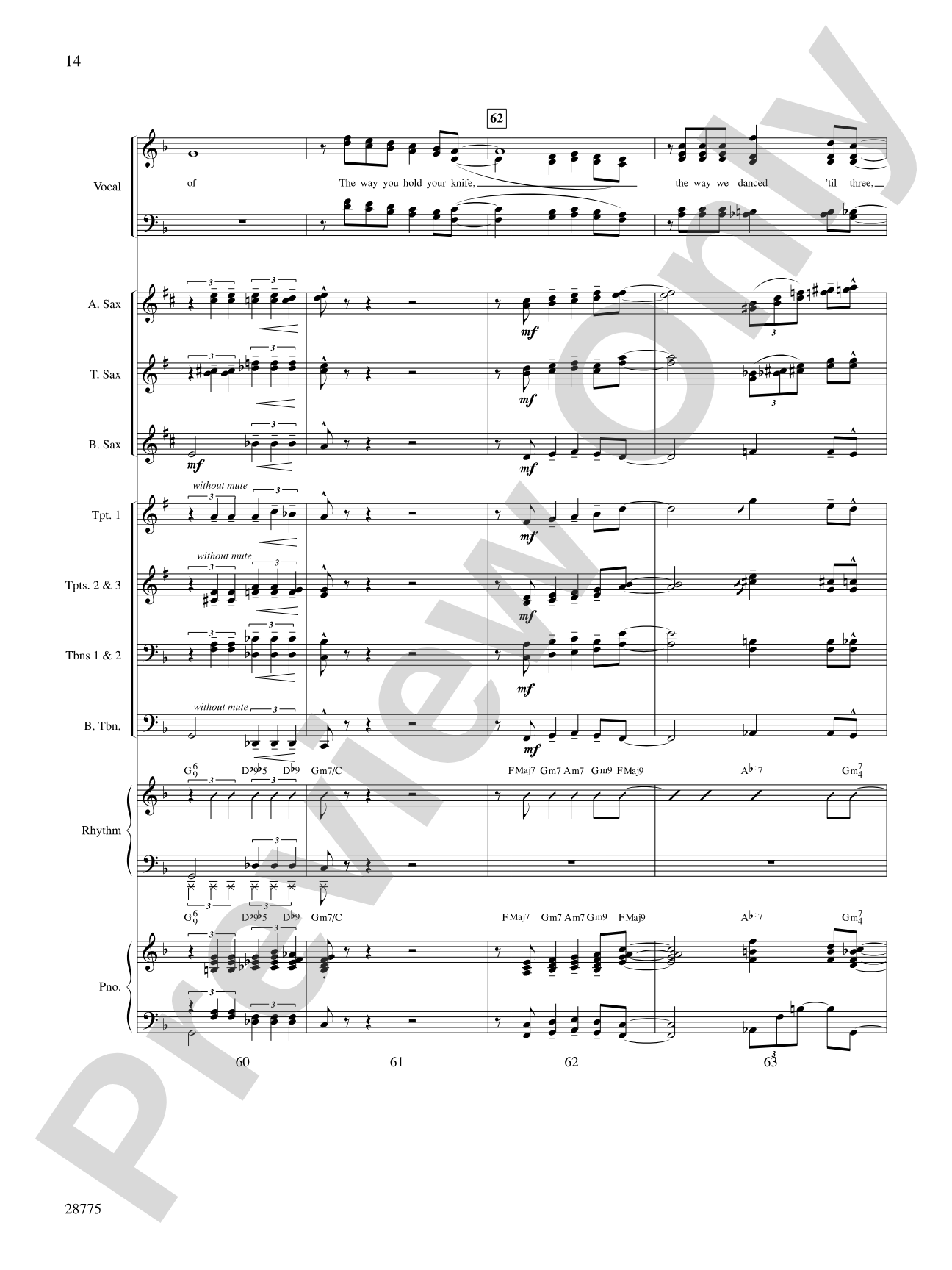
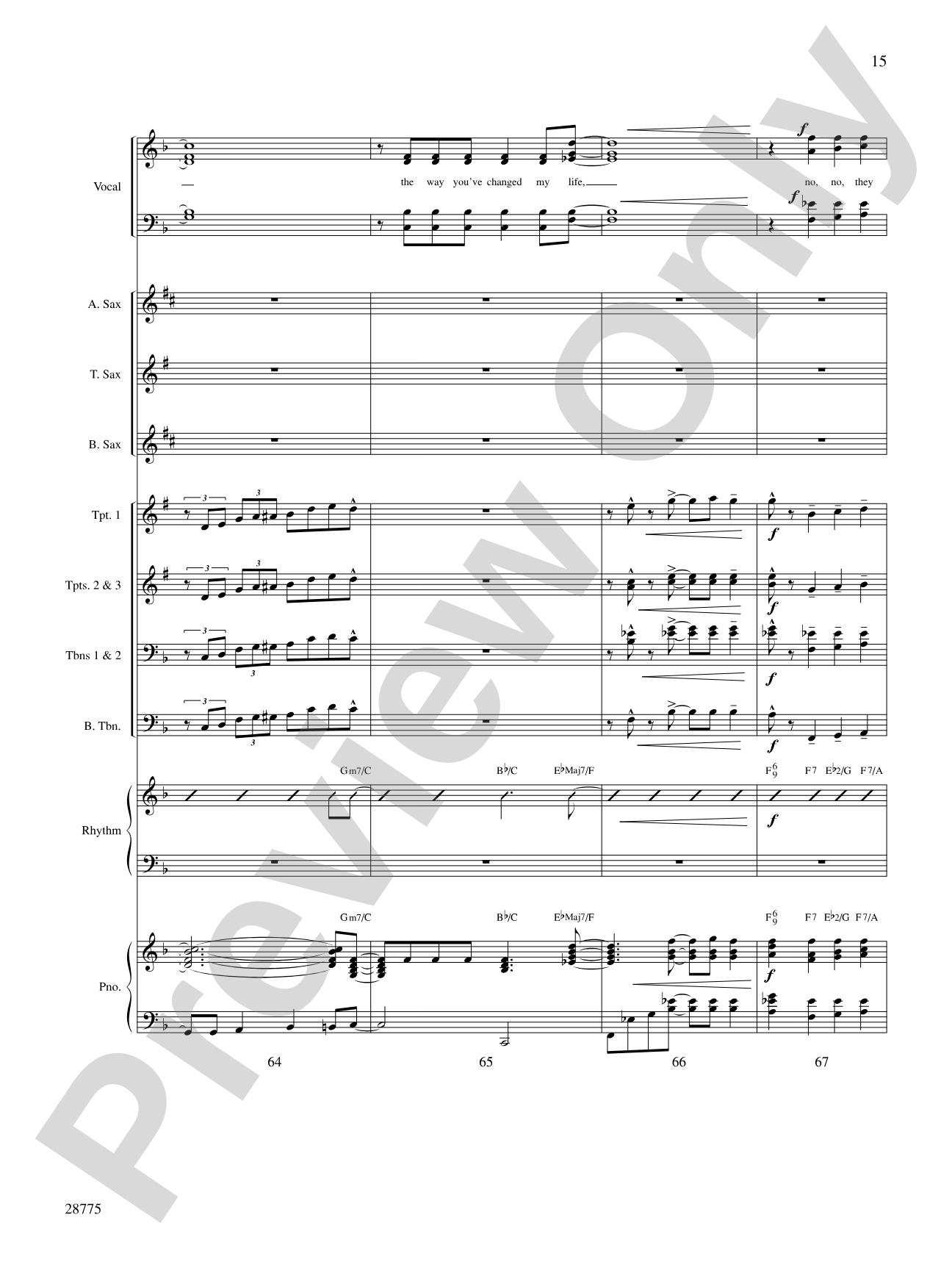
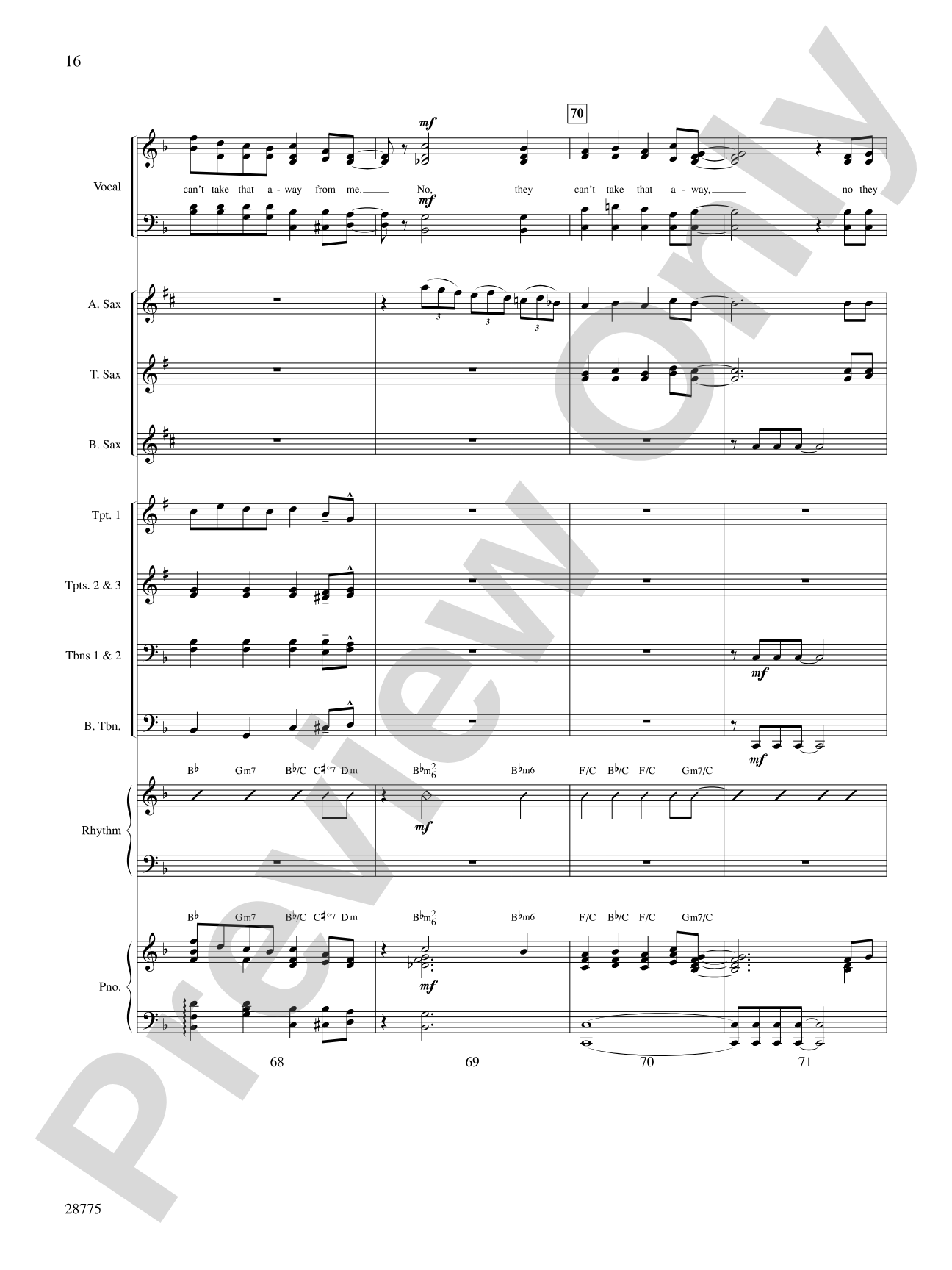
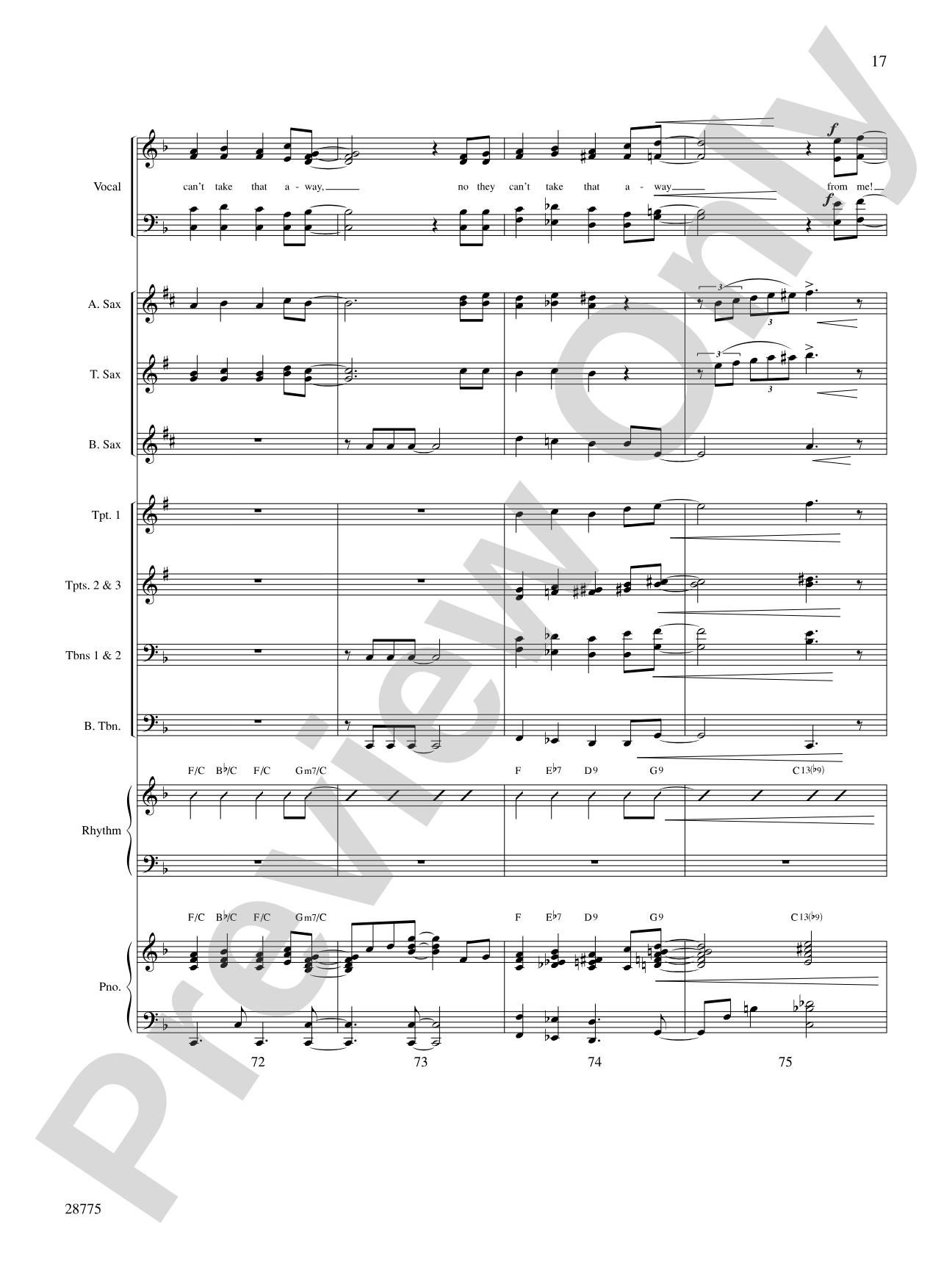
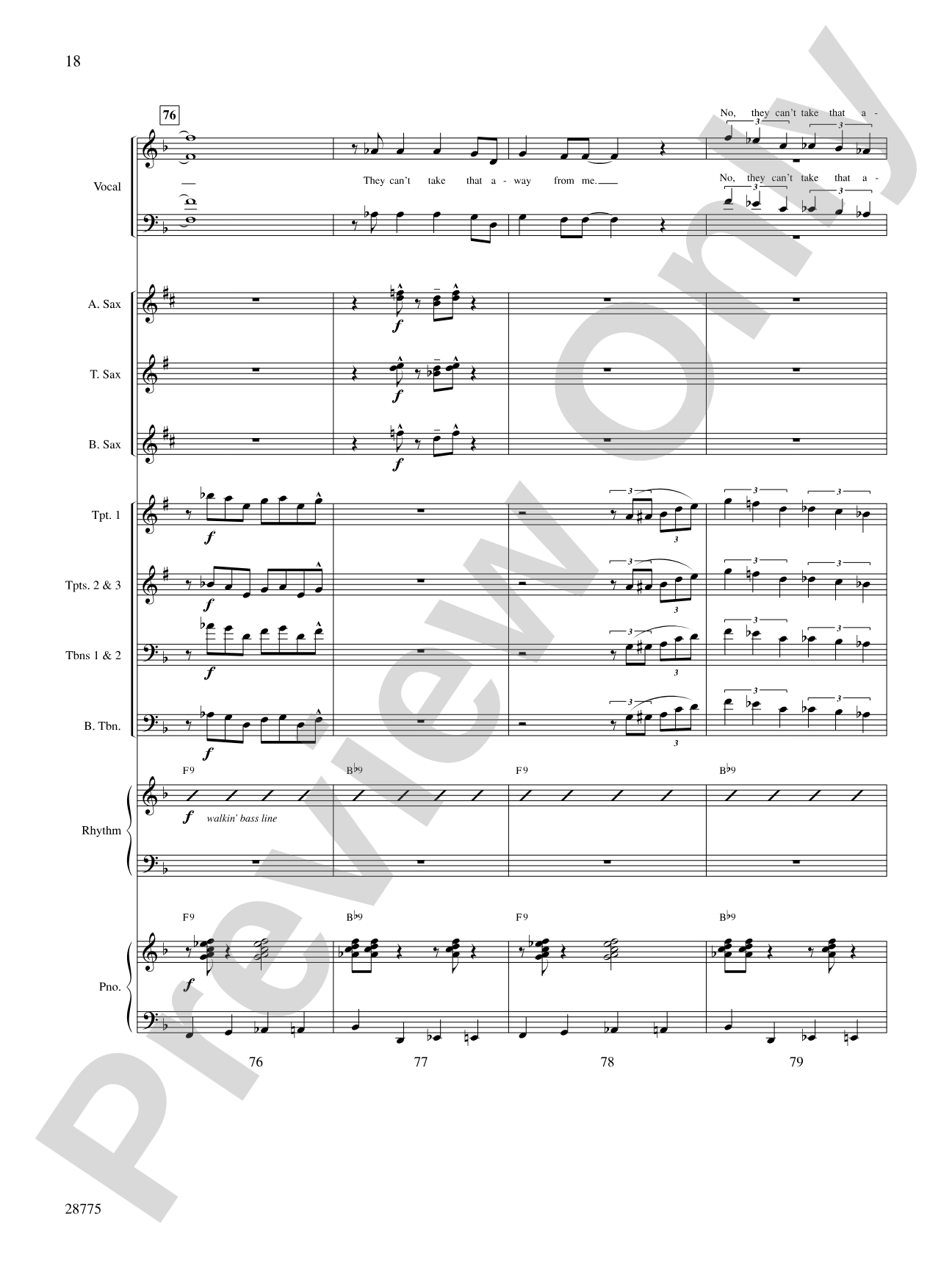
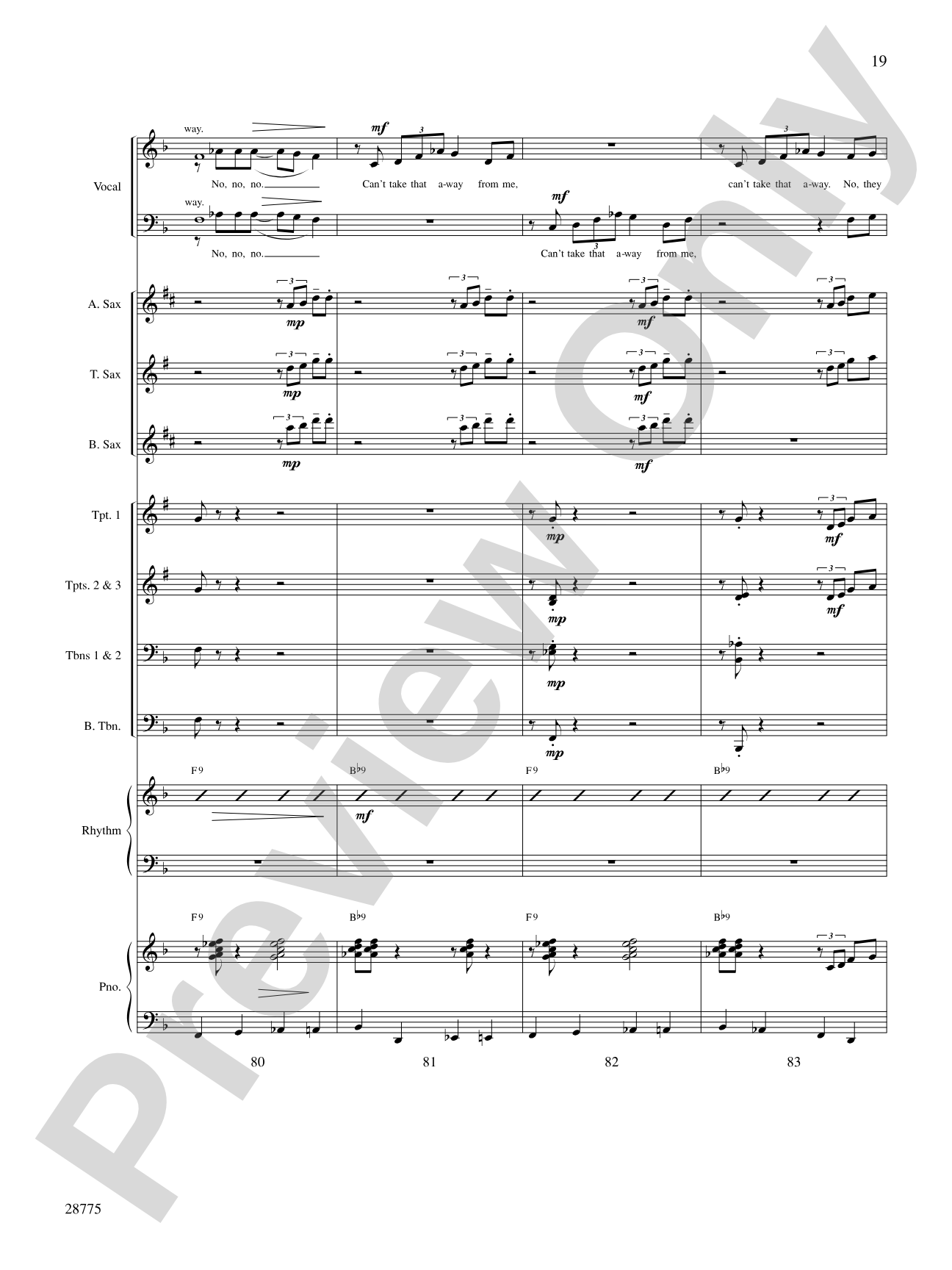
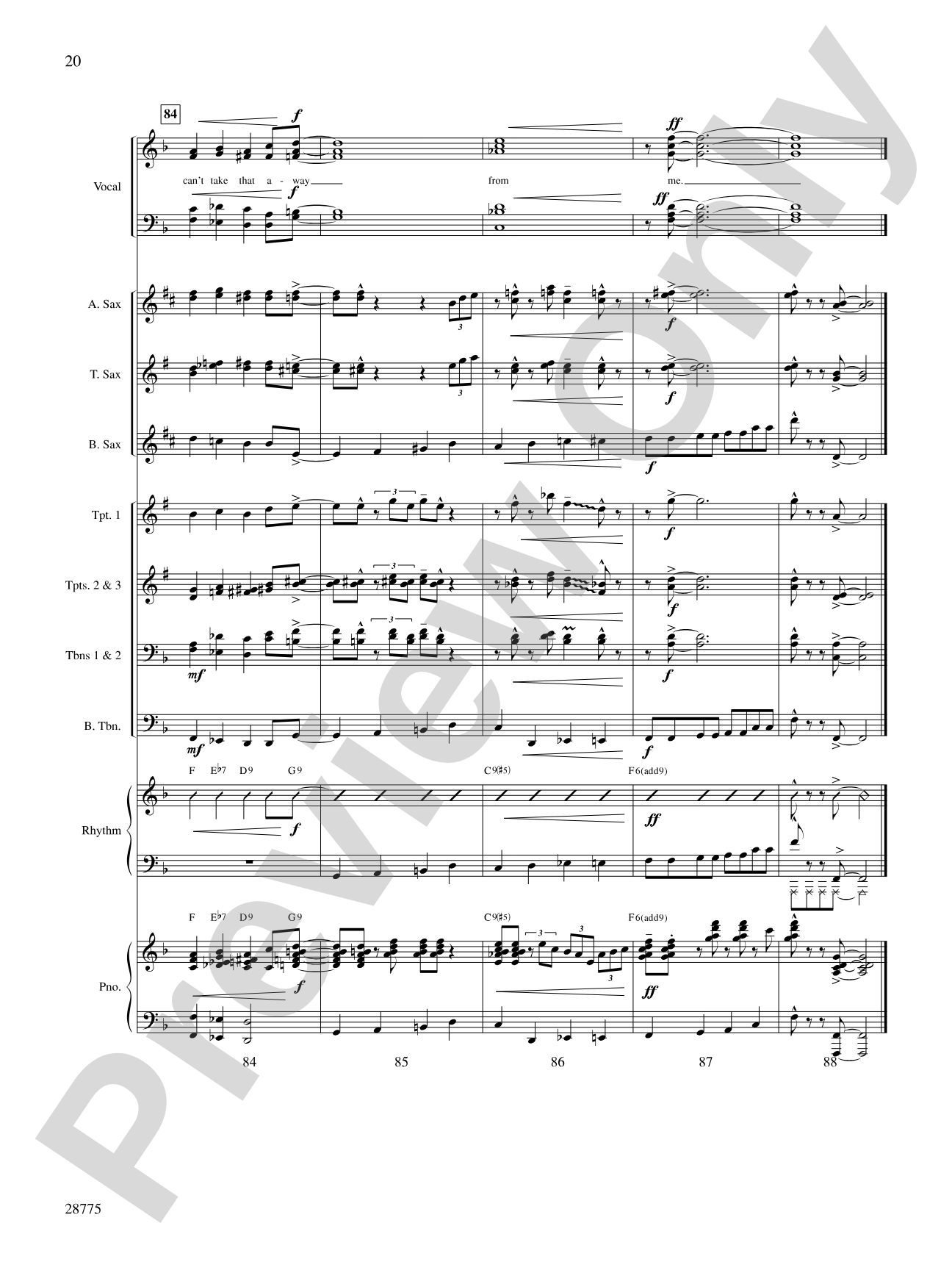
One of the most charming songs from the great era of American popular song. "The way you wear your hat, the way you sip your tea . . . no, no, they can't take that away from me." The unhurried swing feel of this arrangement is right on target for the sophisticated Gershwin style. Strong voice writing and supportive piano accompaniment. Includes parts for alto sax., tenor sax., baritone sax., 3 trumpet, 2 trombone, bass trombone, and rhythm.


Don't just read it, hear it, play along with it, and watch your students grow with it. In MakeMusic Cloud, They Can't Take That Away from Me: Choral SoundPax comes alive with professional accompaniment, adjustable tempo, and built-in practice tools that turn solo practice into real progress.
Open in the Player
Jump straight in and assign it today.
Start Your Free Trial
Open this title and explore the full library in minutes.
Sample Audio
1
Audio File
--:--
0:00
0:00
Sample Video
No sample videos found.
Additional Details
Series:
Alfred Pop Choral Series
Publisher:
Alfred Music
Page Count:
64
SKU:
00-PK-0001366
Instrumentation:
SoundPax
More about this title
About the Composer: George Gershwin
George Gershwin (1898–1937) bridged the gap between concert hall and Broadway with a compositional voice that felt entirely American. His gift for melody and harmonic sophistication made him a central figure in shaping the Great American Songbook, and his influence on how jazz and classical traditions could coexist remains foundational to music education today.
Ira Gershwin, George's brother and frequent lyricist, had an equally sharp ear for language and rhythm. Together they created some of the most memorable songs in American popular music, with lyrics that balance wit, emotional clarity, and singability. Their partnership set the standard for what sophisticated popular song could achieve.
Why we love this
Mark Hayes's arrangement captures the elegance of this Gershwin classic without overcomplicating it. The piano writing stays supportive and idiomatic, the horn and sax voicings fall naturally under the voices, and the whole thing swings with genuine sophistication. This is the kind of arrangement that sounds effortless but actually teaches singers how to phrase through a jazz idiom with real musicality.
What to expect
Warm, urbane, and gently swinging. The melody unfolds with the ease of someone reflecting on what makes a person unforgettable—not the grand gestures, but the small, particular habits of grace. The arrangement wraps this intimacy in cool jazz colors without ever letting it feel detached.
Who it's for
This arrangement works for mixed choirs at the intermediate to advanced level who are ready to tackle jazz phrasing and swing rhythm. It's equally suited for show choirs looking to add Great American Songbook repertoire, or concert choirs wanting to program something sophisticated and accessible.
How to get the most out of it
- Establish the swing feel first in the rhythm section (piano, bass, drums) before rehearsing vocals; the horns and saxes will lock in once that pocket is solid.
- Shape the vocal lines with the rubato of conversational speech. Gershwin's melodies are singable because they follow natural language patterns; honor that in your phrasing.
- Balance the horn parts carefully so they enhance rather than cover the choir. These aren't background stabs; they're comments on the text.
- Let the recorded accompaniment set your tempo and feel, then rehearse without it so singers own the time and style themselves.
How to use it
Slot this into a concert exploring the Great American Songbook or a program built around jazz and popular song traditions. It pairs naturally with other Gershwin material or with standards arranged in similar style. The sophisticated harmonic language and elegant orchestration make it a strong closer for a mixed concert or a centerpiece for a focused thematic program.
Skills your students will build
- Swing phrasing and rhythmic placement in a jazz idiom
- Balancing vocal lines with optional instrumental colors
- Reading and performing jazz harmony and chromatic voice leading
- Maintaining musical independence while blending with wind instruments