The Swan Cover Image

The Swan: Tuba, Solo with Piano, Book

$4.95 USD
Sale price  $4.95 USD Regular price 
Skip to product information
The Swan Cover Image

The Swan: Tuba, Solo with Piano, Book

By Edmund J. Siennicki

Item: 36-10550464

$4.95
Shipped

One moment…

Description
This lyrical work is a wonderful selection for beginning musicians for contest or recital. Versions for flute, clarinet, bassoon, alto saxophone, tenor saxophone, trumpet/cornet, horn, trombone, baritone T.C./B.C., tuba, and electronic keyboard, all with the same piano accompaniment, are available from the publisher.

The Swan: Tuba, Solo with Piano, Book isn't in MakeMusic Cloud just yet...but it could be. Let us know you'd like to see it, and you'll help shape what comes next. In the meantime, start a free trial and dive into thousands of interactive titles your students can play along with today.

Sample Pages

No sample pages found.

Sample Audio
No sample audio found.
Sample Video
Additional Details
Series: LudwigMasters Brass Series
Publisher: LUDWIGMASTERS
ISBN13: 978-163-361-2198
UPC: 604634047099
SKU: 36-10550464
Instrumentation: Brass - Tuba Solo

More about this title

About the Composer: Edmund J. Siennicki
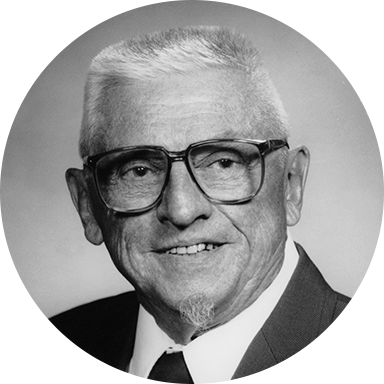
Edmund J. Siennicki

Edmund J. Siennicki's path in music was shaped early by a formative conversation with the legendary pianist Ignacy Jan Paderewski when Siennicki was just twelve years old. A Cleveland native, he earned his Bachelor's degree from Kent State University, where he composed the school's fight song that remains part of game day tradition. His graduate studies at Teachers College, Columbia University included composition study with Herbert Elwell and electronic music work with Sergio Barroso, alongside consultation with Vincent Persichetti.

Siennicki built a dual career as both performer and educator. He worked as a professional bassoonist and pianist while teaching in Cleveland's junior high schools and holding faculty positions at Michigan and Kent State University. His compositional output now exceeds 200 published works, a body of work recognized through multiple National School Orchestra composition contest wins and two residencies at the MacDowell Colony. For two decades he has received annual awards from ASCAP, and he continues to compose, visit schools, and lead clinics.

Why we love this

Siennicki understood what beginning soloists need: music that rewards careful listening and lyrical playing without demanding advanced technical facility. The Swan sits comfortably in the realm of contest and recital repertoire that actually sounds mature and substantial when performed well, giving your students a piece worth preparing thoroughly rather than something to simply get through.

What to expect

Graceful and introspective, with a melody that floats naturally over the piano accompaniment. The writing invites singers rather than technicians; it's a piece that develops your sense of phrase and control through its own gentle insistence on thoughtful, connected playing.

Who it's for

Beginning to early intermediate tuba soloists preparing for contest or recital performance. This work suits students ready to demonstrate musicality and tone control beyond the fundamentals, without requiring advanced range or technical agility.

How to get the most out of it

  • Shape the melody with sustained dynamic curves rather than playing at a single volume level; let the piano's harmonic movement guide your phrasing and breathing points.
  • Balance tone production with clear articulation in the lower register to ensure the legit, singing quality of the line comes through the larger mouthpiece and air column.
  • Coordinate with your accompanist on tempo stability, since the lyrical quality depends on the piano providing steady harmonic support without rushing through transitions.

How to use it

Feature this as a solo spot in a chamber music recital, or pair it with other lyrical works from the same LudwigMasters series if you're building a solo concert around beginning instrumentalists. Its accessibility also makes it valuable for solo contest preparation in the middle grades, where students benefit from learning repertoire that emphasizes musicianship over technical display.

Skills your students will build

  • Sustained legit tone production in the lower register
  • Long-phrase thinking and musical shaping
  • Balanced articulation at slower tempos
  • Coordination with piano accompaniment
  • Basic recital and contest etiquette preparation

You May Also Like