The Swan Cover Image

The Swan: Trumpet, Solo with Piano, Book

$4.95 USD
Sale price  $4.95 USD Regular price 
Skip to product information
The Swan Cover Image

The Swan: Trumpet, Solo with Piano, Book

By Edmund J. Siennicki

Item: 36-10510464

$4.95
Shipped

One moment…

Description
This lyrical work is a wonderful selection for beginning musicians for contest or recital. Versions for flute, clarinet, bassoon, alto saxophone, tenor saxophone, trumpet/cornet, horn, trombone, baritone T.C./B.C., tuba, and electronic keyboard, all with the same piano accompaniment, are available from the publisher.

The Swan: Trumpet, Solo with Piano, Book isn't in MakeMusic Cloud just yet...but it could be. Let us know you'd like to see it, and you'll help shape what comes next. In the meantime, start a free trial and dive into thousands of interactive titles your students can play along with today.

Sample Pages

No sample pages found.

Sample Audio
No sample audio found.
Sample Video
Additional Details
Series: LudwigMasters Brass Series
Publisher: LUDWIGMASTERS
ISBN13: 978-163-361-2174
UPC: 604634044784
SKU: 36-10510464
Instrumentation: Brass - Trumpet Solo

More about this title

About the Composer: Edmund J. Siennicki
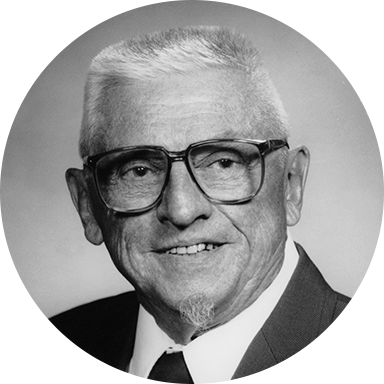
Edmund J. Siennicki

Edmund J. Siennicki was born in Cleveland, Ohio in 1920 and grew up surrounded by musical influence. A chance meeting with pianist Ignacy Jan Paderewski at age twelve left a lasting impression that shaped his artistic direction for decades to come.

Siennicki holds degrees from Kent State University and Teachers College, Columbia University, where he studied composition with Herbert Elwell and electronic music with Sergio Barroso. He also consulted with renowned composer Vincent Persichetti. As both a performer and educator, he played bassoon and piano while building a teaching career primarily in Cleveland's junior high schools and later at Michigan and Kent State universities. His catalog of nearly 200 published works has earned prizes in national school orchestra composition contests, and he served twice as composer in residence at the MacDowell Colony. For the past two decades, his work has been recognized with annual ASCAP awards, and he continues to compose, visit schools, and lead clinics.

Why we love this

Siennicki wrote this with first-year soloists in mind, crafting a piece that sits comfortably in the upper register without demanding extreme technical facility. The lyrical melodic line rewards careful attention to phrasing and tone production, making it ideal for students who need a contest or recital vehicle that builds musicianship alongside confidence.

What to expect

Gentle and introspective, this arrangement invites performers and listeners into a quiet moment of beauty. The writing opens space for musicians to develop their own interpretive voice while the piano creates a stable, supportive foundation.

Who it's for

Beginning brass soloists preparing for contest or recital performance. This work suits musicians who are developing solo repertoire and need a lyrical standard that emphasizes musical expression over virtuosity.

How to get the most out of it

  • Shape the long phrases by thinking in terms of vocal phrasing rather than individual note articulation. Let the melody breathe at logical musical moments rather than emphasizing every note.
  • Work closely with the pianist to establish a consistent tempo that allows the trumpet to sit comfortably in the lyrical passages. A partnership approach here makes the difference between a solo performance and a true collaboration.
  • Focus on tonal consistency throughout the range. This piece doesn't require dramatic dynamic shifts, so a warm, centered sound across all registers will serve the music better than uneven volume.
  • Balance the accompaniment carefully in rehearsal. The piano part should support without overwhelming, allowing the trumpet line to remain the clear focal point.

How to use it

Slot this into a solo recital as a contrasting middle piece between more technically demanding selections, or feature it as the opening work to establish an elegant tone for your concert. It also works well as a featured moment during a student showcase where variety in style and difficulty matters.

Skills your students will build

  • Legato articulation and smooth phrase connection
  • Tone control and consistency across the upper register
  • Musical phrasing and structural awareness
  • Collaboration with keyboard accompaniment
  • Performance under contest or recital conditions

You May Also Like