The Swan Cover Image

The Swan: Trombone/ Euphonium, Solo with Piano, Book

$4.95 USD
Sale price  $4.95 USD Regular price 
Skip to product information
The Swan Cover Image

The Swan: Trombone/ Euphonium, Solo with Piano, Book

By Edmund J. Siennicki

Item: 36-10540464

$4.95
Shipped

One moment…

Description
This lyrical work is a wonderful selection for beginning musicians for contest or recital. Versions for flute, clarinet, bassoon, alto saxophone, tenor saxophone, trumpet/cornet, horn, trombone, baritone T.C./B.C., tuba, and electronic keyboard, all with the same piano accompaniment, are available from the publisher.

The Swan: Trombone/ Euphonium, Solo with Piano, Book isn't in MakeMusic Cloud just yet...but it could be. Let us know you'd like to see it, and you'll help shape what comes next. In the meantime, start a free trial and dive into thousands of interactive titles your students can play along with today.

Sample Pages

No sample pages found.

Sample Audio
No sample audio found.
Sample Video
Additional Details
Series: LudwigMasters Brass Series
Publisher: LUDWIGMASTERS
ISBN13: 978-163-361-2082
UPC: 604634046115
SKU: 36-10540464
Instrumentation: Brass - Baritone Solo

More about this title

About the Composer: Edmund J. Siennicki
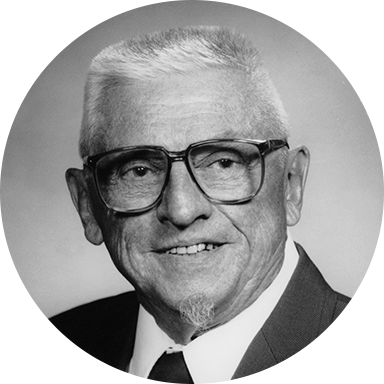
Edmund J. Siennicki

Edmund J. Siennicki grew up in Cleveland, Ohio, where a formative conversation with pianist Ignacy Jan Paderewski at age twelve shaped his artistic vision for life. He earned his Bachelor's degree from Kent State University, where he composed the school's fight song (still performed at football games), and later completed his Master's at Teachers College, Columbia University, studying composition with Herbert Elwell and electronic music with Sergio Barroso.

Siennicki built a distinguished career as both a performer and composer, playing bassoon and piano professionally while teaching in Cleveland's junior high schools and serving on faculty at Michigan and Kent State University. His approximately 200 published compositions have earned prizes in national school orchestra contests, and he spent two residencies at the MacDowell Colony. For two decades he has received annual ASCAP awards, continuing to compose, conduct clinics, and mentor young musicians.

Why we love this

Siennicki writes with genuine melodic warmth and restraint. Beginning soloists need material that sounds mature without demanding impossible technique, and this arrangement delivers exactly that. The piano part sits comfortably beneath the soloist rather than competing, making rehearsal straightforward while the lyrical line itself rewards careful phrasing and breath control.

What to expect

Gentle and introspective, this work unfolds with the unhurried grace of a chamber piece. The melody breathes with a lyrical quality that encourages singers-at-heart, supported by a piano accompaniment that adds harmonic richness without demanding attention.

Who it's for

Beginning soloists preparing for contest or recital performance will find a piece that sounds refined without overwhelming technical demands. Baritone and euphonium players benefit from solo literature that values singing tone over acrobatic display, making this an ideal choice for developing musicianship alongside foundational brass skills.

How to get the most out of it

  • Shape the line with long phrases rather than choppy articulation; let the piano accompaniment anchor harmonic progression while you float the melody across bar lines.
  • Balance dynamic contours with the piano partner; avoid the common trap of playing too loudly through the middle section, which flattens the piece's emotional arc.
  • Approach the sustained passages with patience and consistent air flow, treating silence and held notes as equal partners in musical storytelling.

How to use it

Pair this with other lyrical solos from the LudwigMasters Brass Series (available in flute, clarinet, trumpet, and other voices) for a cohesive solo showcase concert. It works beautifully as a recital opener or closing selection, offering the audience a moment of stillness that contrasts with more energetic repertoire.

Skills your students will build

  • Sustained tone production and breath control across longer phrases
  • Dynamic shape and musical phrasing in unaccompanied passages
  • Balancing solo voice with piano accompaniment
  • Legato articulation and lyrical expression

You May Also Like