The Swan Cover Image

The Swan: Bassoon, Solo with Piano, Book

$4.95 USD
Sale price  $4.95 USD Regular price 
Skip to product information
The Swan Cover Image

The Swan: Bassoon, Solo with Piano, Book

By Edmund J. Siennicki

Item: 36-10430464

$4.95
Shipped

One moment…

Description
This lyrical work is a wonderful selection for beginning musicians for contest or recital. Versions for flute, clarinet, bassoon, alto saxophone, tenor saxophone, trumpet/cornet, horn, trombone, baritone T.C./B.C., tuba, and electronic keyboard, all with the same piano accompaniment, are available from the publisher.

The Swan: Bassoon, Solo with Piano, Book isn't in MakeMusic Cloud just yet...but it could be. Let us know you'd like to see it, and you'll help shape what comes next. In the meantime, start a free trial and dive into thousands of interactive titles your students can play along with today.

Sample Pages

No sample pages found.

Sample Audio
No sample audio found.
Sample Video
Additional Details
Series: LudwigMasters Woodwind Series
Publisher: LUDWIGMASTERS
ISBN13: 978-162-876-4017
UPC: 604634042353
SKU: 36-10430464
Instrumentation: Woodwind - Bassoon Solo

More about this title

About the Composer: Edmund J. Siennicki
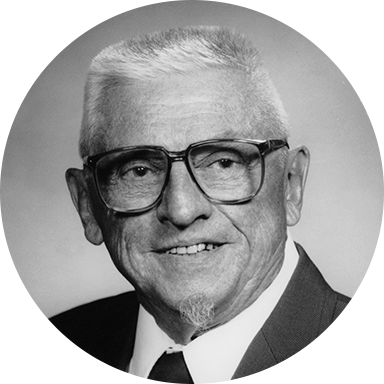
Edmund J. Siennicki

Edmund J. Siennicki grew up in Cleveland, Ohio, where at age twelve he had a formative conversation with legendary pianist Ignacy Jan Paderewski that shaped his artistic direction. He earned his Bachelor's degree from Kent State University, where he composed the university's fight song still performed at football games, and later completed his Master's at Teachers College, Columbia University under the mentorship of composer Herbert Elwell and electronic music pioneer Sergio Barroso.

Siennicki's career spanned both performance and composition. As a professional bassoonist and pianist, he built a teaching practice centered in Cleveland's junior high schools while also holding faculty positions at Michigan and Kent State University. His prolific output of approximately 200 published compositions has earned recognition through National School Orchestra composition contests, two residencies at the MacDowell Colony, and two decades of consecutive ASCAP awards. He remains active as a composer and clinician.

Why we love this

Siennicki understood what young bassoonists needed because he taught them for decades. This arrangement sits comfortably in the lower register while maintaining genuine musical interest, making it a legitimate recital choice rather than an exercise masquerading as art. The piano part supports without overwhelming, giving beginning players room to develop their sound without fighting the accompaniment.

What to expect

A serene, singing melody that flows naturally on the bassoon without demanding virtuosity. The piece unfolds with gentle lyricism, giving the instrument space to project warmth and expressiveness.

Who it's for

Beginning bassoonists preparing for contests or solo recitals. This work assumes competent fundamental technique and offers the kind of lyrical vehicle that allows young players to demonstrate musicianship alongside technical control.

How to get the most out of it

  • Shape the opening phrase with subtle dynamic swells to emphasize the lyrical character; resist the impulse to play it straight and static.
  • Work with your accompanist on the balance of the piano introduction so listeners hear the harmonic context before the bassoon enters.
  • Let the long tones breathe. Use them to develop tone quality and control rather than rushing through to the next phrase.
  • Mark fingering choices during early rehearsals so you can focus on musical expression once the notes are secure.

How to use it

Pair this with other short lyrical solos in a recital format, or feature it as a featured moment within a larger band or orchestra concert where it can provide textural contrast. It works equally well in a spring solo competition or as part of a woodwind showcase.

Skills your students will build

  • Sustained tone quality on long melodic lines
  • Dynamic shaping and phrase direction
  • Collaborative ensemble listening with an accompanist
  • Intonation control in lyrical, slower contexts

You May Also Like