The Swan Cover Image

The Swan: Clarinet, Solo with Piano, Book

$4.95 USD
Sale price  $4.95 USD Regular price 
Skip to product information
The Swan Cover Image

The Swan: Clarinet, Solo with Piano, Book

By Edmund J. Siennicki

Item: 36-10440464

$4.95
Shipped

One moment…

Description
This lyrical work is a wonderful selection for beginning musicians for contest or recital. Versions for flute, clarinet, bassoon, alto saxophone, tenor saxophone, trumpet/cornet, horn, trombone, baritone T.C./B.C., tuba, and electronic keyboard, all with the same piano accompaniment, are available from the publisher.

The Swan: Clarinet, Solo with Piano, Book isn't in MakeMusic Cloud just yet...but it could be. Let us know you'd like to see it, and you'll help shape what comes next. In the meantime, start a free trial and dive into thousands of interactive titles your students can play along with today.

Sample Pages

No sample pages found.

Sample Audio
No sample audio found.
Sample Video
Additional Details
Series: LudwigMasters Woodwind Series
Publisher: LUDWIGMASTERS
ISBN13: 978-163-361-2143
UPC: 604634042520
SKU: 36-10440464
Instrumentation: Woodwind - Clarinet Solo

More about this title

About the Composer: Edmund J. Siennicki
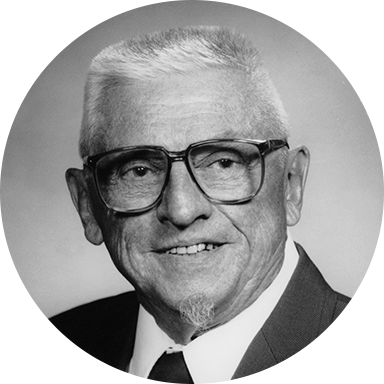
Edmund J. Siennicki

Edmund J. Siennicki was born in Cleveland in 1920 and encountered the legendary pianist Ignacy Jan Paderewski at age twelve, an encounter that shaped his artistic direction for decades to come. He earned his Bachelor's degree from Kent State University, where he composed Fight On for KSU, a piece still performed at the university's football games. His graduate training at Teachers College, Columbia University, included composition study with Herbert Elwell, electronic music with Sergio Barroso, and consultations with Vincent Persichetti.

Siennicki's career bridged performance, teaching, and composition. He performed professionally on bassoon and piano while building a 20 year teaching presence in Cleveland Junior High Schools, with additional faculty roles at Michigan and Kent State University. His catalog of approximately 200 published compositions has garnered recognition through National School Orchestra composition contests, two residencies at the MacDowell Colony, and consecutive ASCAP awards. He continues composing, visiting schools, and conducting clinics.

Why we love this

Siennicki has crafted something genuinely lyrical here, not just technically accessible but emotionally satisfying for young players encountering serious repertoire. The piece sits at exactly the right difficulty for a beginning soloist's first contest experience, offering genuine musicality without excessive technical demands. The availability of the same accompaniment across multiple instruments makes this a gift for programs building a solo literature library.

What to expect

This piece captures the quiet grace of its title subject. The music moves with an unhurried elegance, inviting the soloist into a partnership with the piano where beauty comes from restraint rather than virtuosity.

Who it's for

Beginning clarinetists preparing their first solo competition or recital performance will find exactly the right vehicle here. The work suits young players with roughly one to two years of playing experience who are ready to explore lyrical expression beyond elementary method books.

How to get the most out of it

  • Shape the phrase lines with careful dynamic control rather than playing at a single volume throughout. Young clarinet players often rush beautiful singing passages when they should let the melody breathe.
  • Balance your volume with the piano accompaniment during sectional rehearsals. A lightweight tone will blend better with the keyboard than a forced, aggressive sound.
  • Practice the transition between any register changes slowly and with attention to voicing consistency. Smooth, connected playing marks the difference between technically correct and truly musical.

How to use it

Feature this on a solo competition or spring recital where it can stand alongside other lyrical works in contrasting styles. The gentle character provides excellent balance to faster or more energetic pieces in the same performance.

Skills your students will build

  • Phrasing and breath placement in a lyrical context
  • Intonation control in sustained melodic lines
  • Balancing tone quality with dynamic shaping
  • Ensemble listening and coordination with piano accompaniment
  • Interpreting expressive markings with intention

You May Also Like