The Swan Cover Image

The Swan: Alto Saxophone, Solo with Piano, Book

$4.95 USD
Sale price  $4.95 USD Regular price 
Skip to product information
The Swan Cover Image

The Swan: Alto Saxophone, Solo with Piano, Book

By Edmund J. Siennicki

Item: 36-10450464

$4.95
Shipped

One moment…

Description
This lyrical work is a wonderful selection for beginning musicians for contest or recital. Versions for flute, clarinet, bassoon, alto saxophone, tenor saxophone, trumpet/cornet, horn, trombone, baritone T.C./B.C., tuba, and electronic keyboard, all with the same piano accompaniment, are available from the publisher.

The Swan: Alto Saxophone, Solo with Piano, Book isn't in MakeMusic Cloud just yet...but it could be. Let us know you'd like to see it, and you'll help shape what comes next. In the meantime, start a free trial and dive into thousands of interactive titles your students can play along with today.

Sample Pages

No sample pages found.

Sample Audio
No sample audio found.
Sample Video
Additional Details
Series: LudwigMasters Woodwind Series
Publisher: LUDWIGMASTERS
ISBN13: 978-163-361-2150
UPC: 604634043954
SKU: 36-10450464
Instrumentation: Woodwind - Alto Saxophone Solo

More about this title

About the Composer: Edmund J. Siennicki
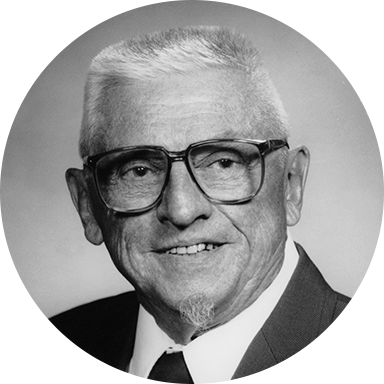
Edmund J. Siennicki

Edmund J. Siennicki grew up in Cleveland, Ohio, and at twelve years old had a formative conversation with pianist Ignacy Jan Paderewski that shaped his artistic trajectory. He earned his Bachelor's degree from Kent State University, where he composed Fight On for KSU, a piece that remains part of the university's football traditions. He continued his studies at Teachers College, Columbia University, where he earned his MA, and worked in composition with Herbert Elwell, electronic music with Sergio Barroso, and received guidance from Vincent Persichetti.

Throughout his career, Siennicki worked as a professional bassoonist and pianist while establishing himself as a prolific composer. His compositions have earned recognition in National School Orchestra contests, and he served as composer in residence at the MacDowell Colony twice. With approximately 200 works in print and two decades of ASCAP awards to his name, Siennicki spent much of his teaching life in Cleveland's junior high schools while also holding positions at Michigan and Kent State University. He continues composing, conducting school clinics, and visiting music programs.

Why we love this

Siennicki writes with a gift for melody that singers and wind players genuinely enjoy performing. This arrangement captures the essence of what makes a beginning solo work memorable for young musicians without asking for technical pyrotechnics, making it equally suitable for a student's first recital experience or a contest where musicality matters more than velocity.

What to expect

The music unfolds with genuine warmth and accessibility. It invites the player to sing rather than display, creating an intimate conversation between soloist and piano that feels natural and unforced.

Who it's for

This solo works well for alto saxophonists preparing for their first contest experience or recital performance. It suits musicians at the beginning to early intermediate level who have solid fundamentals and are ready to focus on musicality rather than technical challenges.

How to get the most out of it

  • Shape the phrases deliberately. This music rewards a thoughtful approach to dynamics and rubato rather than a metronomic reading.
  • Coordinate with the pianist on the tempo early in rehearsals. The piano part should sit comfortably beneath the saxophone line without rushing the natural phrasing.
  • Listen for the warm, singing quality the alto saxophone is designed for. Avoid a thin or overly bright tone that would undercut the lyrical character.
  • Mark breath spots that feel natural, not just at the end of obvious phrases. This allows you to sustain longer lines without strain.

How to use it

Include this on a student recital where you want to feature young players in solo settings without the pressure of virtuosic pyrotechnics. It also pairs beautifully in a concert that highlights chamber repertoire across multiple wind instruments, since versions exist for flute, clarinet, trumpet, and other instruments with the same accompaniment.

Skills your students will build

  • Lyrical phrasing with attention to long-line singing
  • Coordination with an accompanist on tempo and interpretation
  • Dynamic control and expressive tone production
  • Breath management across extended melodic passages
  • Preparation for contest or recital performance at the early solo level

You May Also Like