The Rooster Cover Image

The Rooster: Clarinet, Solo with Piano, Book

$4.95 USD
Sale price  $4.95 USD Regular price 
Skip to product information
The Rooster Cover Image

The Rooster: Clarinet, Solo with Piano, Book

By Edmund J. Siennicki

Grade: 1

Item: 36-10440468

$4.95
Shipped

One moment…

Description
This work for the beginning instrumentalist, available for numerous different solo instruments with piano, includes a piano accompaniment that can be performed by a one or two year private study middle-school level piano student. The variety of solo instrument parts makes it possible for one student to accompany many different students. A preparatory "warm-up" exercise for young accompanists is printed on the last page of the piano part. This solo can also be found in all instrument versions of the Competition Solos series, Book 1.

The Rooster: Clarinet, Solo with Piano, Book isn't in MakeMusic Cloud just yet...but it could be. Let us know you'd like to see it, and you'll help shape what comes next. In the meantime, start a free trial and dive into thousands of interactive titles your students can play along with today.

Sample Pages

No sample pages found.

Sample Audio
No sample audio found.
Sample Video
Additional Details
Series: LudwigMasters Woodwind Series
Publisher: Keiser Productions, Inc.
ISBN10: 8-89-563264-8
ISBN13: 979-889-563-2642
UPC: 659859302096
SKU: 36-10440468
Instrumentation: Clarinet and Piano

More about this title

About the Composer: Edmund J. Siennicki
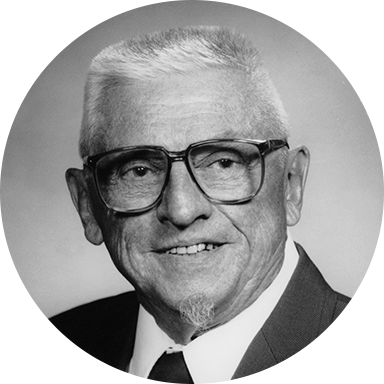
Edmund J. Siennicki

Edmund J. Siennicki was born in Cleveland, Ohio in 1920. A pivotal moment came at age twelve when he met the legendary pianist Ignacy Jan Paderewski; that conversation shaped his artistic direction for decades to come. He earned his Bachelor's degree from Kent State University, where he composed the university's fight song that remains performed at football games today. His graduate studies took him to Teachers College at Columbia University, where he pursued composition and studied electronic music alongside established figures like Vincent Persichetti.

Siennicki's career as a performer spanned both the bassoon and piano. His compositional output has been recognized in National School Orchestra composition contests, and he served as composer in residence at the MacDowell Colony twice. With roughly 200 published works and two decades of consecutive ASCAP awards to his name, Siennicki established himself as a prolific voice in music education. His teaching work centered in the Cleveland public schools, though he also held faculty positions at Michigan and Kent State University. He has remained active as a composer and clinician throughout his career.

Why we love this

This piece strikes the right balance between accessibility and genuine musicality for Grade 1 clarinetists. The accompaniment design is ingenious: the piano part sits well within one to two years of study, making it practical for young student pianists to perform while serving multiple clarinet students throughout a studio or school year. Siennicki wrote repertoire that works in the real world of music education.

What to expect

The piece captures the humor and energy of its subject with a straightforward, tuneful melody that sits comfortably in the early clarinet range. The rooster character emerges through articulation and phrasing rather than technical complexity, allowing young players to focus on tone quality and musical storytelling while the piano provides supportive, well-crafted accompaniment.

Who it's for

Grade 1 clarinetists in their first or second year of study seeking their first solo with piano accompaniment. This works equally well for private studio students preparing for a recital and for school ensemble members taking on an independent performance. The pairing also suits young piano students in their first or second year who want meaningful accompaniment experience.

How to get the most out of it

  • Shape the melodic line with attention to phrase length rather than trying to execute technical flourishes; younger players often lose the tune's character when they focus too narrowly on individual notes.
  • Coordinate with your pianist ahead of time about breath points and tempo stability, especially at section transitions where young accompanists may hesitate.
  • Let the rooster character shine through dynamic contrast; even at this level, varied dynamics enliven the narrative that Siennicki builds into the piece.
  • Use the warm-up exercise printed on the last page of the piano part as a preparation tool for both partners to establish common rhythmic and tonal language before full run-throughs.

How to use it

Program this as a moment of lighthearted character at a student recital, or use it in a studio performance day where multiple clarinetists can rotate through the same piano part with different accompanists. It also works well as a mid-year repertoire assignment in a beginning band or school orchestra when students are ready to try solo literature but not yet prepared for pieces at Grade 2 or higher.

Skills your students will build

  • Maintaining steady tempo with a live accompanist
  • Shaping phrase contours in simple melodies
  • Sustaining tone quality at dynamic levels appropriate to Grade 1 ability
  • Coordinating with another musician for expressive consistency
  • Reading and performing character-based repertoire

You May Also Like