The Rooster Cover Image

The Rooster: Other Keyboard, Solo with Piano, Book

$4.95 USD
Sale price  $4.95 USD Regular price 
Skip to product information
The Rooster Cover Image

The Rooster: Other Keyboard, Solo with Piano, Book

By Edmund J. Siennicki

Grade: 1

Item: 36-10760468

$4.95
Shipped

One moment…

Description
This work for the beginning instrumentalist, available for numerous different solo instruments with piano, includes a piano accompaniment that can be performed by a one or two year private study middle-school level piano student. The variety of solo instrument parts makes it possible for one student to accompany many different students. A preparatory "warm-up" exercise for young accompanists is printed on the last page of the piano part. This solo can also be found in all instrument versions of the Competition Solos series, Book 1.

The Rooster: Other Keyboard, Solo with Piano, Book isn't in MakeMusic Cloud just yet...but it could be. Let us know you'd like to see it, and you'll help shape what comes next. In the meantime, start a free trial and dive into thousands of interactive titles your students can play along with today.

Sample Pages

No sample pages found.

Sample Audio
No sample audio found.
Sample Video
Additional Details
Series: LudwigMasters Piano Series
Publisher: Keiser Productions, Inc.
ISBN10: 8-89-563269-9
ISBN13: 979-889-563-2697
UPC: 659859307947
SKU: 36-10760468
Instrumentation: Electronic Keyboard and Piano

More about this title

About the Composer: Edmund J. Siennicki
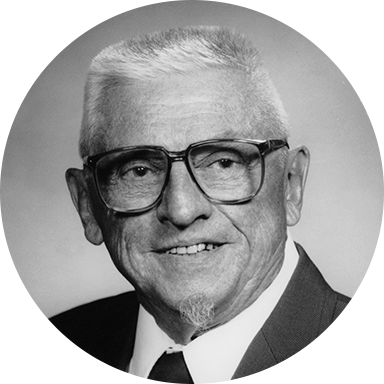
Edmund J. Siennicki

Edmund J. Siennicki (born 1920) grew up in Cleveland, Ohio, where a formative conversation with pianist Ignacy Jan Paderewski at age 12 shaped his musical direction. He earned his Bachelor's degree from Kent State University, where he composed Fight on for KSU, a march still performed at the university's football games. In 1994, Kent State honored him with the Distinguished Alumnus Award from the School of Music.

Siennicki studied composition with Herbert Elwell and electronic music with Sergio Barroso, while consulting with renowned composer Vincent Persichetti. He pursued graduate work at Teachers College, Columbia University, earning his MA. As both a bassoon and piano player, he brought performer's insight to his compositional work. His catalog includes approximately 200 published compositions, many of which have won prizes in National School Orchestra composition contests. He has served on the faculty at Michigan and Kent State University, though his deepest teaching roots remain in Cleveland's junior high schools, where he dedicated himself to building young musicians' foundations. He continues composing, visiting schools, and leading clinics.

Why we love this

Siennicki designed this piece with real classroom logic: the piano part sits comfortably within a beginning accompanist's reach, allowing one skilled student to support multiple soloists across the year. The preparatory warm-up exercise included for young pianists turns the accompaniment itself into a teaching tool, deepening their technical foundation while they learn to support a soloist.

What to expect

Charming and characterful, with the musical personality evoked by its title. The piece captures playfulness and movement appropriate to early study without talking down to young musicians.

Who it's for

Beginning keyboard/electronic keyboard players who are ready for their first accompanied solo, or young pianists gaining experience as accompanists. The piece works equally well for middle-school students in their first or second year of private study, whether they're performing as soloists or taking on the accompanying role.

How to get the most out of it

  • Have the piano accompanist practice the warm-up exercise on the final page before learning the full accompaniment; it builds finger independence and prepares the hand position for the main piece.
  • Balance the keyboard or piano volume so the solo instrument can project without strain; this teaches the soloist confidence in their tone and the accompanist sensitivity to blend.
  • Rehearse the introduction together multiple times so the soloist hears where their entry falls and develops secure rhythmic cues from the keyboard part.

How to use it

Feature this in a studio recital or school concert where multiple students can perform their own solo instrument version with the same accompanist, creating variety for the audience while building collaborative learning. Its accessible level and short duration make it ideal for a young musician's first public performance.

Skills your students will build

  • Reading and performing a solo line with rhythmic accuracy and phrasing
  • Listening to an accompaniment and maintaining secure tempo
  • Playing a written keyboard accompaniment that supports rather than doubles the solo
  • Hand independence and finger dexterity through the accompanist warm-up exercise
  • Collaborative ensemble awareness between soloist and accompanist

You May Also Like