The Rooster Cover Image

The Rooster: Tuba, Solo with Piano, Solo and Piano

$4.95 USD
Sale price  $4.95 USD Regular price 
Skip to product information
The Rooster Cover Image

The Rooster: Tuba, Solo with Piano, Solo and Piano

By Edmund J. Siennicki

Grade: 1

Item: 36-10550468

$4.95
Shipped

One moment…

Description
This work for the beginning instrumentalist, available for numerous different solo instruments with piano, includes a piano accompaniment that can be performed by a one or two year private study middle-school level piano student. The variety of solo instrument parts makes it possible for one student to accompany many different students. A preparatory "warm-up" exercise for young accompanists is printed on the last page of the piano part. This solo can also be found in all instrument versions of the Competition Solos series, Book 1.

The Rooster: Tuba, Solo with Piano, Solo and Piano isn't in MakeMusic Cloud just yet...but it could be. Let us know you'd like to see it, and you'll help shape what comes next. In the meantime, start a free trial and dive into thousands of interactive titles your students can play along with today.

Sample Pages

No sample pages found.

Sample Audio
No sample audio found.
Sample Video
Additional Details
Series: LudwigMasters Brass Series
Publisher: Keiser Productions, Inc.
ISBN10: 8-89-563268-0
ISBN13: 979-8-89-563268-0
UPC: 660355097737
SKU: 36-10550468
Instrumentation: Tuba and Piano

More about this title

About the Composer: Edmund J. Siennicki
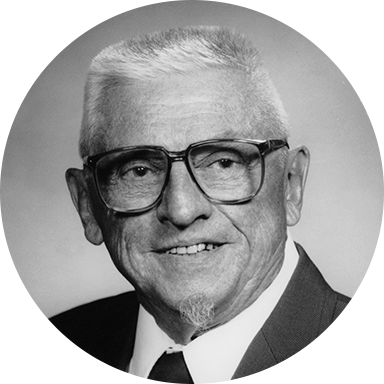
Edmund J. Siennicki

Edmund J. Siennicki was born in Cleveland, Ohio in 1920, where a chance meeting with legendary pianist Ignacy Jan Paderewski at age twelve shaped his artistic direction for decades to come. He completed his Bachelor's degree at Kent State University, composing the school's fight song, "Fight on for KSU," which continues to be performed at athletic events. Later he earned his MA from Teachers College at Columbia University, studying composition with Herbert Elwell and electronic music with Sergio Barroso while consulting with Vincent Persichetti.

As a performer, Siennicki played bassoon and piano professionally while building a teaching career primarily in Cleveland's junior high schools, with additional faculty positions at Michigan and Kent State University. His compositional output numbers approximately 200 works, many of which have won prizes in National School Orchestra composition competitions. He served as composer in residence at the MacDowell Colony twice and has received consecutive ASCAP awards for over two decades. He continues composing, visiting schools, and conducting clinics.

Why we love this

Siennicki wrote this solo with genuine understanding of what beginning tuba students need: straightforward melodic material that sits comfortably on the instrument, paired with a piano accompaniment so accessible that a second-year piano student can manage it confidently. The inclusion of a warm-up exercise for young accompanists shows his commitment to making collaborative music-making possible for students still building their skills, turning what could be a technical burden into a learning opportunity.

What to expect

The rooster's character emerges through bright, declarative phrases that capture the instrument's natural personality. The writing is direct and unpretentious, allowing the tuba's warm tone to shine without demanding virtuosity, creating a performance that feels genuine and age-appropriate.

Who it's for

Beginning tuba students in grades 6-8 preparing their first solo performances, particularly those paired with pianists at similar levels. This is equally valuable for young piano students seeking accessible accompaniment repertoire that builds confidence without overwhelming technique.

How to get the most out of it

  • Work with your pianist on establishing a steady tempo before you begin; the accompaniment patterns are simple but require consistent pulse to support the tuba line.
  • Shape the melodic line with gentle dynamic contours rather than playing at a uniform volume throughout; this helps the solo sing despite its beginner-friendly range.
  • Give your pianist time to prepare between rehearsals by providing clear markings of any fermatas or slight tempo adjustments you plan to make.

How to use it

Include this in a full recital devoted to beginning soloists, or pair it with other pieces from the Competition Solos series Book 1 for varied instruments, showcasing how one thoughtfully written accompaniment can support an entire ensemble of young performers. It also works well as a closing piece in a student recital, leaving audiences with something memorable and characterful.

Skills your students will build

  • Sustaining a singing line on tuba using air flow and phrasing
  • Navigating rhythmic figures in elementary time signatures (likely 2/4 or 4/4)
  • Collaborating with a pianist and responding to accompaniment
  • Communicating musical intent through basic dynamic and articulation choices

You May Also Like