The Rooster Cover Image

The Rooster: Flute, Solo with Piano, Solo with Piano

$4.95 USD
Sale price  $4.95 USD Regular price 
Skip to product information
The Rooster Cover Image

The Rooster: Flute, Solo with Piano, Solo with Piano

By Edmund J. Siennicki

Grade: 1

Item: 36-10410468

$4.95
Shipped

One moment…

Description
This work for the beginning instrumentalist, available for numerous different solo instruments with piano, includes a piano accompaniment that can be performed by a one or two year private study middle-school level piano student. The variety of solo instrument parts makes it possible for one student to accompany many different students. A preparatory "warm-up" exercise for young accompanists is printed on the last page of the piano part. This solo can also be found in all instrument versions of the Competition Solos series, Book 1.

The Rooster: Flute, Solo with Piano, Solo with Piano isn't in MakeMusic Cloud just yet...but it could be. Let us know you'd like to see it, and you'll help shape what comes next. In the meantime, start a free trial and dive into thousands of interactive titles your students can play along with today.

Sample Pages

No sample pages found.

Sample Audio
No sample audio found.
Sample Video
Additional Details
Series: LudwigMasters Woodwind Series
Publisher: Keiser Productions, Inc.
ISBN10: 1-62-156418-5
ISBN13: 978-1-62-156418-8
UPC: 660355186646
SKU: 36-10410468
Instrumentation: Flute and Piano

More about this title

About the Composer: Edmund J. Siennicki
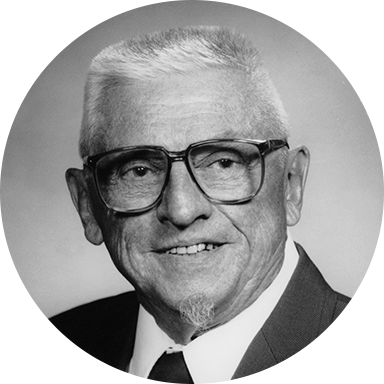
Edmund J. Siennicki

Edmund J. Siennicki (born 1920) grew up in Cleveland, Ohio, where a formative conversation with pianist Ignacy Jan Paderewski at age twelve shaped his musical direction. He earned his Bachelor's degree from Kent State University, where he composed the school's fight song, still performed at football games today. His graduate training at Teachers College, Columbia University, included composition study with Herbert Elwell, electronic music work with Sergio Barroso, and consultation with Vincent Persichetti.

A versatile musician who performed on bassoon and piano, Siennicki built a teaching career centered in Cleveland's junior high schools while also serving on the faculties at Michigan and Kent State University. His compositions have won recognition in National School Orchestra contests and twice earned him residencies at the MacDowell Colony. With approximately 200 published works and two decades of consecutive ASCAP awards, he remains an active composer and clinician.

Why we love this

Siennicki understood what beginning flute players and their accompanists actually need. The piano part stays manageable for a young student, yet the flute line sounds complete and musical without requiring advanced technique. This pairing makes it genuinely practical for school programs where one accomplished young pianist can support multiple beginning soloists.

What to expect

Charming and straightforward, with the character suggested by its title woven into a melodic line that feels natural under the fingers. The accompaniment provides gentle harmonic support that lets the flute melody emerge clearly, creating a miniature that's genuinely musical despite its accessible scope.

Who it's for

Beginning flute students ready for their first accompanied solo experience, typically in grades 4-6 or within the first year of study. The piece also serves young pianists who are developing accompaniment skills and need accessible repertoire that sounds rewarding without excessive technical demands.

How to get the most out of it

  • Establish a steady tempo with the pianist during rehearsal; the accompaniment pattern drives the harmonic foundation, so rhythmic clarity between parts is essential.
  • Shape the opening phrase with gentle phrasing rather than aggressive articulation; the character benefits from a singing approach even at this introductory level.
  • Give the pianist a clear entrance cue before you begin; eye contact and a preparatory breath set up the accompaniment cleanly.

How to use it

Program this for a spring recital or school concert moment where beginning soloists can showcase paired playing without upstaging more advanced repertoire. It works equally well as a confidence-building solo in a solo and ensemble festival or as part of a mixed-level student recital where beginning players take the spotlight.

Skills your students will build

  • Phrasing and breath placement in a sung melodic context
  • Rhythmic coordination between soloist and accompanist
  • Listening to and balancing with a piano part
  • Performance confidence in a duo setting

You May Also Like