The Rooster Cover Image

The Rooster: Alto Saxophone, Solo with Piano, Book

$4.95 USD
Sale price  $4.95 USD Regular price 
Skip to product information
The Rooster Cover Image

The Rooster: Alto Saxophone, Solo with Piano, Book

By Edmund J. Siennicki

Grade: 1

Item: 36-10450468

$4.95
Shipped

One moment…

Description
This work for the beginning instrumentalist, available for numerous different solo instruments with piano, includes a piano accompaniment that can be performed by a one or two year private study middle-school level piano student. The variety of solo instrument parts makes it possible for one student to accompany many different students. A preparatory "warm-up" exercise for young accompanists is printed on the last page of the piano part. This solo can also be found in all instrument versions of the Competition Solos series, Book 1.

The Rooster: Alto Saxophone, Solo with Piano, Book isn't in MakeMusic Cloud just yet...but it could be. Let us know you'd like to see it, and you'll help shape what comes next. In the meantime, start a free trial and dive into thousands of interactive titles your students can play along with today.

Sample Pages

No sample pages found.

Sample Audio
No sample audio found.
Sample Video
Additional Details
Series: LudwigMasters Woodwind Series
Publisher: Keiser Productions, Inc.
ISBN10: 8-89-563265-6
ISBN13: 979-889-563-2659
UPC: 659859302751
SKU: 36-10450468
Instrumentation: Alto Saxophone and Piano

More about this title

About the Composer: Edmund J. Siennicki
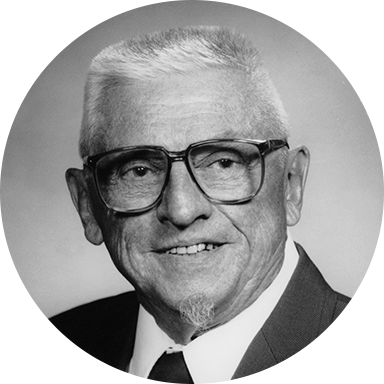
Edmund J. Siennicki

Edmund J. Siennicki was born in Cleveland, Ohio in 1920 and developed his musical sensibility early. At twelve years old, he met the legendary pianist Ignacy Jan Paderewski, an encounter that profoundly shaped his artistic direction and commitment to music.

Siennicki earned his Bachelor's degree from Kent State University, where he composed the school's fight song, still performed at football games today. He went on to study composition with Herbert Elwell and electronic music with Sergio Barroso at Teachers College, Columbia University, while consulting with the distinguished Vincent Persichetti. As both performer and educator, he played bassoon and piano professionally and taught in Cleveland's junior high schools for much of his career, while also serving on the faculty at Michigan and Kent State University. His body of work includes approximately 200 published compositions, many prize winners in national school orchestra contests. He has been a two-time composer in residence at the MacDowell Colony and has received special recognition from ASCAP for two decades.

Why we love this

Siennicki designed this piece specifically for young players moving into their first solo experiences. The accompaniment is genuinely playable by a beginning pianist (one to two years of study), which means your middle school piano students can become collaborators in the learning process rather than obstacles to rehearsal. The clever inclusion of a warm-up exercise on the final page of the piano part gives your accompanists exactly what they need without requiring a separate book.

What to expect

The piece captures the spirited, strutting character of a rooster with bright articulations and a simple, memorable melody that sits comfortably in the alto's early range. There's humor and personality here, even at this beginner level; the rooster feels almost cartoonish, which frees young players to perform with confidence and joy rather than anxiety.

Who it's for

This is an ideal first solo for alto saxophone students in their first or second year of instrumental study. It works equally well for a standalone recital, a student showcase, or as part of a school concert where multiple student soloists share the same pianist.

How to get the most out of it

  • Work with your pianist on the rhythmic foundation before combining parts. The accompaniment's steady pulse becomes the framework for your solo line, so lock that in together first.
  • Shape the melodic contours naturally rather than playing mechanically through the phrase. Even at grade 1, you have room to breathe and let the character of the rooster come through.
  • Practice the bridge sections where your part and the piano have different rhythmic figures. These moments require listening and adjustment, not just accuracy.
  • Give your accompanist genuine feedback during rehearsals. Beginning pianists benefit from knowing when they've nailed the support you need.

How to use it

Feature this as part of a "First Solos" concert or mixed recital where several beginner saxophonists each perform with the same piano accompanist. The piece's short length and light character make it perfect for an opening or closing slot that energizes an audience without demanding heavy emotional weight.

Skills your students will build

  • Reading within a narrow range and establishing consistent tone quality in early register passages
  • Coordinating entrances and phrase endings with a live pianist
  • Articulating in patterns (staccato and legato differentiation)
  • Maintaining steady tempo against accompaniment rhythms

You May Also Like