The Rooster Cover Image

The Rooster: Trombone/ Euphonium, Solo with Piano, Book

$4.95 USD
Sale price  $4.95 USD Regular price 
Skip to product information
The Rooster Cover Image

The Rooster: Trombone/ Euphonium, Solo with Piano, Book

By Edmund J. Siennicki

Grade: 1

Item: 36-10540468

$4.95
Shipped

One moment…

Description
This work for the beginning instrumentalist, available for numerous different solo instruments with piano, includes a piano accompaniment that can be performed by a one or two year private study middle-school level piano student. The variety of solo instrument parts makes it possible for one student to accompany many different students. A preparatory "warm-up" exercise for young accompanists is printed on the last page of the piano part. This solo can also be found in all instrument versions of the Competition Solos series, Book 1.

The Rooster: Trombone/ Euphonium, Solo with Piano, Book isn't in MakeMusic Cloud just yet...but it could be. Let us know you'd like to see it, and you'll help shape what comes next. In the meantime, start a free trial and dive into thousands of interactive titles your students can play along with today.

Sample Pages

No sample pages found.

Sample Audio
No sample audio found.
Sample Video
Additional Details
Series: LudwigMasters Brass Series
Publisher: Keiser Productions, Inc.
ISBN10: 8-89-563267-2
ISBN13: 979-889-563-2673
UPC: 659859305660
SKU: 36-10540468
Instrumentation: Euphonium B.C. and Piano

More about this title

About the Composer: Edmund J. Siennicki
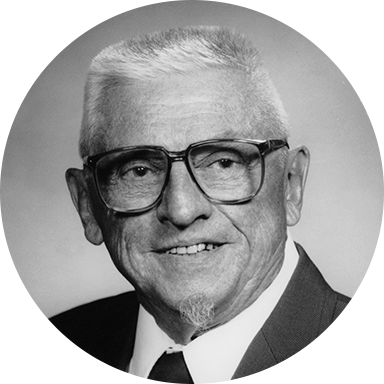
Edmund J. Siennicki

Edmund J. Siennicki was born in Cleveland, Ohio in 1920 and developed a lifelong commitment to composition and music education. A formative encounter with the legendary pianist Ignacy Jan Paderewski at age twelve shaped his artistic direction and led him to formal study at Kent State University, where he earned his Bachelor's degree and composed the school's fight song, which continues to be performed at football games today.

Siennicki earned his Master's degree from Teachers College at Columbia University and studied composition with Herbert Elwell, electronic music with Sergio Barroso, and received guidance from Vincent Persichetti. As a performer, he worked professionally on bassoon and piano. His compositional output includes roughly 200 published works, many of which have earned recognition in National School Orchestra composition contests. He served on the faculty at Michigan and Kent State University while dedicating much of his career to music education in Cleveland's junior high schools. In recognition of his sustained creative work, he has received special awards from ASCAP for more than two decades and was twice appointed composer in residence at the MacDowell Colony.

Why we love this

Siennicki designed this solo specifically for young brass players and their accompanists, which means every detail works for real middle school musicians. The piano part is genuinely playable by a first or second year student, making it possible for one pianist to support an entire section of soloists without requiring advanced keyboard skills. This practical approach to ensemble and solo building makes it an intelligent choice for directors managing limited accompanist resources.

What to expect

The Rooster carries a bright, character-driven quality that captures the energy of its title without resorting to obvious imitation. The solo sits comfortably in the range and register where beginning brass students develop tone and musicality, with a rhythmic vitality that keeps both performer and listener engaged. The piano accompaniment provides harmonic support that feels genuine rather than perfunctory, giving the soloist a real musical partner.

Who it's for

This solo belongs in the hands of beginning trombone and euphonium students who are ready to step beyond etudes and into solo literature. The straightforward technical demands and musical clarity make it ideal for early recital experience, while the accessible piano part means you're not dependent on an advanced accompanist. It works equally well in solo festivals, studio recitals, or as part of a multi-soloist student concert.

How to get the most out of it

  • Coordinate with your pianist before rehearsal to ensure both parts are at the same tempo; use a metronome during initial run-throughs to establish a steady foundation.
  • Have your trombone or euphonium student shape phrases with gentle dynamics rather than playing the solo with a uniform tone from beginning to end.
  • Work the preparatory warm-up exercise printed on the final page of the piano part with your accompanist; it builds confidence and evenness before the performance begins.
  • Listen critically to how the solo line sits against the piano's harmonic foundation; adjust balance so the melody projects without overwhelming the accompaniment.

How to use it

Consider programming this when you have multiple beginning soloists preparing for their first recital experience; one accompanist can support several students across an evening. It also works well as part of a themed concert showcasing young soloists in standard solo repertoire, where students can experience live accompaniment without taxing advanced musicians. The modest technical requirements allow you to schedule it without holding up rehearsal time for more advanced ensembles.

Skills your students will build

  • Phrasing and musical shape at beginning levels
  • Ensemble balance with a piano accompanist
  • Sustained tone production over complete phrases
  • Reading in concert pitch for trombone and euphonium
  • Solo performance confidence and stage presence

You May Also Like