The Rooster Cover Image

The Rooster: Oboe, Solo with Piano, Book

$4.95 USD
Sale price  $4.95 USD Regular price 
Skip to product information
The Rooster Cover Image

The Rooster: Oboe, Solo with Piano, Book

By Edmund J. Siennicki

Grade: 1

Item: 36-10420468

$4.95
Shipped

One moment…

Description
This work for the beginning instrumentalist, available for numerous different solo instruments with piano, includes a piano accompaniment that can be performed by a one or two year private study middle-school level piano student. The variety of solo instrument parts makes it possible for one student to accompany many different students. A preparatory "warm-up" exercise for young accompanists is printed on the last page of the piano part. This solo can also be found in all instrument versions of the Competition Solos series, Book 1.

The Rooster: Oboe, Solo with Piano, Book isn't in MakeMusic Cloud just yet...but it could be. Let us know you'd like to see it, and you'll help shape what comes next. In the meantime, start a free trial and dive into thousands of interactive titles your students can play along with today.

Sample Pages

No sample pages found.

Sample Audio
No sample audio found.
Sample Video
Additional Details
Series: LudwigMasters Woodwind Series
Publisher: Keiser Productions, Inc.
ISBN10: 8-89-563263-X
ISBN13: 979-889-563-2635
UPC: 659859301549
SKU: 36-10420468
Instrumentation: Oboe and Piano

More about this title

About the Composer: Edmund J. Siennicki
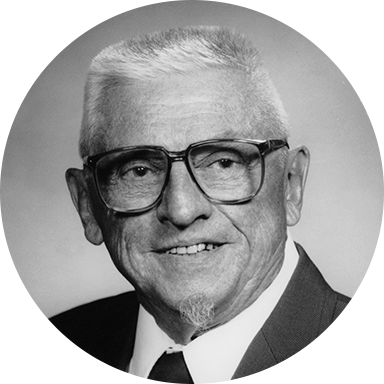
Edmund J. Siennicki

Edmund J. Siennicki was born in Cleveland, Ohio in 1920 and spent his formative years in a household that valued music deeply. At age 12, he had a pivotal conversation with pianist Ignacy Jan Paderewski that shaped his artistic direction for decades to come. He earned his Bachelor's degree from Kent State University, where he composed the fight song still performed at football games, and later completed his MA at Teachers College, Columbia University.

Siennicki studied composition with Herbert Elwell, explored electronic music with Sergio Barroso, and collaborated with Vincent Persichetti. As a performer, he worked professionally as a bassoonist and pianist. His compositional voice has been recognized with prizes in National School Orchestra contests and two residencies at the MacDowell Colony. With approximately 200 published compositions and two decades of ASCAP special awards, he has built a substantial catalog. His teaching legacy centers on Cleveland's junior high schools, though he has also served on faculty at Michigan and Kent State University.

Why we love this

Siennicki has written a piece that respects the beginner oboist without patronizing them. The piano accompaniment sits squarely in the reach of a first or second-year piano student, which means your oboists aren't waiting for an advanced musician or a teacher to make the piece come alive.

What to expect

A lighthearted narrative that unfolds with character and charm. The musical imagery evokes the scene suggested by the title, with melodic lines that are singable and expressive enough to carry the story without overwhelming technical demands.

Who it's for

Beginning oboists in the first or second year of study who are ready to experience the satisfaction of performing a complete solo. The matching piano part also makes this ideal for young pianists seeking early accompaniment experience.

How to get the most out of it

  • Spend time with the oboe line separately before adding the piano; ensure steady air support through longer phrases and clean articulation on the principal melody.
  • Have the pianist work through the preparatory warm-up exercise on the final page before rehearsals begin to build confidence with the accompaniment's rhythmic patterns and hand position.
  • Balance tone production so the oboe voice projects clearly over the piano; the piece works best when the accompaniment supports rather than overshadows the solo line.

How to use it

Feature this as part of a student recital or informal performance where emerging soloists share newly developed skills. Its modest length and accessible difficulty make it ideal for middle school concerts, studio showcases, or chamber performance contexts where multiple young musicians can contribute.

Skills your students will build

  • Phrasing and lyrical line shaping on oboe
  • Steady tone production across the oboe's comfortable low and middle register
  • Coordination between soloist and accompanist
  • Basic ensemble listening and balance
  • Early accompaniment technique for piano students

You May Also Like