The Rooster Cover Image

The Rooster: Bassoon, Solo with Piano, Book

$4.95 USD
Sale price  $4.95 USD Regular price 
Skip to product information
The Rooster Cover Image

The Rooster: Bassoon, Solo with Piano, Book

By Edmund J. Siennicki

Grade: 1

Item: 36-10430468

$4.95
Shipped

One moment…

Description
This work for the beginning instrumentalist, available for numerous different solo instruments with piano, includes a piano accompaniment that can be performed by a one or two year private study middle-school level piano student. The variety of solo instrument parts makes it possible for one student to accompany many different students. A preparatory "warm-up" exercise for young accompanists is printed on the last page of the piano part. This solo can also be found in all instrument versions of the Competition Solos series, Book 1.

The Rooster: Bassoon, Solo with Piano, Book isn't in MakeMusic Cloud just yet...but it could be. Let us know you'd like to see it, and you'll help shape what comes next. In the meantime, start a free trial and dive into thousands of interactive titles your students can play along with today.

Sample Pages

No sample pages found.

Sample Audio
No sample audio found.
Sample Video
Additional Details
Series: LudwigMasters Woodwind Series
Publisher: Keiser Productions, Inc.
ISBN10: 1-62-156420-7
ISBN13: 978-162-156-4201
UPC: 659859301891
SKU: 36-10430468
Instrumentation: Bassoon and Piano

More about this title

About the Composer: Edmund J. Siennicki
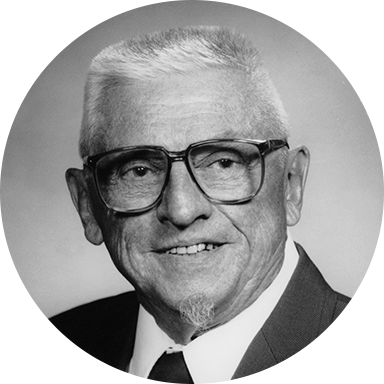
Edmund J. Siennicki

Edmund J. Siennicki grew up in Cleveland, Ohio, where a formative conversation with pianist Ignacy Jan Paderewski at age twelve shaped his musical path. He earned his Bachelor's degree from Kent State University, where he composed Fight on for KSU, a piece that remains part of the university's football game traditions. His graduate studies at Teachers College, Columbia University, included composition study with Herbert Elwell, electronic music with Sergio Barroso, and consultation with Vincent Persichetti.

Siennicki's career combined performing (bassoon and piano) with teaching, primarily in Cleveland's junior high schools and later at Michigan and Kent State University. His catalog includes roughly 200 published compositions, many winning prizes in National School Orchestra composition contests. He received two residencies at the MacDowell Colony and has been recognized by ASCAP for two decades. He continues composing, visiting schools, and conducting clinics.

Why we love this

This piece perfectly balances accessibility with genuine musicality, offering young bassoonists an accompaniment that doesn't talk down to them. The piano part is genuinely playable by an early intermediate student, which means your accompanist gains real experience rather than struggling through something beyond their level. Because the same piano book works for multiple instrument solos, you can build a small ensemble library without multiplying your accompaniment costs.

What to expect

The rooster's crow emerges with character and personality, bringing a touch of humor and vitality to the concert stage. The piece captures the spirit of its animal subject without becoming overly descriptive, allowing the bassoon's warm, woody timbre to shine through.

Who it's for

Beginning bassoonists in grades 6-8 who are ready for their first solo experience, particularly those in private lessons or beginning band programs. This piece also works beautifully for a young pianist gaining accompaniment skills, since the piano part is written at an accessible level that builds confidence without overwhelming.

How to get the most out of it

  • Establish a steady pulse with your pianist before the first rehearsal; even young accompanists benefit from counting off clearly and maintaining consistent tempo throughout.
  • Focus on tone production over technical precision at this level; a warm, supported sound from the bassoon makes the musical line sing regardless of minor rhythmic imperfections.
  • Work through the preparatory warm-up exercise printed at the end of the piano part with your accompanist to build confidence and hand coordination before tackling the full solo.

How to use it

Feature this during a solo and ensemble showcase concert where beginning students can perform without competing against advanced repertoire. It also works as a valuable teaching tool in studio master classes, demonstrating how a Grade 1 piece still requires thoughtful musicianship and collaboration between soloist and accompanist.

Skills your students will build

  • Playing with a live accompanist and responding to another musician
  • Sustaining focused sound across phrase lines
  • Maintaining steady tempo in a performance context
  • Basic solo literature interpretation at the earliest stage

You May Also Like