On the Pulse of Morning Cover Image

On the Pulse of Morning: Choral Octavo SoundTrax CD

$29.99 USD
Sale price  $29.99 USD Regular price 
Skip to product information
On the Pulse of Morning Cover Image

On the Pulse of Morning: Choral Octavo SoundTrax CD

From Like Dust I Rise (A Choral Song Cycle)

Text by Maya Angelou, music by Mark Hayes

Item: 00-46414

$29.99
Shipped

One moment…

Description
In 1993, Maya Angelou recited this poem at the inauguration of President Bill Clinton, making her the first African American and the first female poet to deliver an inaugural recitation. Subsequently, Angelou's audio recording of "On the Pulse of Morning" won a Grammy Award® for "Best Spoken Word" in 1994. Mark Hayes opens with a resounding "See Me Rise" choral fanfare before presenting the hope-filled latter half of the poem with rhythmic exuberance. This is the opening movement from the song cycle Like Dust I Rise.

On the Pulse of Morning: Choral Octavo SoundTrax CD isn't in MakeMusic Cloud just yet...but it could be. Let us know you'd like to see it, and you'll help shape what comes next. In the meantime, start a free trial and dive into thousands of interactive titles your students can play along with today.

Sample Pages

No sample pages found.

Sample Audio

SATB Recording

0:00
0:00
Sample Video
Additional Details
Series: Alfred Choral Designs
Publisher: Alfred Music
UPC: 038081527932
SKU: 00-46414

More about this title

About the Composer: Mark Hayes
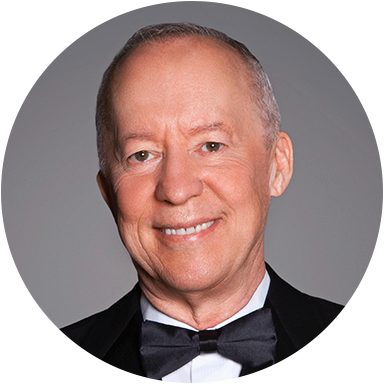
Mark Hayes

Mark Hayes has composed and arranged over 1,750 published works across every musical genre imaginable. A summa cum laude graduate in piano performance from Baylor University, Hayes built his reputation as both a concert pianist and conductor, leading honor choirs for regional music associations and serving as guest conductor at major venues including Lincoln Center, the National Cathedral, and Carnegie Hall. His sacred works, including his Te Deum, Magnificat, and Gloria, have become staples of choral programs nationwide.

Beyond choral music, Hayes's creative reach extends to orchestration, musical theater, and record production. He premiered his Requiem at Lincoln Center in 2013 and conducted it again in Rome at the Vatican-sponsored Festival Pro Musica E Arte Sacra. Baylor University recognized his leadership in Christian music with a special award in 2010. Whether composing at his Kansas City home or conducting across the globe, Hayes remains dedicated to creating music that speaks to both the intellect and the heart.

Why we love this

Hayes captures the visceral power of Angelou's words without overshadowing them. The opening "See Me Rise" fanfare sets an immediate tone of triumph and affirmation, while the rhythmic setting of the poem's latter half avoids the trap of becoming too precious or overly sentimental. This is accessible enough for intermediate choirs yet substantive enough to reward careful interpretation.

What to expect

The piece radiates quiet authority that builds to something larger than itself. You'll feel the ceremonial weight of that inaugural moment balanced against genuine optimism and forward motion. There's dignity here, but also genuine warmth and human connection.

Who it's for

Intermediate to advanced choirs seeking repertoire that honors a significant American historical moment while delivering authentic musical substance. Directors programming concerts around themes of hope, resilience, or social justice will find this piece both musically satisfying and dramatically coherent.

How to get the most out of it

  • The opening fanfare demands clarity and unified vowel formation across your ensemble; any murkiness in the initial "See Me Rise" undermines the proclamatory impact of those first moments.
  • Balance the rhythmic exuberance with textual clarity in the second section. The accompaniment track can sometimes mask diction, so rehearse without it until your consonants are sharp and your text painting is intentional.
  • Shape the dynamics across the larger arc of the poem rather than phrase by phrase. Angelou's voice contains authority and growth; your choir should reflect that journey.

How to use it

Open a concert with this work to set a contemplative yet hopeful tone for what follows, or place it strategically as the centerpiece of a program exploring American voices and contemporary identity. The historical significance and poetic depth make it equally effective in all-choral concerts or mixed arts presentations.

Skills your students will build

  • Singing rhythmically complex passages with musical vitality and precision
  • Balancing diction and musicality in text-driven composition
  • Interpreting historical and literary context through vocal performance
  • Sustaining tonal unity across ensemble while executing dynamic shifts

You May Also Like