On the Pulse of Morning Cover Image

On the Pulse of Morning: Choral SoundPax

$50.00 USD
Sale price  $50.00 USD Regular price 
Skip to product information
On the Pulse of Morning Cover Image

On the Pulse of Morning: Choral SoundPax

From Like Dust I Rise (A Choral Song Cycle)

Text by Maya Angelou, music by Mark Hayes

Item: 00-DIGPX00051

makemusic Cloud badge

Need it now?

Buy Digital Version
$50.00
Shipped

One moment…

Description
In 1993, Maya Angelou recited this poem at the inauguration of President Bill Clinton, making her the first African American and the first female poet to deliver an inaugural recitation. Subsequently, Angelou's audio recording of "On the Pulse of Morning" won a Grammy Award® for "Best Spoken Word" in 1994. Mark Hayes opens with a resounding "See Me Rise" choral fanfare before presenting the hope-filled latter half of the poem with rhythmic exuberance. This is the opening movement from the song cycle Like Dust I Rise.

Don't just read it, hear it, play along with it, and watch your students grow with it. In MakeMusic Cloud, On the Pulse of Morning: Choral SoundPax comes alive with professional accompaniment, adjustable tempo, and built-in practice tools that turn solo practice into real progress.

Sample Pages

Sample Audio
No sample audio found.
Sample Video
Additional Details
Series: Alfred Choral Designs
Publisher: Alfred Music
Page Count: 64
UPC: 038081532110
SKU: 00-DIGPX00051
Instrumentation: SoundPax

More about this title

About the Composer: Mark Hayes
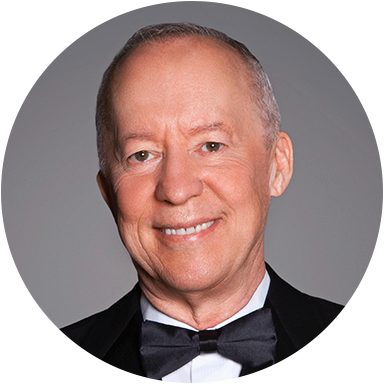
Mark Hayes

Mark Hayes has composed, arranged, and conducted over 1,750 published works spanning sacred and secular genres. A summa cum laude graduate of Baylor University's piano performance program, he has served as guest conductor at Lincoln Center, the National Cathedral, and Carnegie Hall, where his large-scale choral works like Te Deum, Magnificat, and Gloria have received major performances. In 2010, Baylor University honored him with the Award for Exemplary Leadership in Christian Music.

Beyond choral music, Hayes is a prolific piano composer with over 100 books in print across gospel, classical, jazz, and Broadway styles. His theatrical work includes orchestrations for the musical Madame Buttermilk and the musical score for Civil War Voices, which won six awards at the Midtown International Theatre Festival in New York City in 2010. He has premiered major works internationally, including his Requiem at Lincoln Center in 2013 and a commissioned anniversary work in Hong Kong in 2015.

Why we love this

Hayes transforms Angelou's historic poem into a choral statement that honors both the text's gravity and its triumphant message. The opening fanfare immediately establishes the piece as something significant, and the shift into rhythmic exuberance for the poem's hope-filled conclusion gives singers genuine emotional arc rather than treating the text as decoration.

What to expect

The opening fanfare feels like a call, a moment of gathering strength. When the rhythmic energy enters, the music pivots into something celebratory and forward-moving, mirroring Angelou's shift from declaration to hope. Throughout, there's a sense of occasion and importance without ever becoming overwrought.

Who it's for

This piece belongs in the repertoire of any choir seeking to program meaningful secular texts with musical substance. Intermediate to advanced ensembles will find the writing accessible yet rewarding; the combination of Angelou's inaugural poem and Hayes's direct, energetic setting makes this appropriate for concert programs focused on themes of unity, hope, and social significance.

How to get the most out of it

  • Anchor the "See Me Rise" fanfare with confidence; this opening sets the entire tone and deserves full ensemble commitment from the first note.
  • Let the rhythmic sections breathe naturally without rushing. Hayes's exuberance works best when the pulse feels organic, not mechanical.
  • Use the recorded accompaniment to lock the ensemble's entries, especially important in the transition between the fanfare and the rhythmic latter half.
  • Consider how dynamics shape the arc of Angelou's words. The fanfare demands power, but the subsequent material will land harder if you build intelligently rather than staying at one volume throughout.

How to use it

This works powerfully as a concert opener that immediately establishes the seriousness of your season, or as the centerpiece of a program exploring African American voices and literature. Its thematic connection to peace, brotherhood, and human dignity makes it suitable for civic occasions, cultural celebrations, or any concert where you want to affirm values larger than entertainment alone.

Skills your students will build

  • Singing with rhythmic precision in syncopated passages
  • Interpreting poetic text with musical intention and phrasing
  • Balancing ensemble blend across dramatic dynamic shifts
  • Understanding historical context and cultural significance in choral performance
  • Responding to recorded accompaniments with independence and clarity

You May Also Like
