On the Pulse of Morning Cover Image

On the Pulse of Morning: SATB Choral Octavo

$1.90 USD
Sale price  $1.90 USD Regular price 
Skip to product information
On the Pulse of Morning Cover Image

On the Pulse of Morning: SATB Choral Octavo

From Like Dust I Rise (A Choral Song Cycle)

Text by Maya Angelou, music by Mark Hayes

Item: 00-46411

makemusic Cloud badge

Need it now?

Buy Digital Version
$1.90
Shipped

One moment…

Description
In 1993, Maya Angelou recited this poem at the inauguration of President Bill Clinton, making her the first African American and the first female poet to deliver an inaugural recitation. Subsequently, Angelou's audio recording of "On the Pulse of Morning" won a Grammy Award® for "Best Spoken Word" in 1994. Mark Hayes opens with a resounding "See Me Rise" choral fanfare before presenting the hope-filled latter half of the poem with rhythmic exuberance. This is the opening movement from the song cycle Like Dust I Rise.

Don't just read it, hear it, play along with it, and watch your students grow with it. In MakeMusic Cloud, On the Pulse of Morning: SATB Choral Octavo comes alive with professional accompaniment, adjustable tempo, and built-in practice tools that turn solo practice into real progress.

Sample Pages

Sample Audio
1 Audio File --:--
2 SATB Recording --:--

Audio File

0:00
0:00
Sample Video
Additional Details
Series: Alfred Choral Designs
Publisher: Alfred Music
Page Count: 12
UPC: 038081527901
SKU: 00-46411

More about this title

About the Composer: Mark Hayes
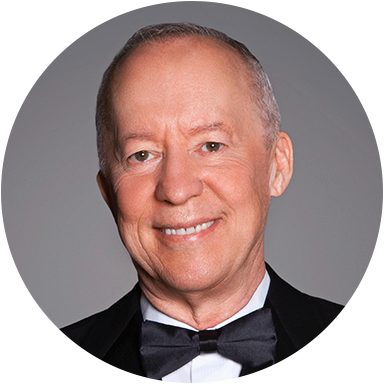
Mark Hayes

Mark Hayes has established himself as a prolific composer and arranger with more than 1,750 published works across multiple genres. A summa cum laude graduate of Baylor University's Piano Performance program, Hayes brings both classical training and versatility to his compositions, from sacred choral cycles to Broadway orchestrations. His work has been performed at major venues including Lincoln Center, Carnegie Hall, and the National Cathedral, and he received the Baylor University Award for Exemplary Leadership in Christian Music in 2010.

Beyond composition, Hayes is an accomplished conductor who has premiered his own large-scale works, including his Requiem at Lincoln Center in 2013 and again at St. Ignatius Basilica in Rome as part of a Vatican-sponsored festival. His creative reach extends to musical theater, film scoring, and an extensive catalog of piano works spanning gospel, jazz, classical, and popular styles. Based in Kansas City, Missouri, Hayes continues to balance international performance engagements with his mission of creating music that serves both concert halls and community spaces.

Why we love this

Hayes's setting respects the gravitas of Angelou's text while delivering the visceral energy her words demand. The opening "See Me Rise" fanfare arrests attention immediately, establishing the piece as an anthem rather than a quiet reflection, then pivots to let the rhythmic exuberance of the hope-filled latter section carry the message forward. Programming this opener from the broader song cycle gives you a complete statement that stands on its own while inviting your singers into a genuine encounter with one of the most significant American poems of the twentieth century.

What to expect

Urgent and celebratory in equal measure. The opening burst feels almost ceremonial, as if the entire ensemble is bearing witness to something momentous. Once the rhythm takes hold, the piece becomes kinetic and forward-moving, infused with the kind of hope that asks something of the listener rather than simply comforting them.

Who it's for

Any SATB ensemble ready to tackle a piece rooted in genuine American history and vocal ambition. This works for high school choirs with advanced singers, collegiate programs seeking meaningful secular repertoire, and community choirs drawn to works with literary and cultural substance.

How to get the most out of it

  • Treat the opening fanfare as a genuine declaration. Your sopranos and altos need full voice on "See Me Rise," not a tentative entry. The power here is the point.
  • The recorded accompaniment provides a rhythmic anchor for the middle section; use it to lock ensemble precision if your pianists are still solidifying the part, then gradually pull back the reliance as singers gain confidence.
  • Shape the dynamic trajectory from the fanfare's peak downward and then back up through the latter section. Avoid plateauing; let the rhythm section naturally build momentum as the text returns to its themes of rising and hope.
  • Pay particular attention to text clarity in the rhythmically driven passages. Eight sopranos singing florid lines over a syncopated accompaniment will muddy quickly without crisp articulation and sustained vowels.

How to use it

This is a natural concert opener for a program exploring American voices, identity, or social justice themes. You might pair it with other settings of African American poetry or literature, or program it alongside spiritual arrangements to create a thematic arc. Its twelve pages and ceremonial character also make it suitable for a school assembly, recognition event, or commemoration where music needs to carry real weight.

Skills your students will build

  • Balancing fanfare articulation with legit vocal tone production
  • Rhythmic precision in syncopated ensemble writing
  • Dynamic control and shaping across extended phrases
  • Text clarity and diction in rapid rhythmic passages
  • Connecting lyrical meaning to musical interpretation

You May Also Like
