On the Pulse of Morning Cover Image

On the Pulse of Morning: TTBB Choral Octavo

$1.90 USD
Sale price  $1.90 USD Regular price 
Skip to product information
On the Pulse of Morning Cover Image

On the Pulse of Morning: TTBB Choral Octavo

From Like Dust I Rise (A Choral Song Cycle)

Text by Maya Angelou, music by Mark Hayes

Item: 00-46413

makemusic Cloud badge

Need it now?

Buy Digital Version
$1.90
Shipped

One moment…

Description
In 1993, Maya Angelou recited this poem at the inauguration of President Bill Clinton, making her the first African American and the first female poet to deliver an inaugural recitation. Subsequently, Angelou's audio recording of "On the Pulse of Morning" won a Grammy Award® for "Best Spoken Word" in 1994. Mark Hayes opens with a resounding "See Me Rise" choral fanfare before presenting the hope-filled latter half of the poem with rhythmic exuberance. This is the opening movement from the song cycle Like Dust I Rise.

Don't just read it, hear it, play along with it, and watch your students grow with it. In MakeMusic Cloud, On the Pulse of Morning: TTBB Choral Octavo comes alive with professional accompaniment, adjustable tempo, and built-in practice tools that turn solo practice into real progress.

Sample Pages

Sample Audio
1 Audio File --:--
2 SATB Recording --:--

Audio File

0:00
0:00
Sample Video
Additional Details
Series: Alfred Choral Designs
Publisher: Alfred Music
Page Count: 12
UPC: 038081527925
SKU: 00-46413

More about this title

About the Composer: Mark Hayes
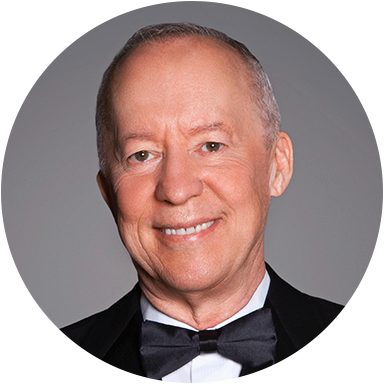
Mark Hayes

Mark Hayes has composed, arranged, and conducted over 1,750 published works spanning sacred and secular genres. A summa cum laude graduate in piano performance from Baylor University (1975), Hayes has guest conducted at major venues including Lincoln Center, the National Cathedral, and Carnegie Hall, while his compositions have been performed worldwide. His work earned recognition from Baylor University in 2010 with the Award for Exemplary Leadership in Christian Music, and he conducted the world premiere of his Requiem at Lincoln Center in 2013 before presenting it at St. Ignatius Basilica in Rome as part of a Vatican-sponsored festival in 2014.

Beyond choral music, Hayes is an accomplished orchestrator, record producer, and passionate advocate for piano composition, with over 100 piano publications in print ranging from gospel and classical to jazz and Broadway arrangements. He has written for theatrical works, including the musical score for Civil War Voices, which won six awards at the Midtown International Theatre Festival in New York City in 2010.

Why we love this

Hayes captures the monumental power of Angelou's words through a dramatic musical arc. The opening "See Me Rise" fanfare delivers immediate presence and purpose, then the composer shifts into rhythmically vibrant settings of the poem's hopeful second half, giving your singers substantive material that feels both contemporary and deeply moving.

What to expect

This piece opens with bold declaration, then unfolds into rhythmic energy and hope. Hayes's musical language feels contemporary and accessible while respecting the historical weight of Angelou's words, creating a performance that is both affirming and purposeful.

Who it's for

Directors leading TTBB ensembles or mixed choirs with flexible voicing (TB, TBB, or TTB options available) who want repertoire grounded in a significant historical and literary moment. This work suits ensembles with intermediate to advanced musicianship and singers mature enough to honor both the poem's gravity and its message of resilience.

How to get the most out of it

  • Shape the opening fanfare with clear articulation and dynamic intensity; Hayes relies on rhythmic precision here to establish the "rising" motion that the text and music both demand.
  • Balance the shift from the fanfare section into the gentler, rhythmic material by allowing the tempo and texture to breathe; the contrast is the piece's architectural strength.
  • Engage the text with deliberate intention throughout; Angelou's language carries weight, and your singers should feel the meaning behind every phrase rather than rushing through passages.
  • Use the recorded accompaniment to establish the rhythmic profile, especially in the second half where the accompaniment drives the forward momentum of the hope-filled text.

How to use it

Open a concert with this work to set a powerful, reflective tone that acknowledges both struggle and possibility. Its relatively modest length (12 pages) and thematic clarity make it an ideal anchor for a program exploring themes of identity, resilience, or social progress, or pair it with other spirituals and contemporary sacred works for a concert centered on voice and witness.

Skills your students will build

  • Interpreting literary text through music with emotional authenticity
  • Balancing rhythmic precision with expressive phrasing
  • Singing with confidence and projection in ensemble contexts
  • Understanding how composers reshape historical or poetic material into choral form
  • Flexible voicing adjustments (moving between TTBB, TTB, TBB, and TB configurations)

You May Also Like
