I Sing Out Cover Image

I Sing Out: TTBB Choral Octavo

$1.95 USD
Sale price  $1.95 USD Regular price 
Skip to product information
I Sing Out Cover Image

I Sing Out: TTBB Choral Octavo

Words and music by Mark Hayes

Item: 00-38103

makemusic Cloud badge

Need it now?

Buy Digital Version
$1.95
Shipped

One moment…

Description
From the sensitive opening solo, through the captivating textured polyphony, to the final choral refrain, this contemporary powerhouse teaches an inspiring lesson about the strength of song. "From the very best part of who I am, I sing out!"

Don't just read it, hear it, play along with it, and watch your students grow with it. In MakeMusic Cloud, I Sing Out: TTBB Choral Octavo comes alive with professional accompaniment, adjustable tempo, and built-in practice tools that turn solo practice into real progress.

Sample Pages

Sample Audio
0:00
0:00
Sample Video
Additional Details
Series: Alfred Choral Designs
Publisher: Alfred Music
Page Count: 16
UPC: 038081425757
SKU: 00-38103

More about this title

About the Composer: Mark Hayes
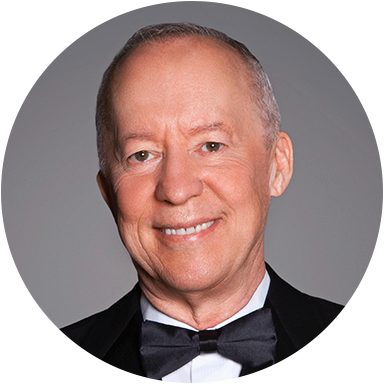
Mark Hayes

Mark Hayes has composed, arranged, and conducted over 1,750 published works across sacred and secular genres. A summa cum laude graduate in Piano Performance from Baylor University (1975), he has guest conducted at Lincoln Center, the National Cathedral, and Carnegie Hall, and premiered his Requiem at Lincoln Center in 2013 and later at St. Ignatius Basilica in Rome as part of a Vatican-sponsored festival.

Beyond choral music, Hayes is a prolific pianist and orchestrator whose catalog includes more than 100 piano books spanning gospel, classical, jazz, and Broadway styles. He has orchestrated musicals, composed for film and theater (including the award-winning Civil War Voices), and been commissioned for major institutional anniversaries. In 2010, Baylor University honored him with the Award for Exemplary Leadership in Christian Music.

Why we love this

Hayes crafts the kind of contemporary choral writing that feels both accessible and substantial, balancing a memorable textual hook with genuine musical sophistication. The opening solo creates immediate intimacy before the ensemble enters, which gives singers and audiences an anchor point. This is the sort of piece that sounds like it belongs in a concert program next to more classical fare, yet it connects to singers' and listeners' lives in a direct, unironic way.

What to expect

The music opens with introspection, almost confessional, before gradually building a collective voice. The textured polyphony creates richness without density, and the arc toward that final refrain feels genuinely earned rather than tacked on. There is warmth and affirmation in the musical language without sentimentality.

Who it's for

TTBB choirs seeking contemporary repertoire with depth and accessibility. This piece works for high school through community and church ensembles with moderate vocal ranges and basic four-part harmony experience.

How to get the most out of it

  • Shape the opening solo with genuine vulnerability before the choir enters; this moment sets the emotional tone for everything that follows.
  • Attend to the textural shifts carefully. The polyphonic writing in the middle section requires clean entrances and clear voice independence, so invest rehearsal time in those transitions.
  • Balance the final choral refrain so the message lands with conviction without oversinging. The power comes from unified intent, not volume.
  • If using the recorded accompaniment, rehearse with it early so singers internalize the harmonic framework and can respond naturally to the accompanist's phrasing.

How to use it

Program this in a concert section that values contemporary secular choral voices, or pair it with other Hayes compositions to showcase his range. It sits naturally between classical and pops repertoire and works well as a closing piece that leaves the audience with an uplifting but not saccharine message.

Skills your students will build

  • Balancing solo and ensemble roles within a single piece
  • Reading and executing polyphonic textures in four-part men's voicing
  • Phrasing and shaping a contemporary text with musical intention
  • Responding to dynamic and textural shifts across sectional form

You May Also Like
