
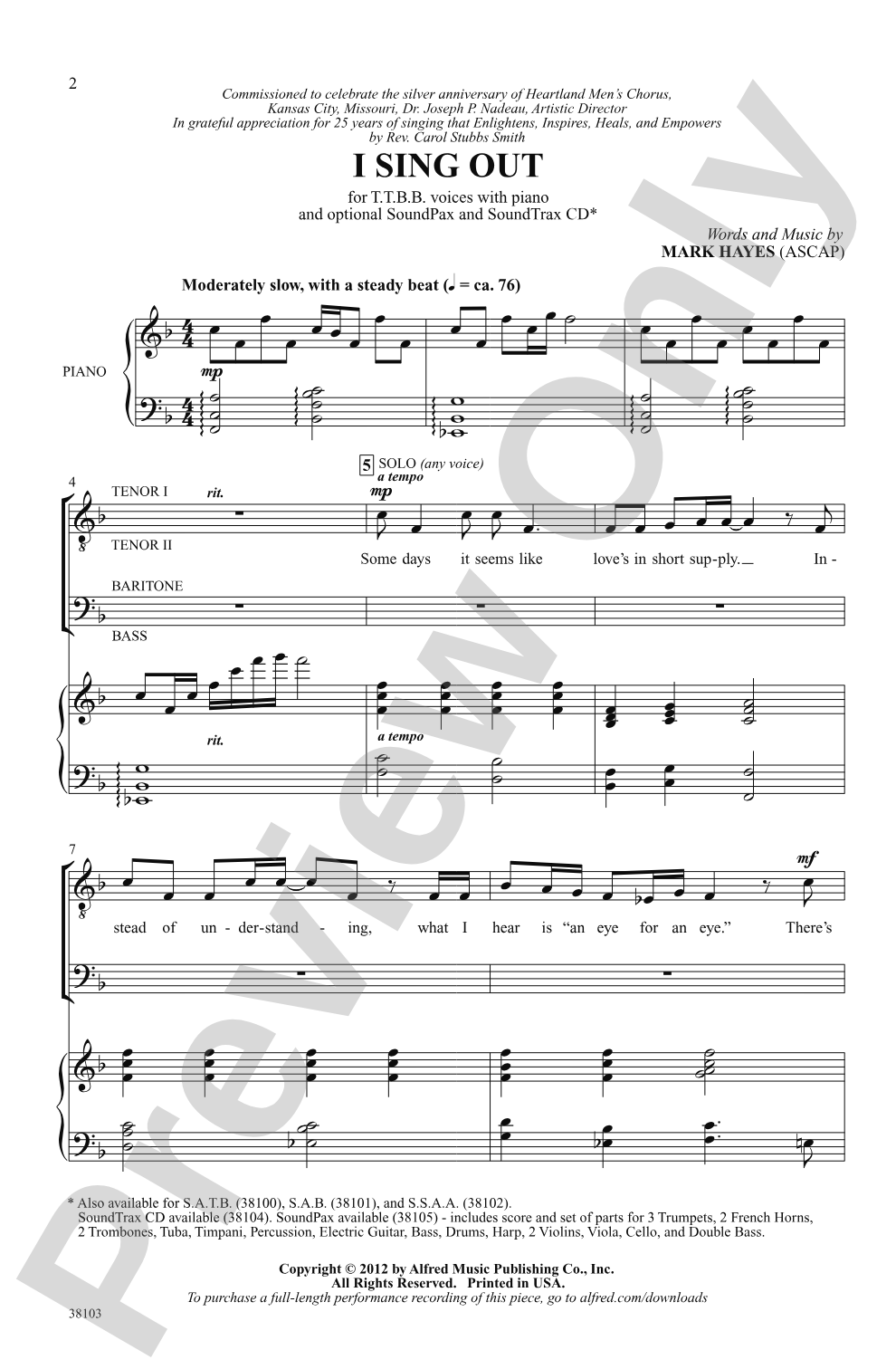
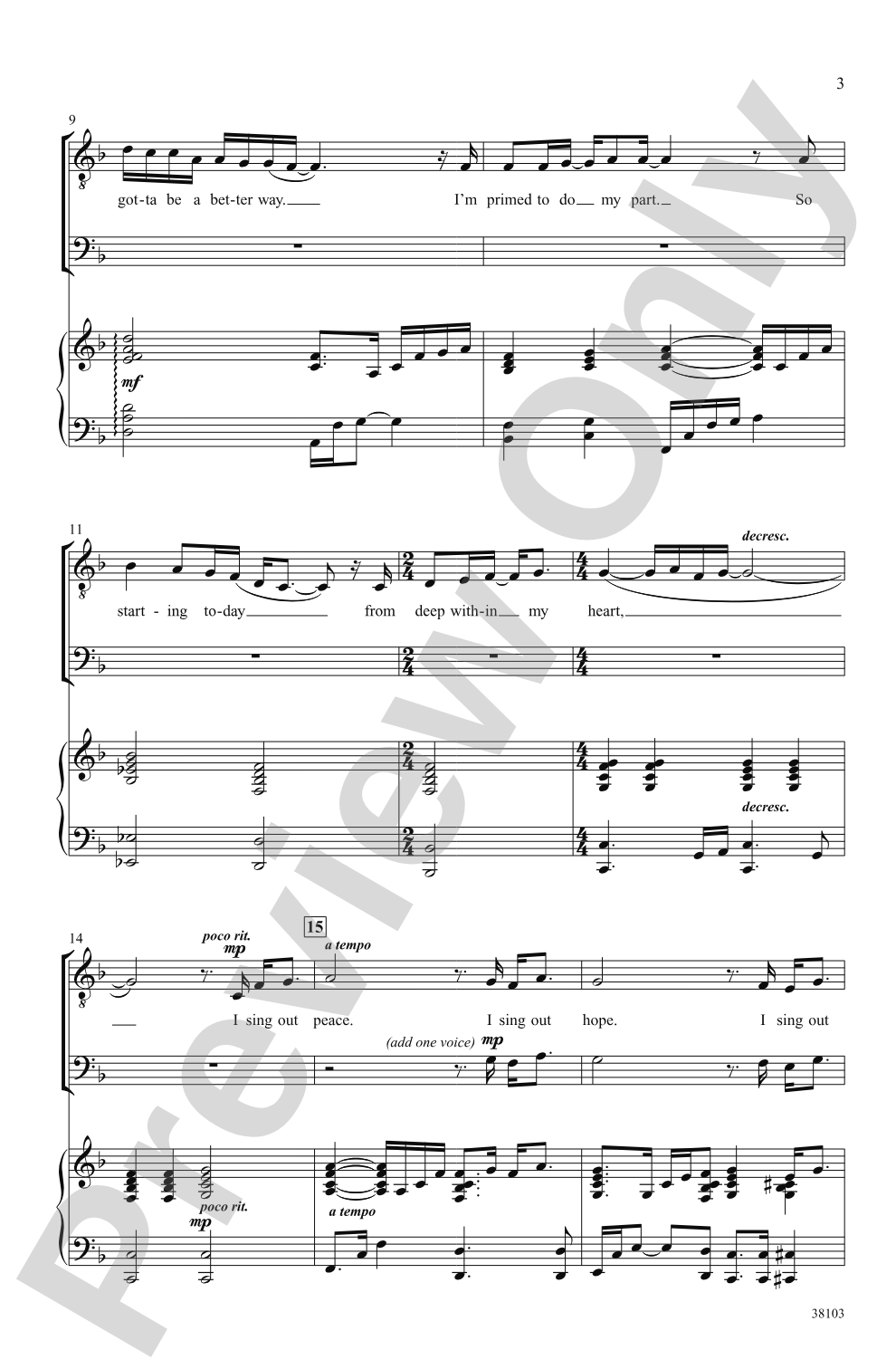
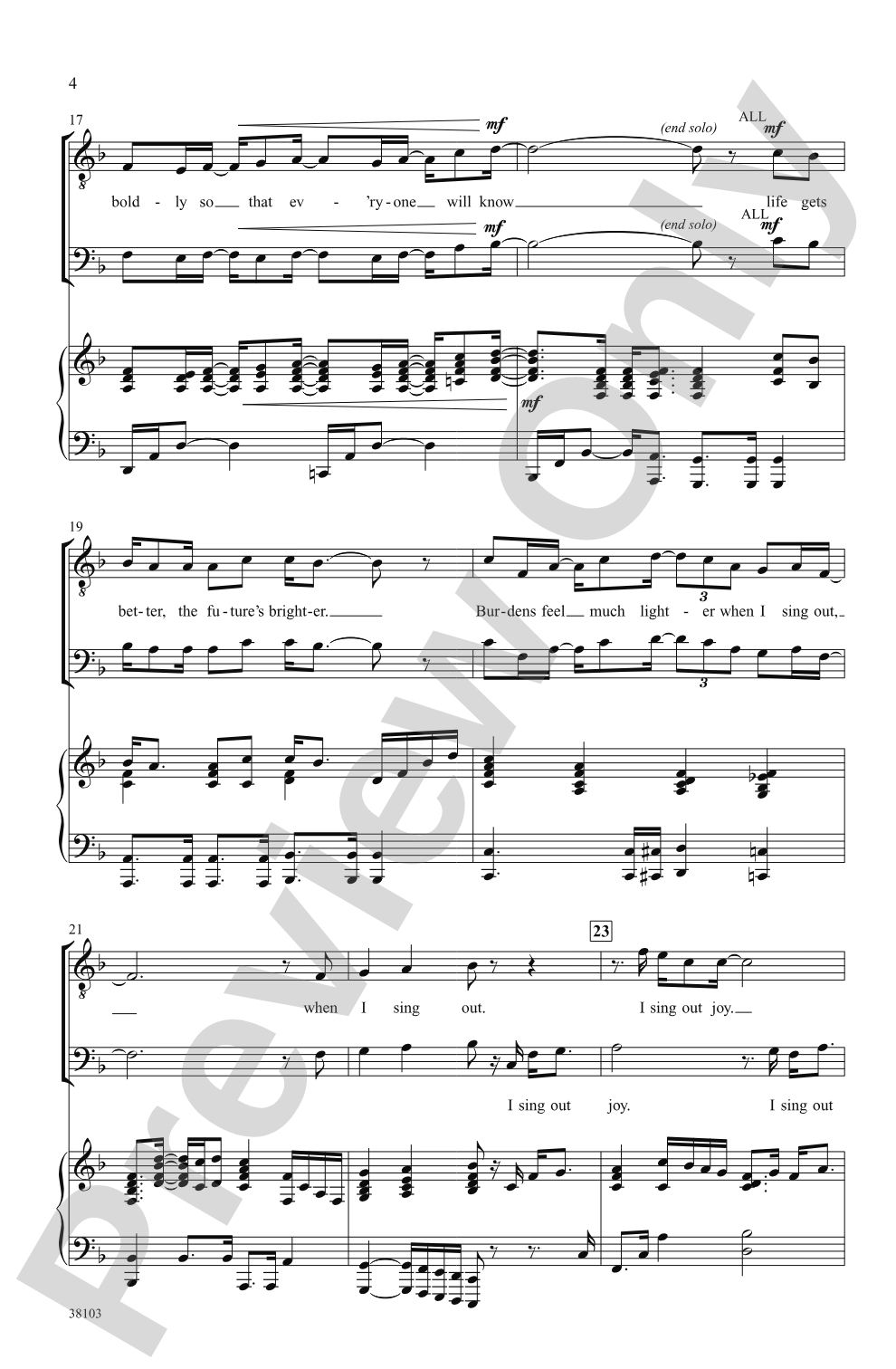

I Sing Out: TTBB Choral Octavo
Words and music by Mark Hayes
Item: 00-PO-0001389
$1.95
Minimum order quantity: 20 copies
Pickup currently not available
Related Items
I Sing Out: SoundTrax Digital Audio Download |
$29.99
|
View | |
I Sing Out: SATB Choral Octavo |
$2.20
|
View | |
I Sing Out: SAB Choral Octavo |
$2.95
|
View | |
I Sing Out: SSAA Choral Octavo |
$1.95
|
View | |
I Sing Out: Choral SoundPax |
$55.00
|
View | |
I Sing Out: SATB Choral Octavo |
$2.20
|
View | |
I Sing Out: SAB Choral Octavo |
$2.95
|
View | |
I Sing Out: SSAA Choral Octavo |
$1.95
|
View | |
I Sing Out: TTBB Choral Octavo |
$1.95
|
View | |
I Sing Out: Choral Octavo SoundTrax CD |
$29.99
|
View | |
I Sing Out: Choral SoundPax |
$55.00
|
View |
Description
From the sensitive opening solo, through the captivating textured polyphony, to the final choral refrain, this contemporary powerhouse teaches an inspiring lesson about the strength of song. "From the very best part of who I am, I sing out!"


I Sing Out: TTBB Choral Octavo isn't in MakeMusic Cloud just yet...but it could be. Let us know you'd like to see it, and you'll help shape what comes next. In the meantime, start a free trial and dive into thousands of interactive titles your students can play along with today.
Request This Title
Tell us you want it.
Start Your Free Trial
Explore everything that's ready to play right now.
Sample Audio
1
Audio File
--:--
0:00
0:00
Sample Video
No sample videos found.
Additional Details
Series:
Alfred Choral Designs
Publisher:
Alfred Music
Page Count:
16
SKU:
00-PO-0001389
More about this title
About the Composer: Mark Hayes
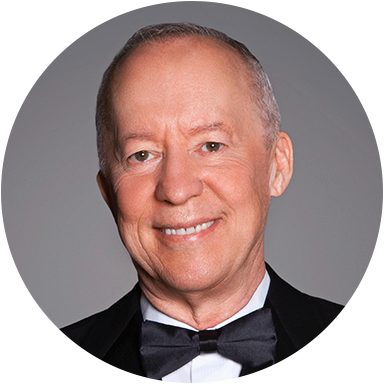
Mark Hayes has established himself as a prolific composer and arranger with more than 1,750 published works spanning classical, sacred, and secular genres. A summa cum laude graduate in Piano Performance from Baylor University, Hayes combines deep technical training with an instinct for accessible, emotionally resonant writing. He has conducted at major venues including Lincoln Center, Carnegie Hall, and the National Cathedral, and his works have been performed internationally from Hong Kong to Rome.
Beyond his choral and orchestral output, Hayes maintains a passion for piano composition and has over 100 piano works in print. His versatility extends to musical theater, film scoring, and record production. In 2010, Baylor University recognized him with the Award for Exemplary Leadership in Christian Music, acknowledging his sustained contributions to both the concert and educational music worlds.
Why we love this
Hayes captures something rare here: a contemporary piece that feels genuinely moving without sacrificing accessibility. The solo opening and layered polyphony give singers real musical meat to work with, while the message about the power of song resonates with ensembles and audiences alike. This is the kind of octavo that reminds singers why they show up to rehearsal.
What to expect
The piece opens with intimate vulnerability, a solo voice declaring personal truth. As harmonies layer in, the texture builds from solitary to communal, creating a growing sense of solidarity. By the final refrain, what began as one person's declaration becomes a collective anthem of affirmation.
Who it's for
TTBB choirs looking for contemporary repertoire with substance and heart. This works equally well in concert, festival, or community settings where singers want material that challenges them musically and moves audiences emotionally.
How to get the most out of it
- Honor the vulnerability of the opening solo by allowing a moment of silence before the ensemble enters; let that contrast between one voice and many set the emotional stage.
- Balance the textured polyphony carefully so no single line overwhelms the others; mark phrase shapes in rehearsal to clarify the musical conversation happening across all four parts.
- Use the recorded accompaniment to establish tempo and voicing consistency, then gradually reduce reliance on it so the choir owns the harmonic progression.
- Build toward the final refrain deliberately, making sure the return feels earned rather than rushed; this is where the piece's central idea about personal strength connects to collective power.
How to use it
Position this as a centerpiece on a concert focused on contemporary choral music or repertoire exploring themes of identity and voice. It pairs well alongside other secular works by Hayes or other modern composers who emphasize text clarity and emotional directness. The shorter length (16 pages) makes it a strong choice for mid-program placement where you want to shift mood or energy.
Skills your students will build
- Balancing solo and ensemble textures
- Sustaining independent harmonic lines within polyphonic writing
- Shaping phrases that serve the text and emotional arc
- Reading and executing contemporary choral notation
- Blending voices while maintaining clarity and individuality