I Sing Out Cover Image

I Sing Out: SSAA Choral Octavo

$1.95 USD
Sale price  $1.95 USD Regular price 
Skip to product information
I Sing Out Cover Image

I Sing Out: SSAA Choral Octavo

Words and music by Mark Hayes

Item: 00-38102

makemusic Cloud badge

Need it now?

Buy Digital Version
$1.95
Shipped

One moment…

Description
From the sensitive opening solo, through the captivating textured polyphony, to the final choral refrain, this contemporary powerhouse teaches an inspiring lesson about the strength of song. "From the very best part of who I am, I sing out!"

Don't just read it, hear it, play along with it, and watch your students grow with it. In MakeMusic Cloud, I Sing Out: SSAA Choral Octavo comes alive with professional accompaniment, adjustable tempo, and built-in practice tools that turn solo practice into real progress.

Sample Pages

Sample Audio
0:00
0:00
Sample Video
Additional Details
Series: Alfred Choral Designs
Publisher: Alfred Music
Page Count: 16
UPC: 038081425740
SKU: 00-38102

More about this title

About the Composer: Mark Hayes
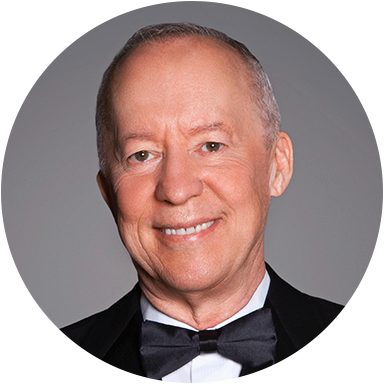
Mark Hayes

Mark Hayes has published more than 1,750 works across concert music, choral literature, musical theater, and piano repertoire. A summa cum laude graduate of Baylor University in Piano Performance (1975), he maintains active careers as a pianist, composer, arranger, and conductor, with appearances at Lincoln Center, the National Cathedral, and Carnegie Hall.

His compositional range spans sacred choral works (Te Deum, Magnificat, Gloria, Requiem) and secular projects including the musical Civil War Voices, which garnered six awards at the Midtown International Theatre Festival in New York. He has conducted world premieres in Hong Kong and Rome, orchestrated musical theater productions, and received the Award for Exemplary Leadership in Christian Music from Baylor University's Center for Christian Music Studies in 2010. Hayes lives in Kansas City, Missouri.

Why we love this

Hayes crafts contemporary choral writing that balances accessibility with real artistic depth. The arc from solo vulnerability to polyphonic richness to unison power gives singers a clear emotional journey to follow, and the message about finding strength in collective voice resonates with audiences across age groups and performance contexts.

What to expect

The piece opens with quiet introspection before gradually building into layered vocal textures that shimmer with independence. By the final refrain, the voices unite in a declaration that feels earned rather than imposed, creating a sense of collective strength and affirmation.

Who it's for

This octavo works well for SSAA or SSA choirs seeking contemporary repertoire with a meaningful message. It suits intermediate to advanced high school and college ensembles, as well as adult community choirs comfortable with mild harmonic complexity and textural variety.

How to get the most out of it

  • Allow the opening solo to breathe. This moment sets the intimate tone for everything that follows, so give your soloist space and support the vulnerability rather than rushing toward the fuller textures ahead.
  • Shape the polyphonic sections by highlighting the independence of each voice part. Encourage singers to listen across the ensemble so that interlocking lines emerge as a cohesive whole rather than competing layers.
  • Build intensity gradually toward the final refrain. The return to unison gains its power from the contrast with the textured material, so resist the urge to sing it too loudly from the start.

How to use it

Program this as an emotional centerpiece within a concert that explores themes of resilience or community. It pairs naturally with other contemporary secular works and provides an effective bridge between purely artistic selections and pieces with explicit storytelling.

Skills your students will build

  • Singing exposed solo passages with musicality and confidence
  • Maintaining independent melodic lines within polyphonic textures
  • Balancing transparency and blend when multiple parts overlap
  • Sustaining emotional connection across contrasting musical sections
  • Building ensemble cohesion from intimacy to full-group unison

You May Also Like
