I Sing Out Cover Image

I Sing Out: SATB Choral Octavo

$2.20 USD
Sale price  $2.20 USD Regular price 
Skip to product information
I Sing Out Cover Image

I Sing Out: SATB Choral Octavo

Words and music by Mark Hayes

Item: 00-38100

makemusic Cloud badge

Need it now?

Buy Digital Version
$2.20
Shipped

One moment…

Description
From the sensitive opening solo, through the captivating textured polyphony, to the final choral refrain, this contemporary powerhouse teaches an inspiring lesson about the strength of song. "From the very best part of who I am, I sing out!"

Don't just read it, hear it, play along with it, and watch your students grow with it. In MakeMusic Cloud, I Sing Out: SATB Choral Octavo comes alive with professional accompaniment, adjustable tempo, and built-in practice tools that turn solo practice into real progress.

Sample Pages

Sample Audio
0:00
0:00
Sample Video
Additional Details
Series: Alfred Choral Designs
Publisher: Alfred Music
Page Count: 16
UPC: 038081425726
SKU: 00-38100

More about this title

About the Composer: Mark Hayes
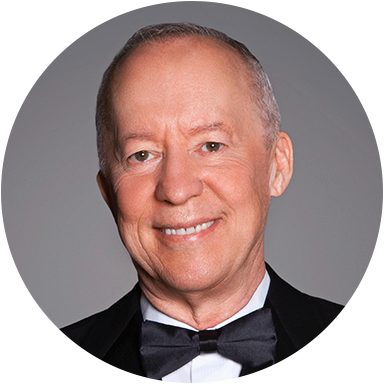
Mark Hayes

Mark Hayes has established himself as one of the most prolific composers in contemporary choral music, with over 1,750 published works spanning concert piano, orchestration, arranging, and conducting. A summa cum laude graduate of Baylor University's piano program, Hayes has guest-conducted at Lincoln Center, the National Cathedral, and Carnegie Hall, leading performances of his own large-scale works including Te Deum, Magnificat, and Gloria. His creative reach extends beyond sacred music into theatrical works, including the award-winning Civil War Voices and orchestrations for musical theater productions.

Hayes received the 2010 Award for Exemplary Leadership in Christian Music from Baylor University's Center for Christian Music Studies and has conducted major premieres globally, including his Requiem at Lincoln Center in 2013 and again at St. Ignatius Basilica in Rome as part of a Vatican-sponsored festival. Based in Kansas City, Missouri, Hayes continues to compose across an extraordinary range of styles, from gospel and classical to jazz and Broadway arrangements. His particular gift for writing accessible yet musically sophisticated work has made him a favorite among directors seeking pieces that challenge singers while remaining emotionally direct.

Why we love this

Hayes crafts a piece that moves smoothly from an intimate solo moment into densely woven part-writing without ever feeling fragmented or overly complex. The text itself carries weight, and the musical architecture supports it at every turn, giving singers something genuinely meaningful to express rather than just notes to execute.

What to expect

The opening draws listeners in with vulnerability before the texture gradually thickens and becomes more architecturally complex. By the end, the refrain lands with quiet confidence, as if the choir has journeyed from introspection to conviction.

Who it's for

Choirs with strong sight-reading skills and the ability to manage polyphonic writing will find this piece rewarding. It works equally well for high school select choirs, college ensembles, and community groups seeking contemporary repertoire with real substance.

How to get the most out of it

  • Balance the opening solo carefully; it sets the emotional tone for everything that follows. The soloist should feel supported by accompaniment rather than isolated, so work the recorded track in early rehearsals to establish confidence.
  • Approach the polyphonic sections with attention to line independence. Each voice part deserves clarity, so mark entrances clearly and occasionally isolate voice parts to ensure no one is doubling unintentionally.
  • Shape the final refrain as a statement of conviction rather than a repetition. The text 'From the very best part of who I am, I sing out' demands dynamic and emotional growth from the opening, so build intensity gradually through the close.
  • Use the instrumental parts strategically if available; adding them partway through rehearsals can help less confident singers lock their pitches, but eventually let the choir carry the weight on its own.

How to use it

This sits naturally in a concert devoted to themes of resilience or voice and expression, or as a thoughtful contemporary counterpart to classical choral works. Its 16-page length makes it substantial enough to anchor a section of the program without overwhelming the ensemble's preparation time.

Skills your students will build

  • Managing independent melodic lines in dense polyphonic passages
  • Singing sustained tones with control while other voices move around them
  • Interpreting contemporary harmonic language and text painting
  • Balancing solo and ensemble contexts within a single piece
  • Building dynamic shape and emotional arc across an extended work

You May Also Like
