Caged Bird Cover Image

Caged Bird: Choral Octavo SoundTrax CD

$29.99 USD
Sale price  $29.99 USD Regular price 
Skip to product information
Caged Bird Cover Image

Caged Bird: Choral Octavo SoundTrax CD

From Like Dust I Rise (A Choral Song Cycle)

Text by Maya Angelou, music by Mark Hayes

Item: 00-46418

$29.99
Shipped

One moment…

Description
A folk-like setting of Maya Angelou's empowering poem, which compares a bird's longing to be liberated with that of all people. Hayes chooses a minor key with plenty of harmonic tension and a walking tempo that suggests the footsteps of those who have come before. The final Picardy third is the ultimate symbol of freedom. This is the second movement from the song cycle Like Dust I Rise.

Caged Bird: Choral Octavo SoundTrax CD isn't in MakeMusic Cloud just yet...but it could be. Let us know you'd like to see it, and you'll help shape what comes next. In the meantime, start a free trial and dive into thousands of interactive titles your students can play along with today.

Sample Pages

No sample pages found.

Sample Audio

SATB Recording

0:00
0:00
Sample Video
Additional Details
Series: Alfred Choral Designs
Publisher: Alfred Music
UPC: 038081527970
SKU: 00-46418

More about this title

About the Composer: Mark Hayes
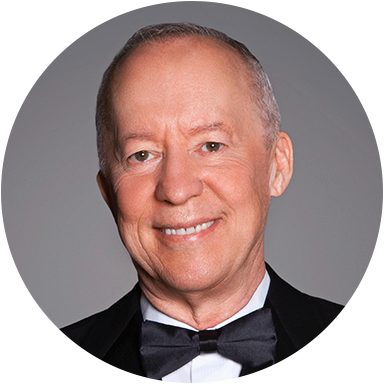
Mark Hayes

Mark Hayes has established himself as a prolific composer and arranger with over 1,750 published works across concert, choral, sacred, and theatrical genres. A summa cum laude graduate in Piano Performance from Baylor University, he has conducted at Lincoln Center, Carnegie Hall, and the National Cathedral, premiering major works including his Requiem at Lincoln Center in 2013 and conducting it again at St. Ignatius Basilica in Rome as part of a Vatican-sponsored festival.

Beyond the concert hall, Hayes has composed for musical theater, winning six awards at the Midtown International Theatre Festival for his Civil War Voices score. His catalog includes over 100 piano books spanning gospel, classical, jazz, and Broadway styles. In 2010, Baylor University recognized his contributions to Christian music education with the Award for Exemplary Leadership. Whether commissioning works for international institutions or orchestrating theatrical productions, Hayes continues to create music across virtually every medium.

Why we love this

Hayes transforms Angelou's poem into something architecturally compelling rather than sentimental. The minor key and harmonic tension keep the setting grounded in real struggle, while the walking tempo creates forward momentum that mirrors the journey itself. When that Picardy third arrives at the end, it lands with earned impact rather than cheap transcendence.

What to expect

Grounded and purposeful, like a conversation that acknowledges hardship without surrendering to it. The minor tonality gives weight to every phrase, while the steady forward motion suggests resilience rather than despair.

Who it's for

Choirs ready to engage with repertoire that honors both poetic complexity and musical substance. This works well for groups with solid intonation skills and the maturity to understand how Hayes uses harmony to deepen meaning.

How to get the most out of it

  • Maintain the walking tempo as a steady pulse throughout; this is less about briskness and more about purposeful movement, so resist the urge to slow down in expressive moments.
  • Shape the harmonic tension in the verses with careful attention to your voice leading; the minor key contains surprises that should feel inevitable rather than arbitrary.
  • Prepare singers for the shift to the major third ending as a genuine harmonic pivot, not a surprise. This conclusion earned its brightness through what came before.

How to use it

Pair this with other pieces that explore freedom and resilience as a concert theme, or program it as a powerful standalone statement of human dignity. The literary text makes it particularly effective alongside spoken word or poetry readings.

Skills your students will build

  • Sustaining a steady pulse in minor key contexts
  • Managing harmonic tension through blend and intonation
  • Understanding text-painting through harmonic language
  • Navigating the Picardy third pivot and major/minor relationships

You May Also Like