Caged Bird Cover Image

Caged Bird: TTBB Choral Octavo

$1.90 USD
Sale price  $1.90 USD Regular price 
Skip to product information
Caged Bird Cover Image

Caged Bird: TTBB Choral Octavo

From Like Dust I Rise (A Choral Song Cycle)

Text by Maya Angelou, music by Mark Hayes

Item: 00-46417

makemusic Cloud badge

Need it now?

Buy Digital Version
$1.90
Shipped

One moment…

Description
A folk-like setting of Maya Angelou's empowering poem, which compares a bird's longing to be liberated with that of all people. Hayes chooses a minor key with plenty of harmonic tension and a walking tempo that suggests the footsteps of those who have come before. The final Picardy third is the ultimate symbol of freedom. This is the second movement from the song cycle Like Dust I Rise.

Don't just read it, hear it, play along with it, and watch your students grow with it. In MakeMusic Cloud, Caged Bird: TTBB Choral Octavo comes alive with professional accompaniment, adjustable tempo, and built-in practice tools that turn solo practice into real progress.

Sample Pages

Sample Audio
1 Audio File --:--
2 SATB Recording --:--

Audio File

0:00
0:00
Sample Video
Additional Details
Series: Alfred Choral Designs
Publisher: Alfred Music
Page Count: 12
UPC: 038081527963
SKU: 00-46417

More about this title

About the Composer: Mark Hayes
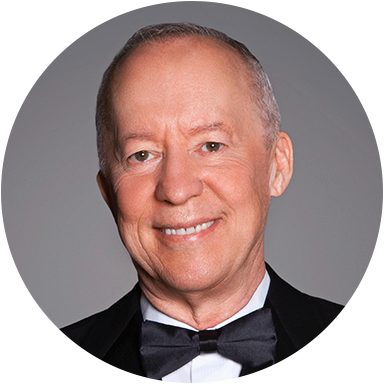
Mark Hayes

Mark Hayes is a prolific composer, pianist, arranger, and conductor whose catalog exceeds 1,750 published works. He holds a Bachelor of Music degree summa cum laude in Piano Performance from Baylor University (1975) and has guest conducted at major venues including Lincoln Center, the National Cathedral, and Carnegie Hall, where his sacred works like Te Deum, Magnificat, and Gloria have been featured prominently.

Beyond choral music, Hayes has distinguished himself as an orchestrator and record producer. He composed the score for Civil War Voices (which garnered six awards at the Midtown International Theatre Festival) and orchestrated the musical Madame Buttermilk. His deep investment in piano literature has resulted in over 100 piano books spanning gospel, classical, jazz, and Broadway idioms. In 2010, Baylor University recognized his leadership in Christian music, and in 2013 he conducted the world premiere of his Requiem at Lincoln Center.

Why we love this

Hayes transforms Angelou's text into something architecturally compelling. The minor key and walking tempo create a sense of deliberate forward motion, grounding an abstract poem in physical reality. That final Picardy third lands like a revelation, turning harmonic convention itself into a metaphor for liberation.

What to expect

The music holds a dignified restraint, moving with the measured pace of someone who has walked a long road. Minor harmonies shimmer with tension and yearning, yet there's resilience in every phrase. When that final major sonority arrives, it feels earned and absolute, like stepping from shadow into light.

Who it's for

TTBB ensembles seeking repertoire that honors both literary substance and musical craft. This piece suits male choirs, high school and college men's groups, and all-male professional or community choirs willing to engage with a poem about collective human struggle and freedom.

How to get the most out of it

  • Maintain a steady, measured pace throughout. The walking tempo is not plodding; it's purposeful. Think of it as footsteps of dignity and persistence rather than urgency.
  • Layer the harmonic tension in the middle section. Hayes builds dissonance deliberately. Let the chords breathe and resonate so the final major shift feels genuinely transformative, not abrupt.
  • Balance the lower voices with care in the TTBB texture. The bass and baritone lines carry much of the harmonic weight; they need clarity without overwhelming the tenors.
  • Shape phrases around the text's meaning rather than phrase marks alone. Where Angelou's language builds, your vocal lines should arc with it.

How to use it

Place this piece where it can anchor a concert theme around justice, resilience, or social change. It pairs naturally with other works addressing human dignity or freedom. Consider programming it as the closing selection of a set, where its harmonic payoff can resonate in the silence that follows.

Skills your students will build

  • Reading and sustaining minor key harmony with chromatic movement
  • Maintaining steady pulse and forward momentum in a walking tempo
  • Balancing four distinct voice parts with equal textural clarity
  • Interpreting modal and chromatic harmony, including the final Picardy third
  • Connecting musical phrasing to poetic language and meaning

You May Also Like
