Caged Bird Cover Image

Caged Bird: SATB Choral Octavo

$1.90 USD
Sale price  $1.90 USD Regular price 
Skip to product information
Caged Bird Cover Image

Caged Bird: SATB Choral Octavo

From Like Dust I Rise (A Choral Song Cycle)

Text by Maya Angelou, music by Mark Hayes

Item: 00-46415

makemusic Cloud badge

Need it now?

Buy Digital Version
$1.90
Shipped

One moment…

Description
A folk-like setting of Maya Angelou's empowering poem, which compares a bird's longing to be liberated with that of all people. Hayes chooses a minor key with plenty of harmonic tension and a walking tempo that suggests the footsteps of those who have come before. The final Picardy third is the ultimate symbol of freedom. This is the second movement from the song cycle Like Dust I Rise.

Don't just read it, hear it, play along with it, and watch your students grow with it. In MakeMusic Cloud, Caged Bird: SATB Choral Octavo comes alive with professional accompaniment, adjustable tempo, and built-in practice tools that turn solo practice into real progress.

Sample Pages

Sample Audio
1 Audio File --:--
2 SATB Recording --:--

Audio File

0:00
0:00
Sample Video
Additional Details
Series: Alfred Choral Designs
Publisher: Alfred Music
Page Count: 12
UPC: 038081527949
SKU: 00-46415

More about this title

About the Composer: Mark Hayes
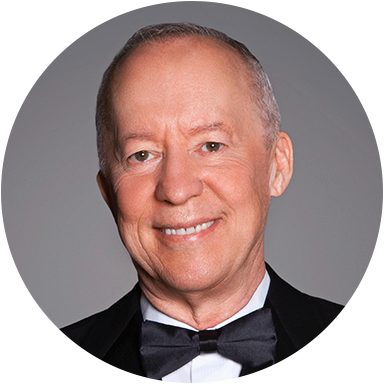
Mark Hayes

Mark Hayes has composed over 1,750 published works across sacred and secular genres, establishing himself as one of the most prolific voices in American choral music. A summa cum laude graduate of Baylor University's piano performance program, he has conducted world premieres at Lincoln Center and the Vatican, and his compositions have been featured at Carnegie Hall and the National Cathedral. His work spans choral cycles, orchestral pieces, theatrical scores, and an extensive catalog of piano literature reflecting everything from gospel to jazz to classical idioms.

Based in Kansas City, Missouri, Hayes brings a distinctive harmonic language to his settings of texts, whether sacred or secular. His passion for creating music that serves performers and audiences alike is evident in the accessibility and emotional depth of his writing. In 2010, Baylor University recognized him with the Award for Exemplary Leadership in Christian Music, acknowledging his sustained impact on the field.

Why we love this

Hayes transforms Angelou's iconic poem into something that feels both intimate and monumental, using minor tonality and harmonic tension to honor the weight of the text while the concluding Picardy third delivers a moment of transcendence that never feels unearned. The walking tempo creates forward momentum without rushing, giving singers time to inhabit the meaning of each phrase. This is programming gold for concerts centered on freedom, justice, and hope.

What to expect

The minor key creates an atmosphere of longing and reflection, anchoring listeners in the weight of the poem's central metaphor. Yet Hayes refuses to let the piece collapse into despair; instead, the harmonic language builds toward something luminous, culminating in a final shift that feels like sunlight breaking through. Singers will feel the architecture of hope being constructed beneath their hands.

Who it's for

SATB choirs working at intermediate to advanced levels who want to program meaningful secular choral work with literary substance. This piece suits directors seeking material that engages singers intellectually and emotionally, and who value texts that matter beyond the music itself.

How to get the most out of it

  • Shape the minor key tonality as something solemn rather than dark; this piece asks for focused intensity, not heaviness. The harmonic language should feel deliberate and purposeful.
  • Let the walking tempo breathe. Hayes writes this at a pace that mirrors movement and steady determination; rushing undermines the text's dignity.
  • Prepare singers for the final Picardy third by rehearsing it as a genuine harmonic shift, not a surprise. Frame it as arrival, as illumination, and let that transformation speak for itself.

How to use it

Place this as a centerpiece in a concert exploring themes of liberation, resilience, or social justice; its serious tone and literary foundation make it an anchor rather than a supporting piece. It works equally well in a mixed program where you need a moment of reflective power before moving into contrasting material. As the second movement of a larger song cycle, consider whether programming the complete work or this movement alone better serves your concert's narrative arc.

Skills your students will build

  • Reading and sustaining minor tonality with musical purpose
  • Interpreting harmonic tension as emotional content
  • Understanding textual relationships between poetry and musical structure
  • Executing a Picardy third and understanding its historical and expressive significance
  • Ensemble blend and balance within a walking tempo across SATB voicing

You May Also Like
