

Sound Innovations para Orquesta de cuerdas, Libro 1, Segunda edición, en español: Cello Book & Online Media
$12.99 USD
Sale price
$12.99 USD
Regular price
Skip to product information


Sound Innovations para Orquesta de cuerdas, Libro 1, Segunda edición, en español: Cello Book & Online Media
El método integral para músicos principiantes
By Bob Phillips, Peter Boonshaft, and Robert Sheldon
Item: 00-52388
$12.99
One moment…
Description
Sound Innovations para Orquesta de cuerdas, Libro 1, Segunda edición, es el método para estudiantes principiantes de cuerdas más completo y elaborado con una reflexión pedagógica sin igual. Creado con la colaboración de miles de docentes, presenta un diseño de páginas limpio y fácil de seguir, así como un avance progresivo y ordenado en el desarrollo de habilidades. Cada ejercicio cuenta con objetivos claros, refuerzo constante de los nuevos conceptos, oportunidades de interpretación, una amplia variedad de estilos musicales y recursos pedagógicos innovadores para el aula y la práctica individual. Las cabezas de nota no incluyen el nombre de la nota, favoreciendo así el desarrollo acelerado de la lectura musical. El libro se estructura en seis niveles concisos que ofrecen criterios de avance, pautas de evaluación y metas intermedias para guiar a estudiantes y docentes en cada etapa del aprendizaje.
Cada libro incluye acceso gratuito a SI Online, una plataforma robusta con hojas de trabajo, pistas de práctica, melodías alternativas, piezas adicionales para orquesta de cuerdas, videos instructivos por instrumento y mucho más---todo disponible sin necesidad de iniciar sesión. Las pistas de acompañamiento pueden ralentizarse, acelerarse y configurarse en modo de repetición para trabajar los pasajes más difíciles. Los archivos PDF incluyen teoría musical, historia, ejercicios de escalas, páginas de ritmos, piezas de técnica y más para el refuerzo y la personalización del aprendizaje en el aula o en casa. Estos recursos acompañan al estudiante desde sus primeras notas hasta su interpretación final, mientras que ofrecen al docente la facilidad de adaptar el ritmo y la instrucción a las necesidades particulares de su ensamble. Por el momento, los recursos de SI Online están disponibles únicamente en inglés. Si bien este contenido digital constituye un recurso valioso para este método, los videos y materiales adicionales aún no han sido traducidos al español.
El Libro 1, Segunda edición, está disponible de forma gratuita en MakeMusic Cloud, una herramienta interactiva de práctica que motiva a tus estudiantes y simplifica la evaluación. Además, con una suscripción de pago se puede acceder a SI CenterStage---con un repertorio de melodías populares para todos los instrumentos, ¡desde canciones de Disney hasta grandes éxitos del pop!


Cada libro incluye acceso gratuito a SI Online, una plataforma robusta con hojas de trabajo, pistas de práctica, melodías alternativas, piezas adicionales para orquesta de cuerdas, videos instructivos por instrumento y mucho más---todo disponible sin necesidad de iniciar sesión. Las pistas de acompañamiento pueden ralentizarse, acelerarse y configurarse en modo de repetición para trabajar los pasajes más difíciles. Los archivos PDF incluyen teoría musical, historia, ejercicios de escalas, páginas de ritmos, piezas de técnica y más para el refuerzo y la personalización del aprendizaje en el aula o en casa. Estos recursos acompañan al estudiante desde sus primeras notas hasta su interpretación final, mientras que ofrecen al docente la facilidad de adaptar el ritmo y la instrucción a las necesidades particulares de su ensamble. Por el momento, los recursos de SI Online están disponibles únicamente en inglés. Si bien este contenido digital constituye un recurso valioso para este método, los videos y materiales adicionales aún no han sido traducidos al español.
El Libro 1, Segunda edición, está disponible de forma gratuita en MakeMusic Cloud, una herramienta interactiva de práctica que motiva a tus estudiantes y simplifica la evaluación. Además, con una suscripción de pago se puede acceder a SI CenterStage---con un repertorio de melodías populares para todos los instrumentos, ¡desde canciones de Disney hasta grandes éxitos del pop!
Sound Innovations para Orquesta de cuerdas, Libro 1, Segunda edición, en español: Cello Book & Online Media isn't in MakeMusic Cloud just yet...but it could be. Let us know you'd like to see it, and you'll help shape what comes next. In the meantime, start a free trial and dive into thousands of interactive titles your students can play along with today.
Request This Title
Tell us you want it.
Start Your Free Trial
Explore everything that's ready to play right now.
Sample Audio
No sample audio found.
Sample Video
No sample videos found.
Additional Details
More about this title
About the Authors

Bob Phillips, born in 1953, is a composer, author, and conductor who has fundamentally shaped modern string education. Recognized as a leading innovator in large group pedagogy and eclectic musical styles for strings, his educational materials and compositions reach thousands of student musicians annually across classrooms nationwide.
Phillips has authored more than 25 instructional book series, including the complete Sound Innovations curriculum and six groundbreaking eclectic style publications: Fiddlers Philharmonic, Jazz Philharmonic, Rock Philharmonic, Mariachi Philharmonic, Latin Philharmonic, and Fiddle and Song. Over 200 of his orchestral and band works have been published, and he is an award-winning ASCAP composer whose pieces are regularly featured at the Midwest Clinic. His instructional DVD series, String Clinics to Go, has become a standard resource for teachers nationwide.
Throughout 27 years in Saline, Michigan, Phillips developed a nationally recognized string program enrolling over 700 students and demonstrating excellence across classical and eclectic music. He founded the Saline Fiddlers Philharmonic, which achieved international prominence under his direction, performing more than 80 shows annually and appearing at the White House and the Midwest Clinic. As a guest conductor, Phillips has led all-state and honors orchestras across multiple states including Michigan, California, Georgia, Kentucky, Tennessee, and South Carolina, along with youth symphonies, camps, and the Queensland Honour Ensemble Program. He also served as resident conductor and arranger for the Wintergrass Festival in Seattle for 12 years and worked as assistant music director and arranger for the professional ensemble Barrage 8.
Phillips has authored more than 25 instructional book series, including the complete Sound Innovations curriculum and six groundbreaking eclectic style publications: Fiddlers Philharmonic, Jazz Philharmonic, Rock Philharmonic, Mariachi Philharmonic, Latin Philharmonic, and Fiddle and Song. Over 200 of his orchestral and band works have been published, and he is an award-winning ASCAP composer whose pieces are regularly featured at the Midwest Clinic. His instructional DVD series, String Clinics to Go, has become a standard resource for teachers nationwide.
Throughout 27 years in Saline, Michigan, Phillips developed a nationally recognized string program enrolling over 700 students and demonstrating excellence across classical and eclectic music. He founded the Saline Fiddlers Philharmonic, which achieved international prominence under his direction, performing more than 80 shows annually and appearing at the White House and the Midwest Clinic. As a guest conductor, Phillips has led all-state and honors orchestras across multiple states including Michigan, California, Georgia, Kentucky, Tennessee, and South Carolina, along with youth symphonies, camps, and the Queensland Honour Ensemble Program. He also served as resident conductor and arranger for the Wintergrass Festival in Seattle for 12 years and worked as assistant music director and arranger for the professional ensemble Barrage 8.
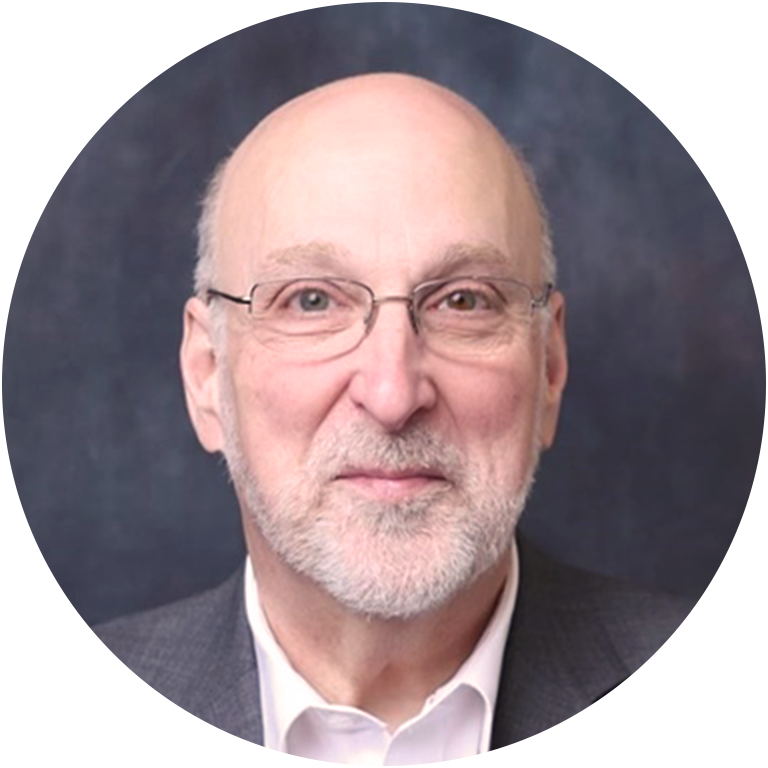
Peter Loel Boonshaft stands among today's most dynamic voices in music education, having been invited to speak and conduct throughout the United States and internationally. He currently serves as Director of Education for Jupiter Band Instruments and maintains a widely followed weekly blog that reaches music educators globally. His influence extends through numerous state and national recognitions, including official proclamations from five governors and a Certificate of Appreciation from former President Ronald Reagan.
His accomplishments have earned him significant institutional honors. Boonshaft received the inaugural George M. Parks Award for Leadership in Music Education from the National Association for Music Education and Music For All. He holds memberships in Pi Kappa Lambda and Alpha Chi, and has been selected three times as a National Endowment for the Arts Artist in Residence. Additional distinctions include the Al G. Wright Award of Distinction from Women Band Directors International, the Outstanding Music Educator Award from the University of Hartford, and selection for the Center for Scholarly Research and Academic Excellence at Hofstra University.
As a professor emeritus at Hofstra University, Boonshaft previously taught at Moravian College and the University of Hartford. He founded and directed both the Pennsylvania Youth Honors Concert Band and the Connecticut Valley Youth Wind Ensemble. His formal training includes a bachelor's degree (Summa Cum Laude) and master's degree in music education from the University of Hartford, a doctorate of musical arts, and specialized study at the Kodály Musical Training Institute.
His accomplishments have earned him significant institutional honors. Boonshaft received the inaugural George M. Parks Award for Leadership in Music Education from the National Association for Music Education and Music For All. He holds memberships in Pi Kappa Lambda and Alpha Chi, and has been selected three times as a National Endowment for the Arts Artist in Residence. Additional distinctions include the Al G. Wright Award of Distinction from Women Band Directors International, the Outstanding Music Educator Award from the University of Hartford, and selection for the Center for Scholarly Research and Academic Excellence at Hofstra University.
As a professor emeritus at Hofstra University, Boonshaft previously taught at Moravian College and the University of Hartford. He founded and directed both the Pennsylvania Youth Honors Concert Band and the Connecticut Valley Youth Wind Ensemble. His formal training includes a bachelor's degree (Summa Cum Laude) and master's degree in music education from the University of Hartford, a doctorate of musical arts, and specialized study at the Kodály Musical Training Institute.

Robert Sheldon stands among today's most frequently performed composers of wind band music. He authored the lead materials for Sound Innovations for Concert Band and continues to produce numerous concert band publications annually. His compositions are performed globally and regularly appear on international concert and competition programs.
Sheldon's accolades include multiple honors from the American School Band Director's Association, Phi Beta Mu, and the American Society of Composers, Authors and Publishers. His works are characterized by expressive depth that connects powerfully with both performers and listeners. He actively accepts commissions for new compositions.
As a conductor and educator, Sheldon maintains an extensive schedule conducting All-State and Regional Honor Bands throughout the country. He serves as a clinician and speaker at colleges, universities, and state music education conferences. His international work has taken him to Japan, Canada, Italy, Germany, Australia, and China. His performances have graced prestigious venues including Carnegie Hall, Orchestra Hall in Chicago, Boston's Symphony Hall, the Sydney Opera House, and the Kennedy Center for the Performing Arts. In 2020, VanderCook College of Music awarded him an honorary doctorate.
Sheldon's accolades include multiple honors from the American School Band Director's Association, Phi Beta Mu, and the American Society of Composers, Authors and Publishers. His works are characterized by expressive depth that connects powerfully with both performers and listeners. He actively accepts commissions for new compositions.
As a conductor and educator, Sheldon maintains an extensive schedule conducting All-State and Regional Honor Bands throughout the country. He serves as a clinician and speaker at colleges, universities, and state music education conferences. His international work has taken him to Japan, Canada, Italy, Germany, Australia, and China. His performances have graced prestigious venues including Carnegie Hall, Orchestra Hall in Chicago, Boston's Symphony Hall, the Sydney Opera House, and the Kennedy Center for the Performing Arts. In 2020, VanderCook College of Music awarded him an honorary doctorate.