
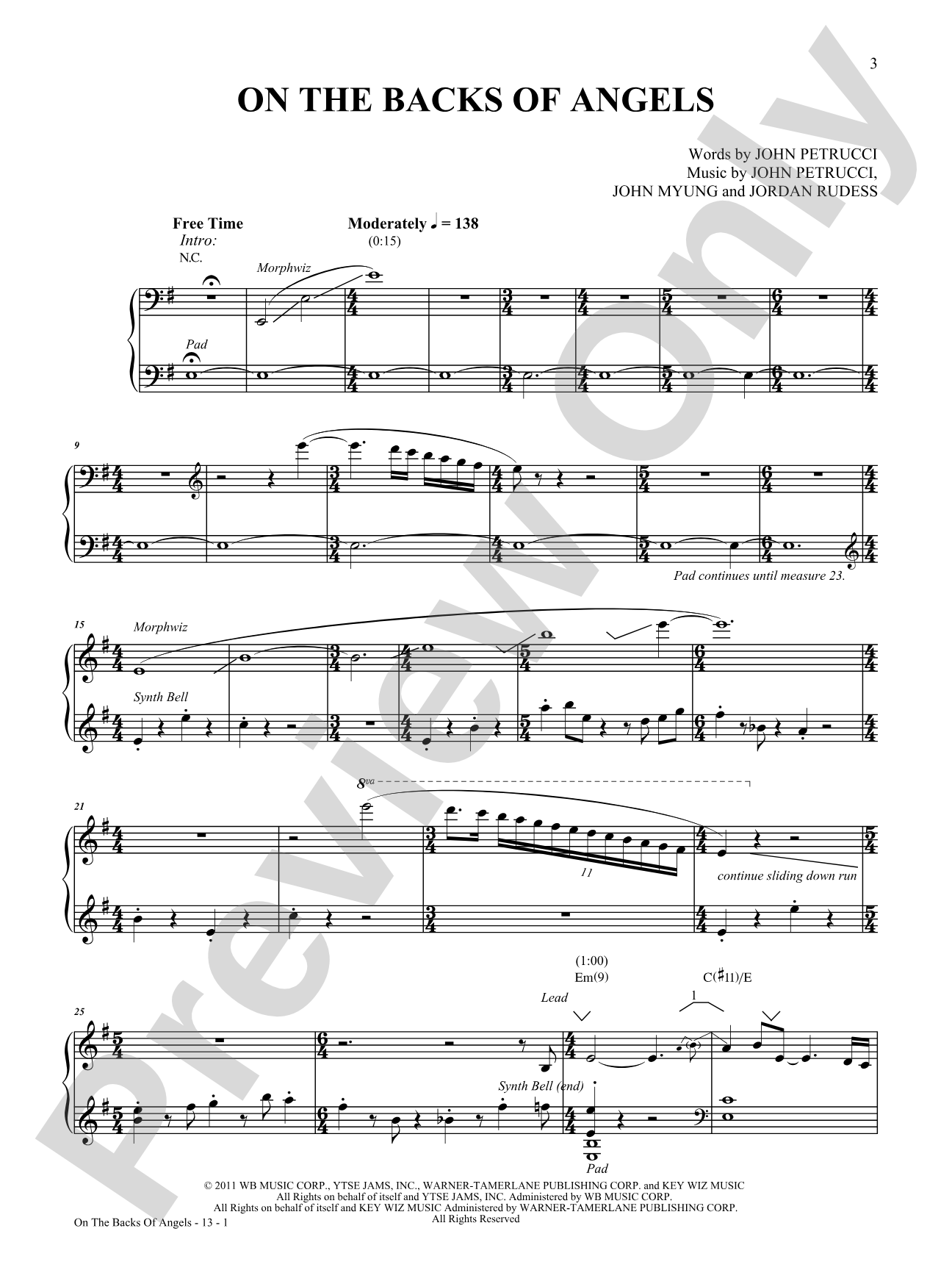
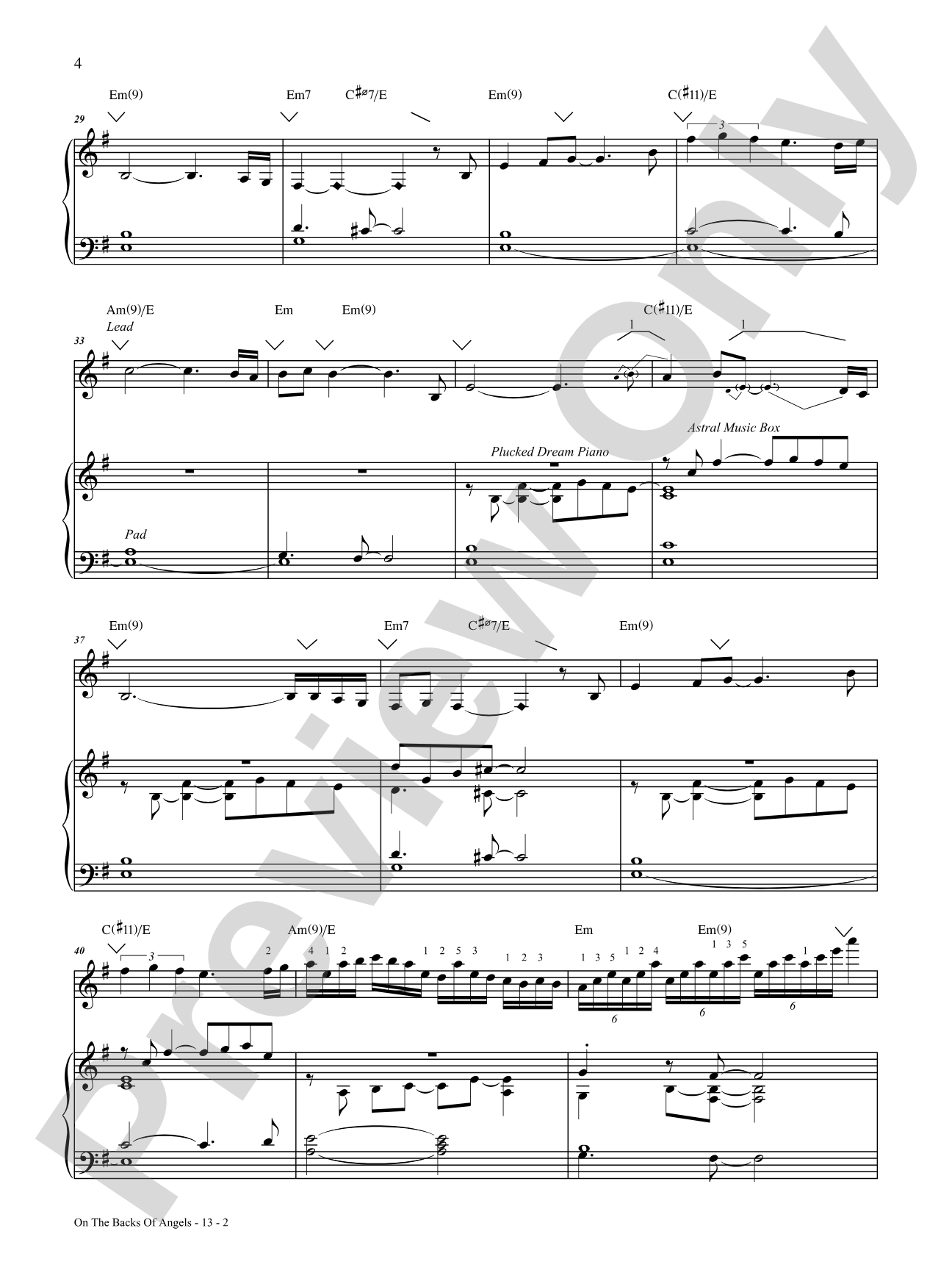
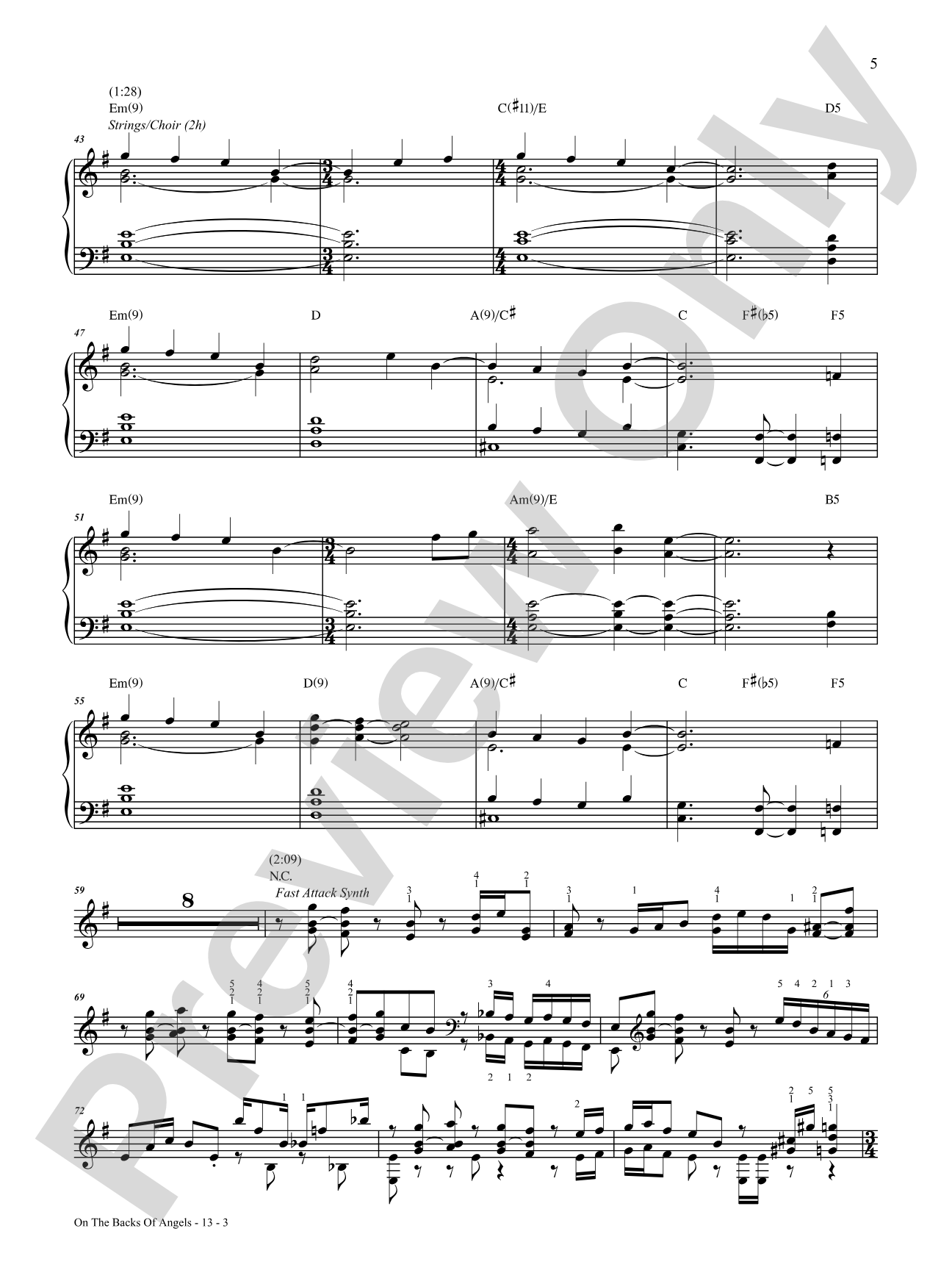

On the Backs of Angels: Piano/Vocal/Chords
Dream Theater featuring Jordan Rudess
Item: 00-PS-0013510
$9.99
One moment…
Related Items
On the Backs of Angels: Authentic Guitar TAB |
$9.99
|
View | |
Bridges in the Sky: Authentic Guitar TAB |
$9.99
|
View | |
Bridges in the Sky: Piano/Vocal/Chords |
$5.99
|
View | |
Outcry: Piano/Vocal/Chords |
$9.99
|
View | |
Outcry: Authentic Guitar TAB |
$9.99
|
View | |
Far From Heaven: Authentic Guitar TAB |
$4.99
|
View | |
Far From Heaven: Piano/Vocal/Chords |
$4.99
|
View | |
Build Me up, Break Me Down: Piano/Vocal/Chords |
$5.99
|
View | |
Build Me up, Break Me Down: Authentic Guitar TAB |
$5.99
|
View | |
Lost Not Forgotten: Authentic Guitar TAB |
$9.99
|
View | |
Lost Not Forgotten: Piano/Vocal/Chords |
$9.99
|
View | |
This is the Life: Authentic Guitar TAB |
$9.99
|
View | |
This is the Life: Piano/Vocal/Chords |
$5.99
|
View | |
Breaking All Illusions: Piano/Vocal/Chords |
$9.99
|
View | |
Breaking All Illusions: Authentic Guitar TAB |
$9.99
|
View | |
Beneath the Silence: Authentic Guitar TAB |
$5.99
|
View | |
Beneath the Surface: Piano/Vocal/Chords |
$9.99
|
View |
Description
Keyboardists who are fans of Dream Theater's Jordan Rudess know that it's nearly impossible to nail down by ear exactly what he plays. Alfred Music is honored to assist with this album-matching sheet music collection, meticulously transcribed by prog keyboard aficionado Chris Romero in direct consultation with Rudess himself. The nearly 100 pages of note-for-note keyboard madness in this collection will challenge any keyboardist to aim high and tackle pioneering techniques that only Jordan Rudess could conceive. Titles: * On the Backs of Angels * Build Me Up Break Me Down * Lost Not Forgotten * This Is the Life * Bridges in the Sky * Outcry * Far from Heaven * Breaking All Illusions * Beneath the Surface.


On the Backs of Angels: Piano/Vocal/Chords isn't in MakeMusic Cloud just yet...but it could be. Let us know you'd like to see it, and you'll help shape what comes next. In the meantime, start a free trial and dive into thousands of interactive titles your students can play along with today.
Request This Title
Tell us you want it.
Start Your Free Trial
Explore everything that's ready to play right now.
Sample Audio
No sample audio found.
Sample Video
No sample videos found.
Additional Details
Publisher:
Alfred Music
Page Count:
100
SKU:
00-PS-0013510
More about this title
About the Composer: John Petrucci
John Petrucci is the guitarist and primary composer for Dream Theater, the progressive metal band that fundamentally reshaped rock music in the 1990s. His compositional voice balances intricate harmonic structures, unconventional song forms, and virtuosic instrumental writing across Dream Theater's catalog, spanning from their 1992 debut through decades of innovation. Petrucci's work has influenced generations of musicians working in progressive metal and rock, demonstrating that complexity and emotional depth are not mutually exclusive.
Why we love this
This transcription collection gives keyboardists direct access to Jordan Rudess's technically demanding and harmonically sophisticated voicings exactly as performed on Dream Theater's recordings. Chris Romero's transcription work, completed in consultation with Rudess himself, removes the guesswork from learning these pieces and opens doors to understanding progressive metal composition from a keyboard perspective. For advanced pianists interested in contemporary classical-level technique applied to rock music, this collection offers legitimately challenging material that demands serious musical growth.
What to expect
Technically sprawling and harmonically dense, these transcriptions showcase keyboard writing that moves seamlessly between atmospheric, synth-like textures and rapid, almost classical-level finger work. The collection feels both cerebral and visceral, demanding complete focus while rewarding deep engagement with every phrase.
Who it's for
Advanced pianists and keyboard players with solid technique and experience reading complex time signatures, extended harmonies, and rapid sixteenth-note passages. This collection serves musicians who already know Dream Theater's music and want to understand exactly how these pieces are realized at the keyboard, including those pursuing progressive rock and metal styles or studying contemporary composition approaches that blend classical technique with rock idioms.
How to get the most out of it
- Study the chord symbols alongside the notated keyboard part to understand voice leading choices and how Rudess constructs his progressions across multiple registers.
- Isolate individual sections and work at a slow tempo with a metronome, focusing on hand independence and the coordination required for rapid passage work.
- Reference the original Dream Theater recordings while learning; hearing Rudess's tone, pedal usage, and rhythmic nuances will inform your interpretation and help clarify passages that notation alone cannot fully capture.
- Pay attention to the notated octave registers and keyboard technique markings, as Rudess often spreads voicings across the full keyboard range to create specific textural effects.
How to use it
This transcription book is not designed for ensemble performance or recital programming in traditional contexts; it functions as a serious study and reference resource for individual keyboardists working to master progressive metal composition and performance. Use it as a semester-long or year-long project for advanced students exploring contemporary keyboard writing, or as a reference guide for musicians arranging or composing their own progressive material.
Skills your students will build
- Reading and executing rapid sixteenth-note passages across the full keyboard range
- Interpreting complex time signatures and polymetric figures in a rock context
- Understanding advanced harmonic voicings and how they function in progressive metal composition
- Developing left-hand independence and comfort with wide intervallic leaps
- Coordinating melody, chord voicings, and rhythmic figures across both hands simultaneously
- Analyzing keyboard texture and tone selection choices in relation to harmonic content