
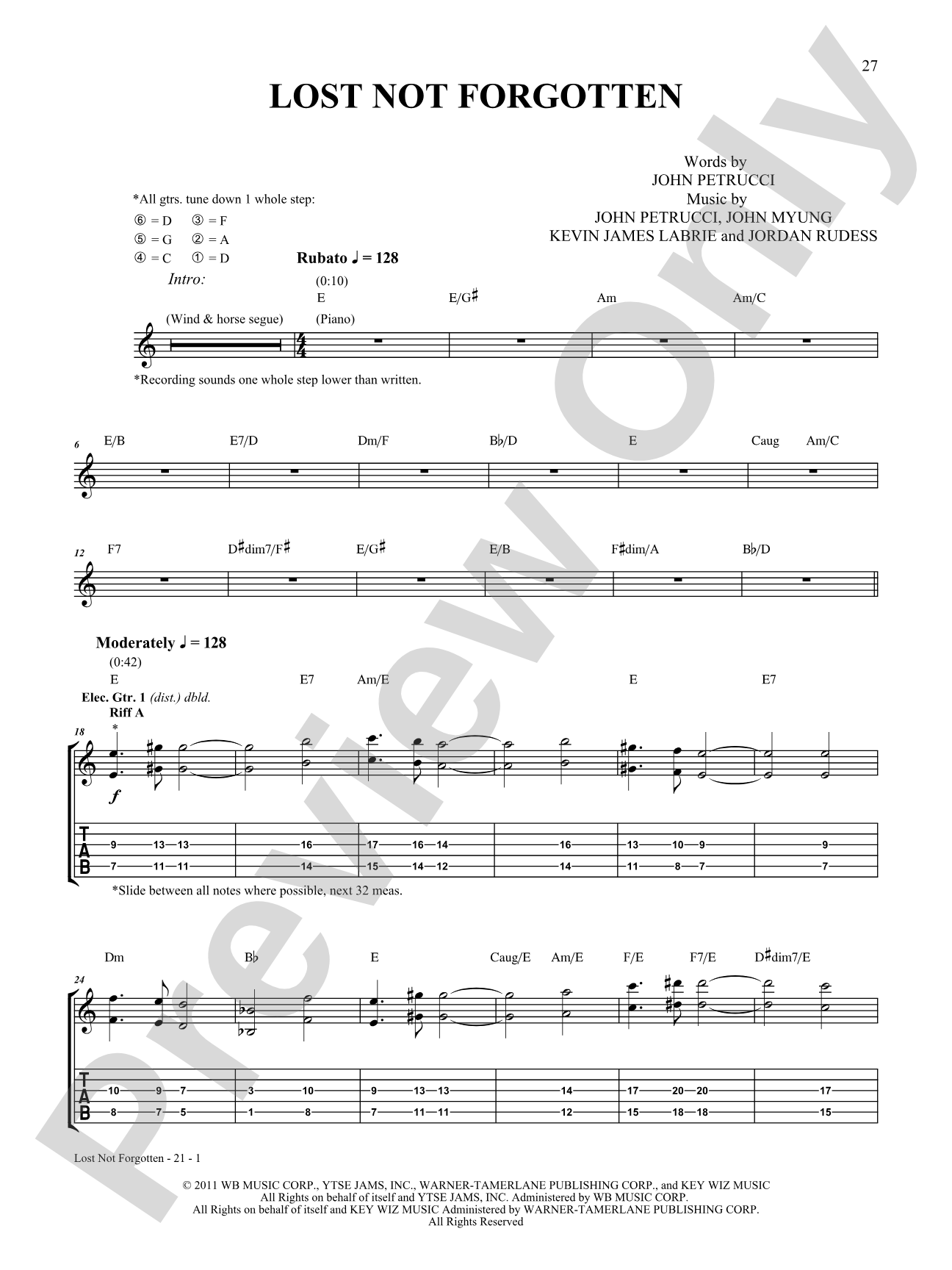
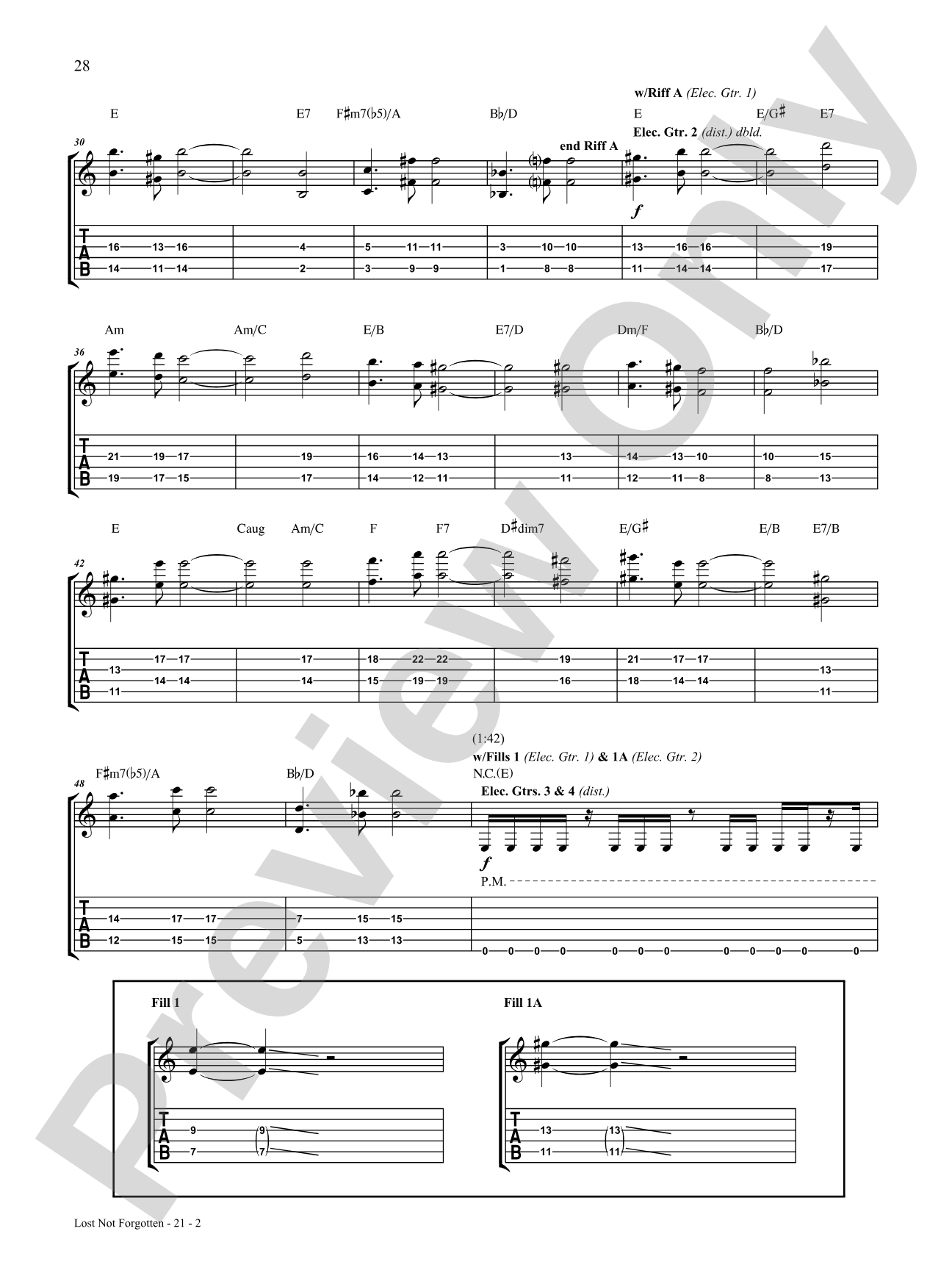
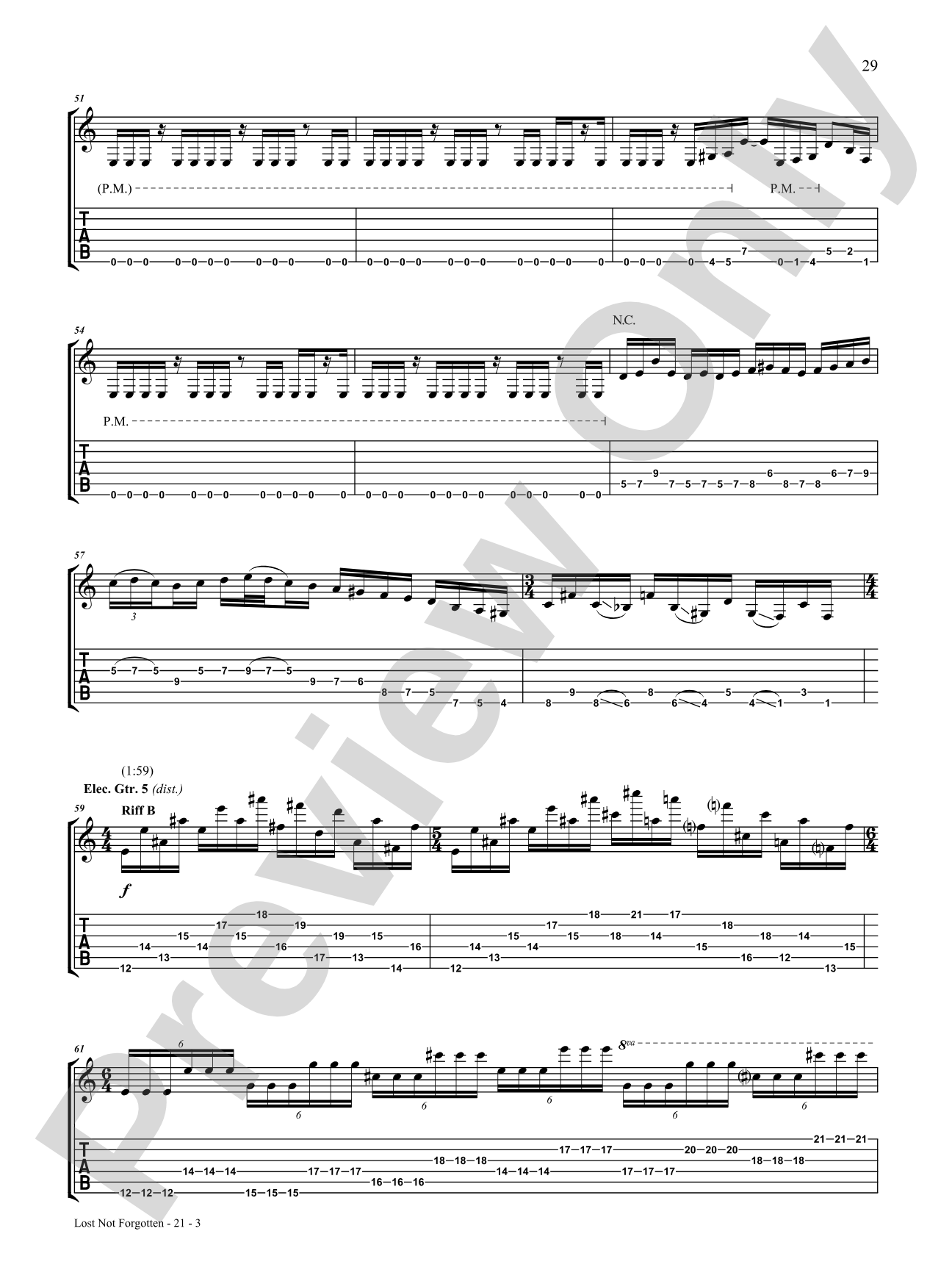
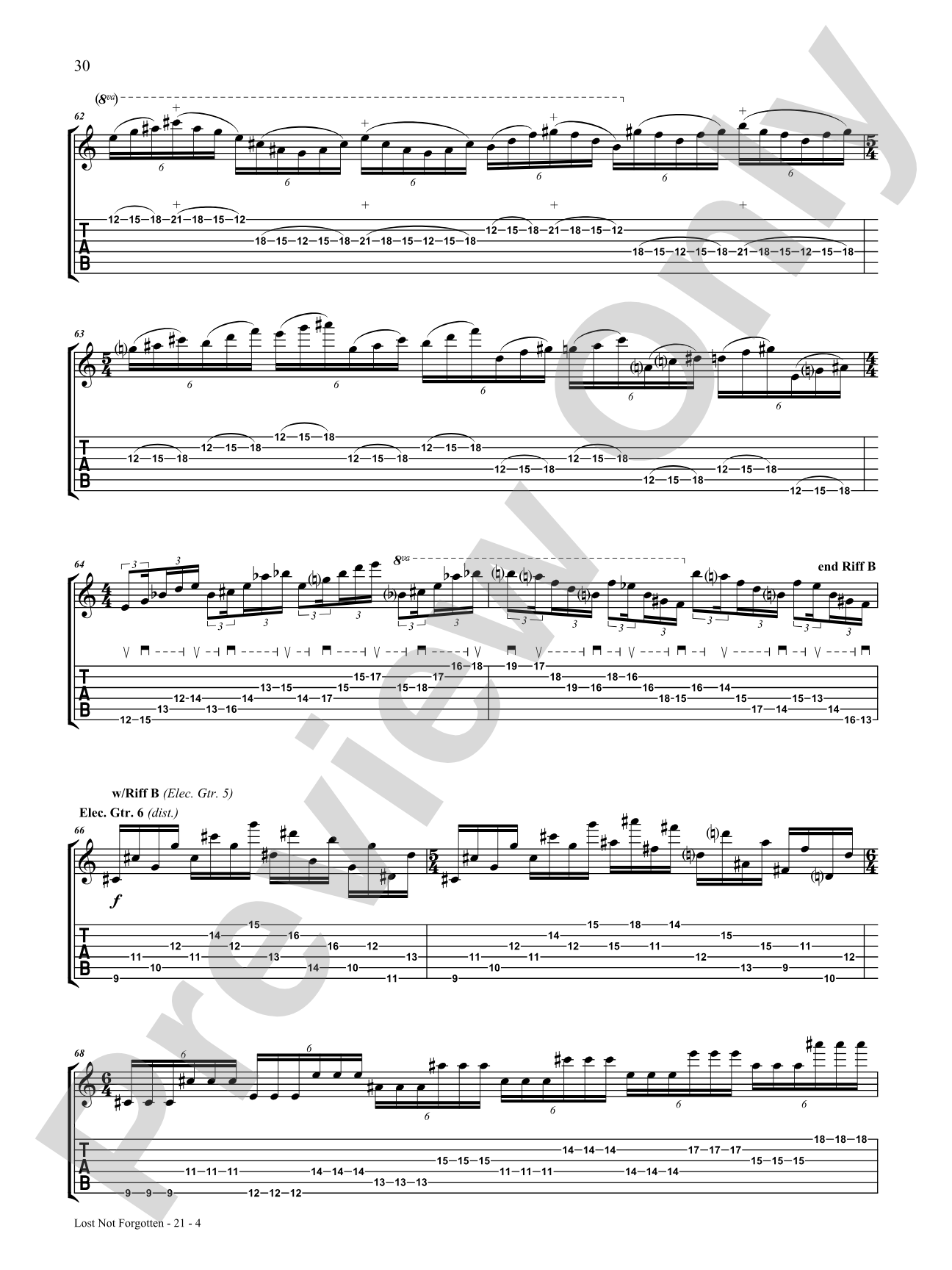
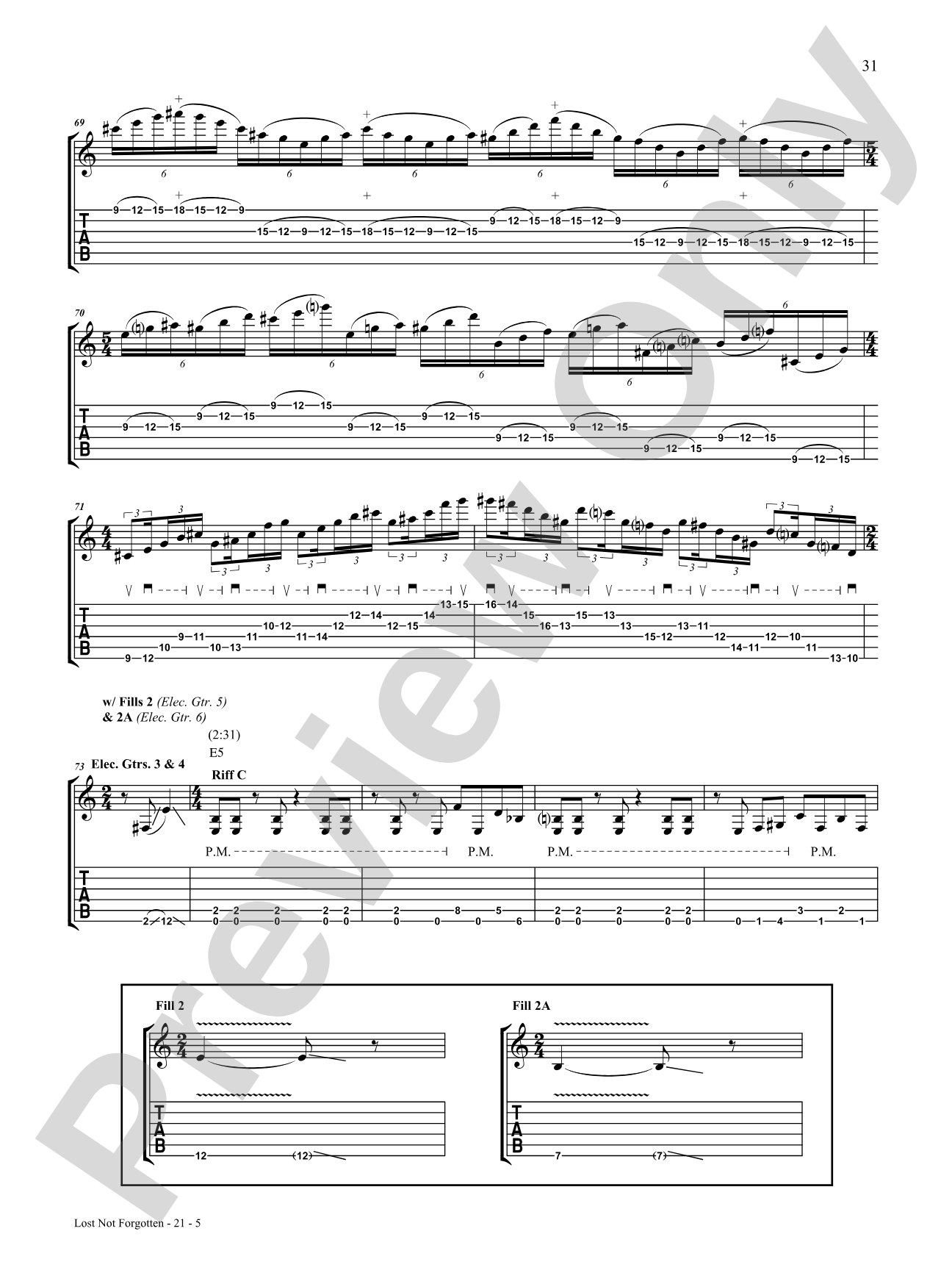

Lost Not Forgotten: Authentic Guitar TAB
Dream Theater
Item: 00-PS-0013519
$9.99
One moment…
Related Items
On the Backs of Angels: Authentic Guitar TAB |
$9.99
|
View | |
On the Backs of Angels: Piano/Vocal/Chords |
$9.99
|
View | |
Bridges in the Sky: Authentic Guitar TAB |
$9.99
|
View | |
Bridges in the Sky: Piano/Vocal/Chords |
$5.99
|
View | |
Outcry: Piano/Vocal/Chords |
$9.99
|
View | |
Outcry: Authentic Guitar TAB |
$9.99
|
View | |
Far From Heaven: Authentic Guitar TAB |
$4.99
|
View | |
Far From Heaven: Piano/Vocal/Chords |
$4.99
|
View | |
Build Me up, Break Me Down: Piano/Vocal/Chords |
$5.99
|
View | |
Build Me up, Break Me Down: Authentic Guitar TAB |
$5.99
|
View | |
Lost Not Forgotten: Piano/Vocal/Chords |
$9.99
|
View | |
This is the Life: Authentic Guitar TAB |
$9.99
|
View | |
This is the Life: Piano/Vocal/Chords |
$5.99
|
View | |
Breaking All Illusions: Piano/Vocal/Chords |
$9.99
|
View | |
Breaking All Illusions: Authentic Guitar TAB |
$9.99
|
View | |
Beneath the Silence: Authentic Guitar TAB |
$5.99
|
View | |
Beneath the Surface: Piano/Vocal/Chords |
$9.99
|
View |
Description
Dream Theater fans rejoice, this collection features note-for-note guitar TAB transcriptions for every song on the album A Dramatic Turn of Events. Titles: On the Backs of Angels * Build Me Up Break Me Down * Lost Not Forgotten * This Is the Life * Bridges in the Sky * Outcry * Far from Heaven * Breaking All Illusions * Beneath the Surface.


Lost Not Forgotten: Authentic Guitar TAB isn't in MakeMusic Cloud just yet...but it could be. Let us know you'd like to see it, and you'll help shape what comes next. In the meantime, start a free trial and dive into thousands of interactive titles your students can play along with today.
Request This Title
Tell us you want it.
Start Your Free Trial
Explore everything that's ready to play right now.
Sample Audio
No sample audio found.
Sample Video
No sample videos found.
Additional Details
Publisher:
Alfred Music
Page Count:
128
SKU:
00-PS-0013519
More about this title
About the Composer: John Petrucci
John Petrucci is the guitarist and primary composer for Dream Theater, one of progressive metal's most technically demanding and influential bands. Since the band's formation in 1985, Petrucci has established himself as a virtuoso instrumentalist whose compositions balance mathematical complexity with emotional depth, pushing the boundaries of what electric guitar can express across extended compositions and intricate ensemble arrangements.
Petrucci's approach to composition integrates classical music theory, odd time signatures, and modal interchange into a rock and metal context. His work as Dream Theater's principal writer has shaped the sound of progressive metal for decades and serves as a technical reference point for guitarists seeking to expand their harmonic and rhythmic vocabulary beyond conventional song structures.
Why we love this
These transcriptions capture Petrucci's layered approach to rhythm and lead guitar in one of Dream Theater's most focused albums. Guitar students get direct access to the exact fingerings, voicings, and techniques used on A Dramatic Turn of Events, making it possible to study progressive metal composition and execution at the source rather than through approximation or reverse engineering.
What to expect
The album moves between crushingly heavy riffs, intricate polyrhythmic passages, and moments of lyrical sensitivity. Each song presents a different technical challenge: extended range guitar work, unconventional tunings and voicings, syncopated rhythms against simpler drum grooves, and sudden dynamic shifts that demand both precision and musicality.
Who it's for
Advanced guitarists and serious Dream Theater fans who want to transcend YouTube covers and learn the exact articulation, timing, and technique behind these songs. This collection serves guitar teachers working with students ambitious enough to tackle progressive metal at a high technical level, and it's invaluable for players studying modern instrumental composition and arrangement in the metal and rock genres.
How to get the most out of it
- Lock the rhythmic feel to the drums by counting subdivisions carefully, especially in the odd-meter sections and tempo changes that shift between songs.
- Work through the TAB in sections, isolating riffs that span multiple time signatures or require hand position shifts, then gradually increase tempo once muscle memory develops.
- Study the harmonic movement underneath the lead lines so you understand the chord progression context, not just the single-note melody.
- Use a metronome at conservative tempos initially; the precision of these parts demands accuracy before speed.
How to use it
Use these transcriptions as a capstone project for advanced guitar students, assigning individual songs across a semester so learners tackle different technical hurdles. You might also feature selections in a recital context where students perform Dream Theater arrangements alongside classical and contemporary pieces, demonstrating how progressive metal draws from multiple musical traditions.
Skills your students will build
- Reading and executing complex rhythmic patterns across multiple time signatures (7/8, 5/4, mixed meter)
- Analyzing harmonic movement in extended compositions with modal interchange and non-traditional cadences
- Translating TAB notation into muscle memory and hand position awareness across the fingerboard
- Managing technical execution at tempo in pieces requiring sustained accuracy and stamina
- Understanding arrangement and orchestration by observing how multiple guitar parts work in ensemble context