
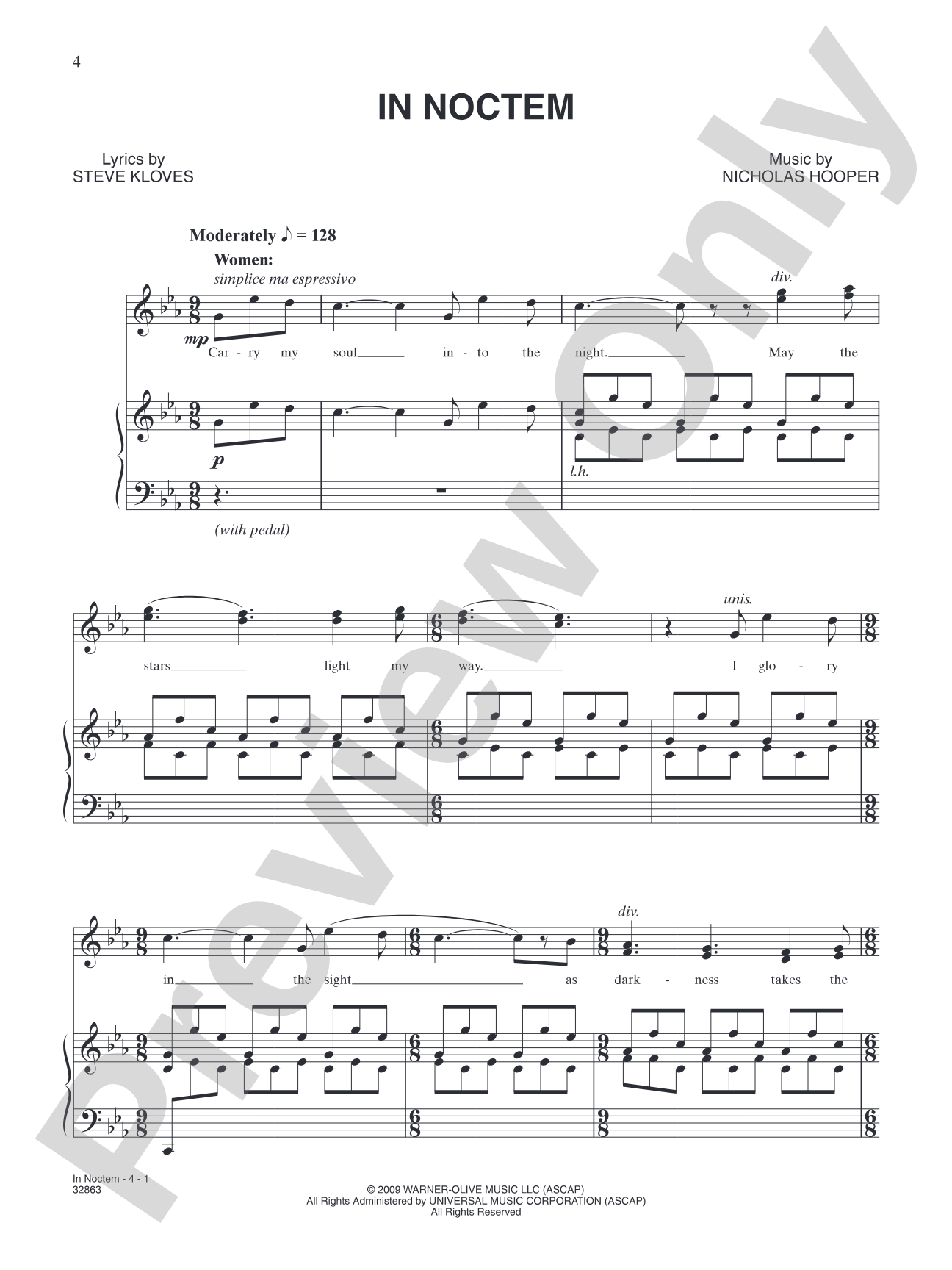

In Noctem (from "Harry Potter and the Half-Blood Prince"): Piano/Vocal/Chords
Music by Nicholas Hooper
Level: Late Intermediate
Item: 00-PS-0011002
$4.99
Pickup currently not available
Related Items
Dumbledore's Farewell (from "Harry Potter and the Half-Blood Prince"): Piano |
$4.99
|
View | |
Farewell Aragog (from "Harry Potter and the Half-Blood Prince"): Piano |
$4.99
|
View | |
The Friends (from "Harry Potter and the Half-Blood Prince"): Piano |
$4.99
|
View | |
Ginny (from "Harry Potter and the Half-Blood Prince"): Piano |
$4.99
|
View | |
When Ginny Kissed Harry (from "Harry Potter and the Half-Blood Prince"): Piano |
$4.99
|
View | |
Harry and Hermione (from "Harry Potter and the Half-Blood Prince"): Piano |
$4.99
|
View | |
Slughorn's Confession (from "Harry Potter and the Half-Blood Prince"): Piano |
$4.99
|
View | |
The Weasley Stomp (from "Harry Potter and the Half-Blood Prince"): Piano |
$5.99
|
View | |
Wizard Wheezes (from "Harry Potter and the Half-Blood Prince"): Piano |
$4.99
|
View | |
Harry Potter and the Half-Blood Prince, Selections from: Piano Book |
$14.95
|
View |
Description
This songbook contains four pages of color photographs and music selections from the much-awaited sixth Harry Potter movie. The music is by Nicholas Hooper, composer of Order of the Phoenix. Titles: Dumbledore's Farewell * Farewell Aragog * The Friends * Ginny * Harry and Hermione * In Noctem * Slughorn's Confession * The Weasley Stomp * When Ginny Kissed Harry * Wizard Wheezes.


Discover MakeMusic Cloud: thousands of interactive titles your students can play along with today.
Sample Audio
No sample audio found.
Sample Video
No sample videos found.
Additional Details
Publisher:
Alfred Music
Page Count:
40
SKU:
00-PS-0011002
More about this title
About the Composer: Nicholas Hooper
Nicholas Hooper composed the scores for the fifth and sixth Harry Potter films, bringing a darker, more sophisticated musical sensibility to the series during its pivotal middle chapters. His work on these soundtracks demonstrates a gift for writing accessible yet emotionally resonant music that serves narrative without overwhelming it, a skill that translates directly to concert repertoire.
Why we love this
This collection captures film scoring at its most teachable: each piece is written to sit comfortably under the hands while maintaining genuine dramatic weight. Students get to inhabit music that already has cinematic stakes, which removes the distance between "exercise" and "real music." The arrangement balances singability with pianistic interest, so whether your students are playing these as solos or accompanying vocalists, the writing feels purposeful.
What to expect
These pieces evoke the particular melancholy and magic of the Half-Blood Prince's world: there's romance and mischief alongside darker currents. The writing favors minor keys and suspended harmonies that feel contemporary without veering into jazz or heavy pop idioms. Players will notice Hooper's restraint; nothing is overdone, yet everything registers.
Who it's for
Late intermediate pianists who connect with film music and want to explore contemporary scoring without struggling against the notation. This collection also suits teachers looking for music that motivates reluctant readers, since students often already know these melodies from the films.
How to get the most out of it
- Let the harmonic movement breathe. Hooper's writing often relies on subtle chord changes to create mood; rushing through transitions flattens the emotional arc.
- Pay attention to dynamic markings as character cues. A sudden swell isn't just texture; it's often a narrative moment from the film, and honoring those shifts keeps the storytelling intact.
- Balance melody and accompaniment by considering what the left hand is doing. Many of these pieces layer the harmonic foundation with rhythmic or textural material that deserves clarity.
How to use it
Consider programming selections from this collection alongside other film scores or contemporary classical pieces to show students where movie music lives in the larger musical landscape. Individual titles work well as recital pieces, particularly "Ginny" or "When Ginny Kissed Harry" for lighter programs, while "Dumbledore's Farewell" carries weight in more serious contexts. These also serve as gateway repertoire for students exploring how orchestral writing translates to keyboard.
Skills your students will build
- Navigating contemporary harmonic language (suspended chords, modal mixture, extended tertian harmony)
- Coordinating accompaniment patterns with melody to maintain independence between hands
- Interpreting dynamic and expressive markings as narrative rather than arbitrary markings
- Sight-reading film music notation and adapting to arrangements that compress orchestral textures