¡Danza! Cover Image

¡Danza!: Choral SoundPax

$45.00 USD
Sale price  $45.00 USD Regular price 
Skip to product information
¡Danza! Cover Image

¡Danza!: Choral SoundPax

Words by Susan Bentall Boersma, music by David Lantz III

Item: 00-31132

makemusic Cloud badge

Need it now?

Buy Digital Version
$45.00
Shipped

One moment…

Description
This lively song features equal parts English and Spanish text, telling you to "dance . . . from your head down to your feet." And that's exactly what you'll want to do when performing the infectious Latin rhythms and the fresh contemporary harmonies. Sizzles and grows to the end.

Don't just read it, hear it, play along with it, and watch your students grow with it. In MakeMusic Cloud, ¡Danza!: Choral SoundPax comes alive with professional accompaniment, adjustable tempo, and built-in practice tools that turn solo practice into real progress.

Sample Pages

Sample Audio
0:00
0:00
Sample Video
Additional Details
Series: Alfred Choral Designs
Publisher: Alfred Music
Page Count: 36
UPC: 038081339047
SKU: 00-31132
Instrumentation: SoundPax

More about this title

About the Composer: David Lantz III
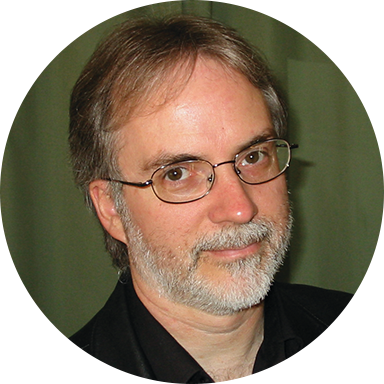
David Lantz III

David Lantz III splits his time between teaching vocal music in Pennsylvania's public schools and composing at a prolific pace. With roughly 500 published works across sacred and secular choral genres, he has also written for orchestra, symphonic band, jazz ensemble, and chamber ensembles, establishing himself as a versatile voice in contemporary choral music.

Beyond the score, Lantz works as a music editor and engraver, directs a church choir, and performs regularly as a bassist and vocalist in pop and jazz settings. He shares his home in northeastern Pennsylvania with his wife, composer Marti Lunn Lantz, and their five musically active children.

Why we love this

Lantz writes Latin rhythms that feel genuinely alive, never stiff or academic. The bilingual text gives your singers a cultural bridge to cross in a fun, accessible way, and the contemporary harmonies keep the piece from feeling like a pastiche. Directors report that this one gets genuine enthusiasm in rehearsal and brings real energy to a concert.

What to expect

From the first measures, you feel the pull of a party happening in real time. The English-Spanish interplay creates a sense of celebration and inclusivity, while the contemporary harmonies keep it modern and fresh rather than retro. By the end, the piece has built into something genuinely thrilling, with a momentum that makes you want to keep dancing.

Who it's for

This works for mixed choirs at the high school and community college level, as well as adult church and civic choirs seeking contemporary repertoire with cross-cultural appeal. It's ideal when you want your singers energized and your audience engaged without programming anything heavy or introspective.

How to get the most out of it

  • Nail the rhythmic precision in the Latin sections by having singers internalize the clave pattern before adding text; this anchors everything that layers on top.
  • Use the recorded accompaniment in early rehearsals to establish the groove, then gradually reduce reliance so singers own the rhythm themselves.
  • Build dynamic shape phrase by phrase during the final sections where the piece sizzles and grows; resist the temptation to go full volume too early.
  • Work staging and movement intentionally during rehearsal (not as an afterthought), since the text literally invites dancers to move from head to feet.

How to use it

Pair this with a slower, more introspective choral work earlier in the same set to create contrast, or save it as a concert closer when you want the audience to leave the hall smiling and energized. It also works beautifully on a spring or Latin-themed concert program, and its infectious quality makes it an excellent goodwill piece for community outreach.

Skills your students will build

  • Singing with consistent rhythmic precision in syncopated, Latin-based meters
  • Bilingual text delivery in English and Spanish with clear enunciation
  • Layering melodic and rhythmic parts while maintaining the groove
  • Coordinate movement and staging with sung material
  • Ensemble balance when multiple rhythmic layers occur simultaneously

You May Also Like
