¡Danza! Cover Image

¡Danza!: SAB Choral Octavo

$1.75 USD
Sale price  $1.75 USD Regular price 
Skip to product information
¡Danza! Cover Image

¡Danza!: SAB Choral Octavo

Words by Susan Bentall Boersma, music by David Lantz III

Item: 00-31129

makemusic Cloud badge

Need it now?

Buy Digital Version
$1.75
Shipped

One moment…

Description
This lively song features equal parts English and Spanish text, telling you to "dance . . . from your head down to your feet." And that's exactly what you'll want to do when performing the infectious Latin rhythms and the fresh contemporary harmonies. Sizzles and grows to the end. Featured on the Danza! Movement DVD (00-31225).

Don't just read it, hear it, play along with it, and watch your students grow with it. In MakeMusic Cloud, ¡Danza!: SAB Choral Octavo comes alive with professional accompaniment, adjustable tempo, and built-in practice tools that turn solo practice into real progress.

Sample Pages

Sample Audio
0:00
0:00
Sample Video
Additional Details
Series: Alfred Choral Designs
Publisher: Alfred Music
Page Count: 12
UPC: 038081339016
SKU: 00-31129

More about this title

About the Composer: David Lantz III
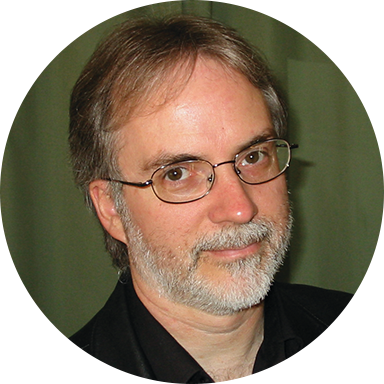
David Lantz III

David Lantz III has spent his career in music education as a full-time vocal director in Pennsylvania's public schools while maintaining a prolific output as a composer. His catalog exceeds 500 published works across sacred and secular styles, distributed through major American publishers, and spans orchestral, band, jazz, and chamber contexts alongside his choral writing.

Beyond composition, Lantz works as a music editor and engraver, directs church choirs, and performs regularly as a bassist and vocalist in pop and jazz settings. He shares his home in northeastern Pennsylvania with his wife, composer Marti Lunn Lantz, and their five musically trained children.

Why we love this

Lantz crafts a piece that genuinely makes singers want to move. The fusion of English and Spanish text with accessible Latin rhythms and contemporary harmonies feels fresh without alienating singers unfamiliar with the style, and the arc from infectious grooves to a powerful finish gives your singers a real payoff for their energy.

What to expect

The piece pulses with forward energy from the opening, driven by infectious Latin rhythms that make standing still nearly impossible. Contemporary harmonies keep the sound modern and fresh while the bilingual text adds cultural texture and variety, building steadily toward a climactic finish that justifies all that rhythmic momentum.

Who it's for

This piece works for middle school through high school mixed ensembles with a solid grasp of basic part singing and rhythmic independence. Singers who respond to contemporary styles and movement will thrive here, as will any program looking to program bilingual, genre-forward work alongside traditional repertoire.

How to get the most out of it

  • Lock the rhythm section (bass and percussion) early in rehearsals so the syncopated patterns feel anchored rather than chaotic; this clarity lets the upper voices sit confidently into the groove.
  • Treat the Spanish text as integral to the rhythmic feel, not decoration. Crisp diction on those syllables sharpens the Latin character and keeps the piece from dragging.
  • Build the dynamic arc deliberately across the piece; resist the urge to sing at full volume from the start. The sizzle mentioned in the description comes from the contrast between restrained grooves and the climactic final sections.

How to use it

Schedule this for a concert moment where you want to shift energy and audience mood. Its bilingual text and movement possibilities make it excellent for cultural programming, spring concerts, or any program benefit from a contemporary, rhythmically sophisticated piece that doesn't require a dramatic shift in venue or staging.

Skills your students will build

  • Rhythmic precision in syncopated Latin patterns
  • Bilingual text declamation (English and Spanish)
  • Part independence in contemporary harmonic contexts
  • Dynamic shaping and ensemble balance across longer musical arcs
  • Integration of movement and staging with vocal performance

You May Also Like
