Changamano Cover Image

Changamano: 2-Part Choral Octavo

$2.25 USD
Sale price  $2.25 USD Regular price 
Skip to product information
Changamano Cover Image

Changamano: 2-Part Choral Octavo

(Join Together--Swahili)

Music by Sally K. Albrecht and Jay Althouse

Item: 00-21179

makemusic Cloud badge
$2.25
Shipped

One moment…

Description
You'll feel the African pulse of this piece from the first measure. "Changamano, join together. Moja, moja, one by one." The text features seven Swahili words or phrases; a pronunciation guide and translations are included in the publication. It's a "music" song, it's a "unite as one" song, but most of all, it's a joy to sing. Includes optional solos and a treble trio descant. Staging Suggestions are featured on Sally's "Showtime!" video, Alfred #21176.

Don't just read it, hear it, play along with it, and watch your students grow with it. In MakeMusic Cloud, Changamano: 2-Part Choral Octavo comes alive with professional accompaniment, adjustable tempo, and built-in practice tools that turn solo practice into real progress.

Sample Pages

Sample Audio
0:00
0:00
Sample Video
Additional Details
Series: Alfred Archive Edition: Alfred Choral Designs
Publisher: Alfred Music
Page Count: 12
UPC: 038081201009
SKU: 00-21179

More about this title

About the Composer: Sally K. Albrecht
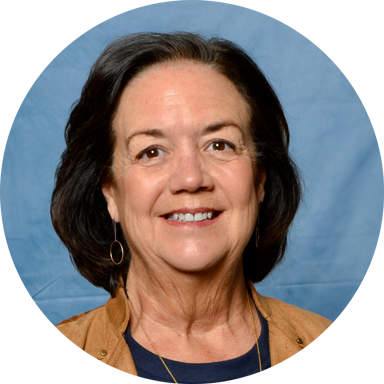
Sally K. Albrecht

Sally K. Albrecht has spent over three decades shaping choral music for young singers, first as Director of School Choral, Vocal, and Elementary Publications at Alfred Music, then as a prolific composer with more than 600 published works and 75 larger musicals and songbooks in circulation. Her compositions have earned her ASCAP Special Music Awards annually since 1987, and she has conducted honor choirs at Lincoln Center, Carnegie Hall, and The Kennedy Center. She holds degrees from Rollins College (B.A., 1976) and the University of Miami (M.A. in Drama, M.M. in Accompanying), and has taught at Oakland University, Jersey City State College, and Meredith College.

Albrecht is particularly recognized for integrating choral movement into her compositions, a signature that appears throughout her catalog. She collaborates regularly with composer and arranger Jay Althouse, her husband, and resides in Wake Forest, North Carolina. In 2021, she received the Distinguished Alumna Award from both the University of Miami Frost School of Music and Rollins College, where she serves on the Board of Trustees.

Why we love this

Albrecht and Althouse craft this piece to work immediately in rehearsal. The two-part writing accommodates mixed middle school or treble high school choirs without requiring divided sopranos, while the optional solos and treble trio descant let you showcase individual voices and create visual interest without adding complexity. The Swahili text (with pronunciation guide and translations provided) gives singers authentic cultural connection, and the rhythmic drive makes learning the material feel less like drills and more like celebration.

What to expect

From the opening measure, the African pulse grabs attention and holds it. The text moves between joy and purpose, with "Changamano" (join together) calling singers into community and "Moja, moja" (one by one) acknowledging individual voices within the collective. It's music that makes people want to move.

Who it's for

This octavo works for middle school and high school choirs, including treble or mixed ensembles at any level. If you have singers who respond to rhythmic drive and cultural repertoire, or if you're building a winter concert that includes both intimate and communal moments, this piece delivers both.

How to get the most out of it

  • Lock in the pulse early by having students clap or body-percuss the rhythm before adding the melody; the African rhythmic foundation carries the entire piece.
  • Work the Swahili pronunciation deliberately in the first week, using the guide included in the score so singers feel confident and own the language rather than treating it as ornamental.
  • Layer in the optional solos and descant after the two-part foundation is solid; this prevents the core melody from fragmenting and lets soloists shine without overwhelming the ensemble.
  • Use the recorded accompaniment to lock tempos and feel during early rehearsals, but consider gradually reducing reliance on it so the choir develops internal rhythmic independence.

How to use it

Pair this with other multicultural repertoire for a thematically cohesive set, or program it as a moment of brightness and unity in a winter concert that might otherwise lean introspective. The 12-page score is accessible enough for mid-season learning, making it ideal for January or February rehearsal calendars. Staging suggestions are available on Sally's "Showtime!" video (Alfred #21176), so you can layer in movement if your concert plan allows it.

Skills your students will build

  • Reading and performing in 2-part harmony
  • Pronouncing and internalizing Swahili language and text
  • Maintaining rhythmic independence in an ensemble with a strong pulse
  • Blending voices while maintaining individual clarity in optional solo passages

You May Also Like
