Changamano Cover Image

Changamano: SATB Choral Octavo

$2.25 USD
Sale price  $2.25 USD Regular price 
Skip to product information
Changamano Cover Image

Changamano: SATB Choral Octavo

(Join Together--Swahili)

Music by Sally K. Albrecht and Jay Althouse

Item: 00-21177

makemusic Cloud badge
$2.25
Shipped

One moment…

Description
You'll feel the African pulse of this piece from the first measure. "Changamano, join together. Moja, moja, one by one." The text features seven Swahili words or phrases; a pronunciation guide and translations are included in the publication. It's a "music" song, it's a "unite as one" song, but most of all, it's a joy to sing. Includes optional solos and a treble trio descant. Staging Suggestion are featured on Sally's "Showtime!" video, Alfred #21176.

Don't just read it, hear it, play along with it, and watch your students grow with it. In MakeMusic Cloud, Changamano: SATB Choral Octavo comes alive with professional accompaniment, adjustable tempo, and built-in practice tools that turn solo practice into real progress.

Sample Pages

Sample Audio
0:00
0:00
Sample Video
Additional Details
Series: Alfred Archive Edition: Alfred Choral Designs
Publisher: Alfred Music
Page Count: 12
UPC: 038081200989
SKU: 00-21177

More about this title

About the Composer: Sally K. Albrecht
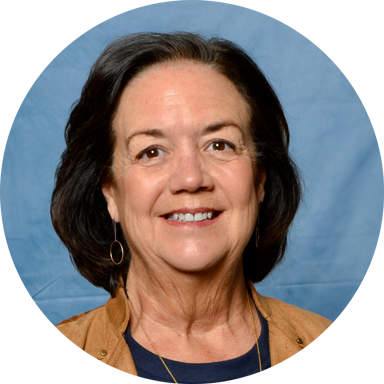
Sally K. Albrecht

Sally K. Albrecht brings three decades of publishing expertise to her prolific output as a choral composer. Since 1987, she has received annual ASCAP Special Music Awards and maintains over 600 published choral works alongside 75 larger stage musicals and songbooks. Her conducting experience spans major venues including Lincoln Center, Carnegie Hall, and The Kennedy Center, where she has led honor choirs and festivals across the United States.

Educated at Rollins College (B.A., 1976) and the University of Miami (M.A. in Drama, 1977; M.M. in Accompanying, 1979), Albrecht held leadership roles in choral and vocal publications at major educational music publishers before relocating to North Carolina. She has taught at Oakland University, Jersey City State College, and Meredith College. Among numerous recognitions, she received the Distinguished Alumna Award from both the University of Miami Frost School of Music and Rollins College in 2021, and served as Chair of the Board of Trustees for the Omicron Delta Kappa National Leadership Honor Society.

Why we love this

Albrecht and Althouse have crafted something genuinely infectious here. The Swahili text grounds the piece in cultural authenticity while the optional solos and treble trio descant give directors multiple options for spotlight moments without requiring special casting. It's the rare piece that delivers both musical substance and pure singing joy in equal measure.

What to expect

The moment the African pulse enters, the room shifts. There's immediacy and forward motion from the first measure, paired with the gentle insistence of voices joining together. The phrase "Changamano, join together" becomes both instruction and invitation, creating an atmosphere of unity that feels earned rather than imposed.

Who it's for

This octavo fits squarely in the hands of SATB choirs seeking authentic multicultural repertoire with accessible yet engaging writing. Directors programming Kwanzaa or winter celebrations will find a piece that teaches while it entertains, and ensembles at all levels can rise to the musicianship it demands.

How to get the most out of it

  • Lean into the rhythmic drive from the opening measure. The African pulse carries the piece forward, so keep the tempo steady and let the ensemble feel the pocket rather than rushing ahead.
  • Use the pronunciation guide to drill the Swahili phrases as a group before focusing on melodic accuracy. Once singers own the words, the text's meaning becomes part of their interpretation.
  • Consider the optional solos and descant as opportunities to showcase individual voices without creating hierarchy. Rotate who sings the featured parts if your ensemble allows it.
  • Reference Sally's 'Showtime!' video for staging ideas. The visual component can deepen the piece's cultural resonance and give singers concrete movement vocabulary to pair with the music.

How to use it

Slot this into a Kwanzaa concert or winter holiday program where it can stand alongside both traditional and contemporary repertoire without feeling isolated. Its relatively compact length and high engagement factor also make it an excellent choice for festivals, assembly performances, or contexts where you want to introduce singers to world music traditions with immediate joy.

Skills your students will build

  • Pronunciation and articulation of Swahili text
  • Rhythmic precision within an African musical idiom
  • Part independence and sectional balance in SATB texture
  • Integration of optional solos and descant lines within the ensemble
  • Cultural context and musical authenticity in global repertoire

You May Also Like
