Watu Wote Cover Image

Watu Wote: 2-Part/SSA Choral Octavo

$2.95 USD
Sale price  $2.95 USD Regular price 
Skip to product information
Watu Wote Cover Image

Watu Wote: 2-Part/SSA Choral Octavo

(All the People -- Swahili)

Music by Sally K. Albrecht and Jay Althouse

Item: 00-23607

makemusic Cloud badge
$2.95
Shipped

One moment…

Description
Sally and Jay are known for their excellent multicultural compositions and this new one continues the tradition in a whole new way. "All the people sing in harmony" loosely translates the message of this African influenced chorus sung on alternating Swahili and English words. Upbeat and up-to-date. Add Sally's choreography from the DVD #23853 or VHS #23855, and use the energized CD for added effect.

Don't just read it, hear it, play along with it, and watch your students grow with it. In MakeMusic Cloud, Watu Wote: 2-Part/SSA Choral Octavo comes alive with professional accompaniment, adjustable tempo, and built-in practice tools that turn solo practice into real progress.

Sample Pages

Sample Audio
0:00
0:00
Sample Video
Additional Details
Series: Alfred Archive Edition: Alfred Choral Designs
Publisher: Alfred Music
Page Count: 16
UPC: 038081239309
SKU: 00-23607

More about this title

About the Composer: Sally K. Albrecht
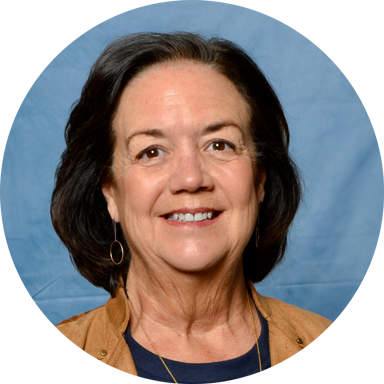
Sally K. Albrecht

Sally K. Albrecht has spent over 30 years shaping choral music education as a composer, conductor, and clinician. Her prolific output includes more than 600 choral works and 75 larger musicals and songbooks, many designed specifically for school choirs. She has guest conducted honor choirs at prestigious venues including Lincoln Center, Carnegie Hall, and The Kennedy Center, and held leadership positions in choral publication at major educational music publishers, most recently at Alfred Music. Her consistent recognition includes ASCAP Special Music Awards annually since 1987 and the Distinguished Alumna Award from both the University of Miami Frost School of Music and Rollins College, where she serves on the Board of Trustees.

Albrecht's distinctive contribution to choral education lies in her integration of movement and staging into musical composition, making her work especially valuable for directors seeking choreographed, physically engaging pieces. A native of Cleveland, Ohio, she earned her B.A. in Music and Theater from Rollins College (1976) and advanced degrees from the University of Miami, including an M.M. in Accompanying (1979). She has taught at Oakland University, Jersey City State College, and Meredith College. She and her husband, composer and arranger Jay Althouse, reside in Wake Forest, North Carolina.

Why we love this

Albrecht and Althouse have built their reputations on genuinely joyful multicultural repertoire, and this piece exemplifies their gift for making cross-cultural music feel both authentic and immediately singable. The alternating Swahili and English text gives choirs a natural entry point into world music without requiring specialized knowledge, while the message of universal harmony resonates across any audience. Programming it with the included choreography transforms a simple octavo into a memorable performance moment.

What to expect

Upbeat and contemporary, with African-influenced rhythms that invite movement and engagement. The alternating languages create textural variety while the straightforward 2-Part/SSA voicing keeps the focus on joy and accessibility rather than technical complexity.

Who it's for

This octavo works well for middle and high school choirs seeking repertoire that energizes both singers and audiences. It is equally effective for community and adult choirs wanting approachable multicultural material that connects to current, inclusive programming.

How to get the most out of it

  • Embrace the text switching between Swahili and English as a rhythmic and harmonic anchor; drill these transitions separately to build confidence and clarity in pronunciation.
  • Layer in the movement gradually during rehearsal rather than teaching music and staging simultaneously; once the singers own the melody and harmony, the choreography will enhance rather than distract.
  • Use the recorded accompaniment to establish the groove and energy level early; the piece thrives on rhythmic precision and forward momentum, so the recording sets essential context.

How to use it

This piece shines as an opening or closing number in a concert celebrating cultural diversity or global unity. It pairs well in a program that intentionally features world music, and its choreography makes it particularly suited to youth showcases or events where physical energy enhances the theme.

Skills your students will build

  • Swahili pronunciation and basic African language text setting
  • Singing in parallel thirds and other modal harmony typical of African vocal traditions
  • Coordinating singing with choreographed movement
  • Rhythmic precision in syncopated and driving accompaniment patterns

You May Also Like
