
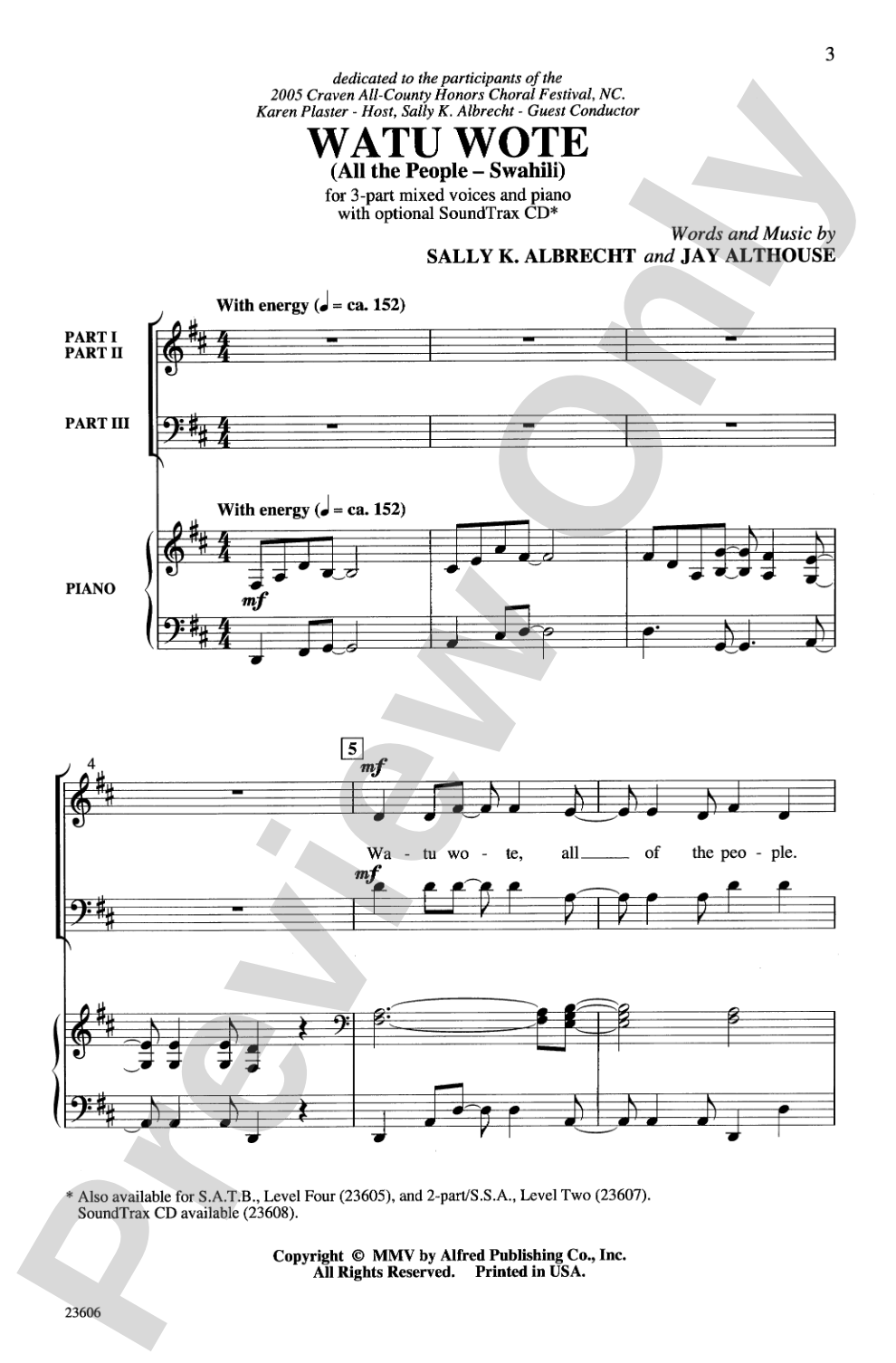
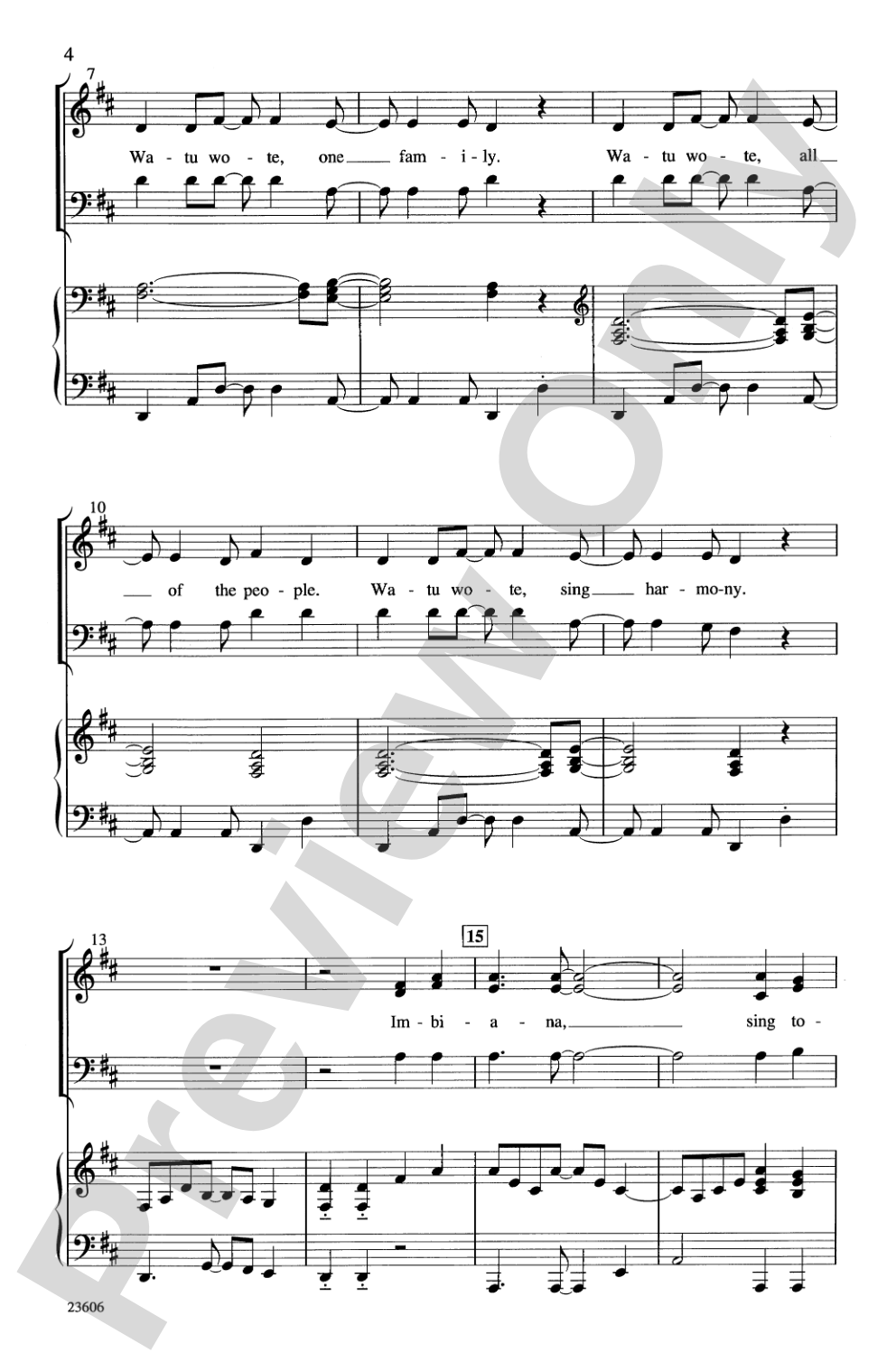

Watu Wote: 3-Part Mixed Choral Octavo
(All the People -- Swahili)
Music by Sally K. Albrecht and Jay Althouse
Item: 00-PO-0007698
$2.20
Minimum order quantity: 20 copies
Pickup currently not available
Related Items
Watu Wote: SoundTrax Digital Audio Download |
$27.99
|
View | |
Watu Wote (All the People -- Swahili): SATB Choral Octavo |
$2.95
|
View | |
Watu Wote (All the People---Swahili): 2-Part/SSA Choral Octavo |
$2.95
|
View | |
Watu Wote: SATB Choral Octavo |
$2.95
|
View | |
Watu Wote: 3-Part Mixed Choral Octavo |
$2.20
|
View | |
Watu Wote: 2-Part/SSA Choral Octavo |
$2.95
|
View | |
Watu Wote: Choral Octavo SoundTrax CD |
$27.99
|
View |
Description
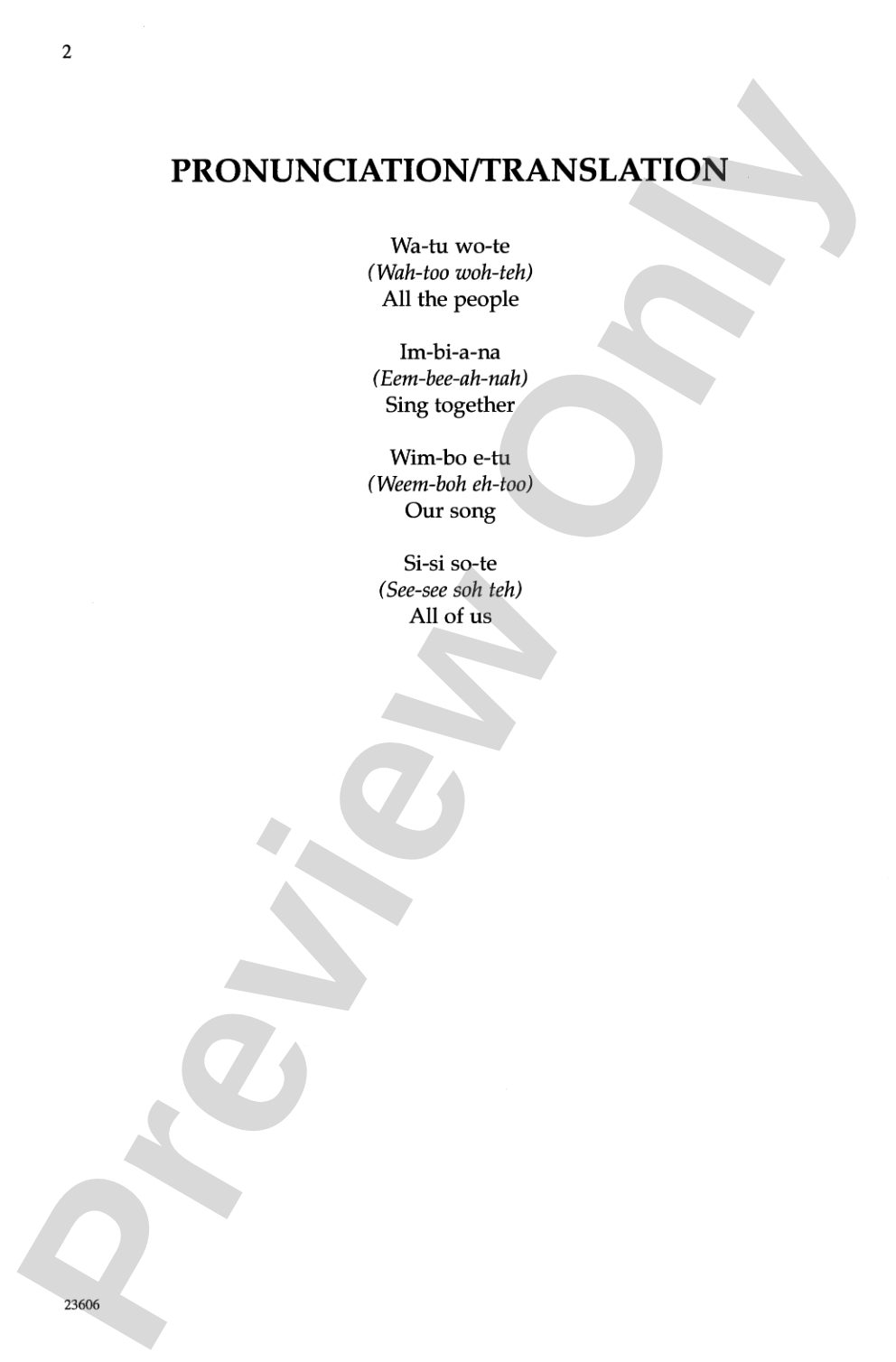
Sally and Jay are known for their excellent multicultural compositions and this new one continues the tradition in a whole new way. "All the people sing in harmony" loosely translates the message of this African influenced chorus sung on alternating Swahili and English words. Upbeat and up-to-date. Add Sally's choreography from the DVD #23853 or VHS #23855, and use the energized CD for added effect.


Watu Wote: 3-Part Mixed Choral Octavo isn't in MakeMusic Cloud just yet...but it could be. Let us know you'd like to see it, and you'll help shape what comes next. In the meantime, start a free trial and dive into thousands of interactive titles your students can play along with today.
Request This Title
Tell us you want it.
Start Your Free Trial
Explore everything that's ready to play right now.
Sample Audio
1
Audio File
--:--
0:00
0:00
Sample Video
No sample videos found.
Additional Details
Series:
Alfred Choral Designs
Publisher:
Alfred Music
Page Count:
16
SKU:
00-PO-0007698
More about this title
About the Composer: Sally K. Albrecht
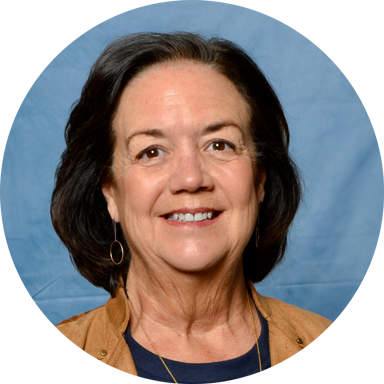
Sally K. Albrecht has shaped American choral music for decades as a composer, conductor, and champion of music with movement. Since 1987, she has received annual ASCAP Special Music Awards and maintains an enormous catalog of over 600 choral publications alongside full-length musicals and songbooks. Her conducting has been featured at prestigious venues including Lincoln Center, Carnegie Hall, and The Kennedy Center, and she spent more than thirty years directing school choral and vocal publications at major educational music publishers, including Alfred Music.
Albrecht holds degrees from Rollins College (B.A. in Music and Theater, 1976) and the University of Miami (M.A. in Drama, 1977; M.M. in Accompanying, 1979). She has taught at Oakland University in Michigan, Jersey City State College in New Jersey, and Meredith College in North Carolina. In 2021, she received the Distinguished Alumna Award from both the University of Miami Frost School of Music and Rollins College, where she serves on the Board of Trustees. She lives in Wake Forest, North Carolina, with her husband, composer and arranger Jay Althouse.
Why we love this
Albrecht and Althouse have crafted something genuinely joyful here, a piece that builds community through its message of unity while remaining musically fresh and accessible to young singers. The inclusion of movement staging options (available separately) means you're not just teaching a song; you're creating a complete performance experience that engages your ensemble physically and emotionally. It's the kind of repertoire that sits easily in your singers' voices while delivering real cultural substance.
What to expect
Bright, celebratory, and grounded in African musical sensibility, "Watu Wote" radiates infectious optimism. The interplay of Swahili and English creates both linguistic texture and a unifying message about collective harmony that audiences feel immediately.
Who it's for
This SAB octavo works for middle school, high school, and community choirs seeking multicultural repertoire with built-in engagement. The three-part voicing makes it accessible to younger or smaller choral programs without sacrificing musical sophistication.
How to get the most out of it
- Layer the recorded accompaniment with your singers' voices in rehearsal to establish the rhythmic drive early; this piece needs momentum to land its full impact.
- Work the Swahili pronunciation slowly and deliberately in sectionals before combining parts, ensuring accuracy doesn't get sacrificed for speed.
- If you incorporate the choreography, block it after the singers are secure with notes and rhythms; adding movement too early will fragment focus.
- Bring a buoyant, energized tone throughout; this is music meant to celebrate and uplift, not introspect.
How to use it
This works beautifully as a concert opener or closing number, its optimistic message and upbeat character set a celebratory tone. Pair it with other multicultural selections or position it alongside spirituals and world music to create a thematic program centered on unity and cultural expression.
Skills your students will build
- Pronunciation and musicality in a non-English language
- Rhythmic precision in energetic, syncopated contexts
- Integration of movement and vocal performance
- Blend and balance in three-part mixed voicing
- Cultural awareness and respectful interpretation of world music traditions