Watu Wote Cover Image

Watu Wote: SoundTrax Digital Audio Download

$27.99 USD
Sale price  $27.99 USD Regular price 
Skip to product information
Watu Wote Cover Image

Watu Wote: SoundTrax Digital Audio Download

(All the People -- Swahili)

Music by Sally K. Albrecht and Jay Althouse

Item: 00-A-00014868

$27.99
Digital Download
Description

Watu Wote: SoundTrax Digital Audio Download isn't in MakeMusic Cloud just yet...but it could be. Let us know you'd like to see it, and you'll help shape what comes next. In the meantime, start a free trial and dive into thousands of interactive titles your students can play along with today.

Sample Pages

No sample pages found.

Sample Audio
0:00
0:00
Sample Video
Additional Details
Series: Alfred Choral Designs
Publisher: Alfred Music
SKU: 00-A-00014868

More about this title

About the Composer: Sally K. Albrecht
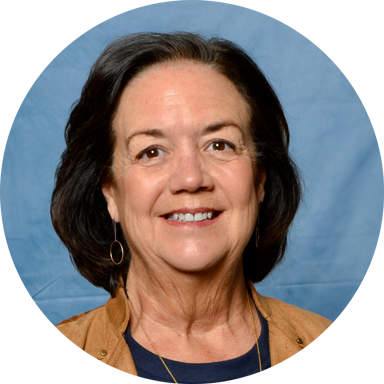
Sally K. Albrecht

Sally K. Albrecht has shaped American choral music for over four decades as a composer, conductor, and vocal music educator. Her catalog exceeds 600 published choral works, alongside 75 larger musicals and songbooks, earning her consecutive ASCAP Special Music Awards since 1987. She spent more than thirty years directing school choral and vocal publications at major educational music publishers, including Alfred Music, and has conducted honor choirs at prestigious venues such as Lincoln Center, Carnegie Hall, and The Kennedy Center.

Albrecht holds degrees from Rollins College (B.A. in Music and Theater, 1976), the University of Miami (M.A. in Drama, 1977; M.M. in Accompanying, 1979), and has taught at Oakland University, Jersey City State College, and Meredith College. In 2021, she received the Distinguished Alumna Award from both the University of Miami Frost School of Music and Rollins College, where she serves on the Board of Trustees. She is widely recognized for her distinctive approach to choral movement and staging, a signature element throughout her compositions.

Why we love this

This piece brings together thoughtful multicultural content with movement that feels natural rather than forced, which means your students engage physically without losing focus on the singing. Albrecht's gift for accessible yet sophisticated choral writing means even modest ensembles sound polished, and the recorded accompaniment lets you shape tempos and dynamics while keeping everything locked together.

What to expect

Watu Wote carries warmth and gentle accessibility, inviting singers and audiences into a space of connection and reflection. The combination of Albrecht and Althouse's harmonies with integrated movement creates an experience that feels both contemporary and timeless.

Who it's for

This octavo works for intermediate to advanced mixed choirs seeking repertoire with cultural substance and visual impact. Programs benefit from a ensemble comfortable with modest physical staging and singers ready to engage thoughtfully with multicultural material.

How to get the most out of it

  • Start rehearsing the movement vocabulary early and separately from the singing; once students internalize the gestures, integrate them gradually so the physicality becomes an extension of the music rather than a distraction.
  • Use the recorded accompaniment as a rehearsal tool first, letting singers lock onto the harmonic support before performing without it; this builds confidence and intonation awareness.
  • Keep the emotional arc of the piece in focus during staging work; the movement should reflect the lyrical content and cultural context, not overshadow it.

How to use it

Program this as a featured piece on a concert celebrating diversity and global voices, or use it as an opener that sets a reflective, inclusive tone for the evening. The movement component also makes it an effective selection for spring concerts or community events where visual storytelling strengthens the musical message.

Skills your students will build

  • Integrating choreography with vocal performance without compromising intonation or blend
  • Interpreting multicultural material with cultural sensitivity and awareness
  • Responding to recorded accompaniment with ensemble cohesion and rhythmic precision
  • Building stage presence through meaningful, purposeful movement

You May Also Like