Watu Wote Cover Image

Watu Wote: SATB Choral Octavo

$2.95 USD
Sale price  $2.95 USD Regular price 
Skip to product information
Watu Wote Cover Image

Watu Wote: SATB Choral Octavo

(All the People -- Swahili)

Music by Sally K. Albrecht and Jay Althouse

Item: 00-23605

makemusic Cloud badge
$2.95
Shipped

One moment…

Description
Sally and Jay are known for their excellent multicultural compositions and this new one continues the tradition in a whole new way. "All the people sing in harmony" loosely translates the message of this African influenced chorus sung on alternating Swahili and English words. Upbeat and up-to-date. Add Sally's choreography from the DVD #23853 or VHS #23855, and use the energized CD for added effect.

Don't just read it, hear it, play along with it, and watch your students grow with it. In MakeMusic Cloud, Watu Wote: SATB Choral Octavo comes alive with professional accompaniment, adjustable tempo, and built-in practice tools that turn solo practice into real progress.

Sample Pages

Sample Audio
0:00
0:00
Sample Video
Additional Details
Series: Alfred Archive Edition: Alfred Choral Designs
Publisher: Alfred Music
Page Count: 16
UPC: 038081239286
SKU: 00-23605

More about this title

About the Composer: Sally K. Albrecht
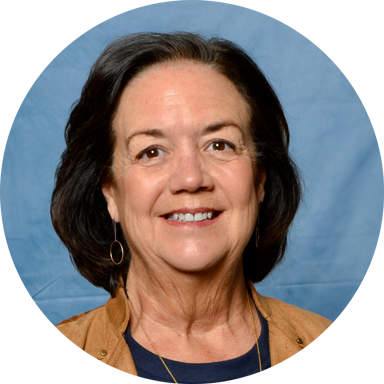
Sally K. Albrecht

Sally K. Albrecht has shaped American choral music for over four decades as a composer, conductor, and clinician with a particular gift for integrating movement into choral performance. Since 1987, she has received the ASCAP Special Music Award annually and maintains more than 600 published choral works alongside 75 songbooks and musicals. Her experience as Director of School Choral, Vocal, and Elementary Publications at Alfred Music, combined with conducting roles at prestigious venues including Lincoln Center, Carnegie Hall, and The Kennedy Center, positions her as a leading voice in accessible, engaging choral literature.

Albrecht holds degrees from Rollins College (B.A. in Music and Theater, 1976) and the University of Miami (M.A. in Drama, 1977; M.M. in Accompanying, 1979). She has taught at Oakland University, Jersey City State College, and Meredith College and served as Chair of the Board of Trustees for Omicron Delta Kappa National Leadership Honor Society. In 2021, she received the Distinguished Alumna Award from both the University of Miami Frost School of Music and Rollins College. She and her husband, composer and arranger Jay Althouse, reside in Wake Forest, North Carolina.

Why we love this

Albrecht and Althouse craft a piece that delivers genuine cultural engagement without sacrificing musical accessibility or fun. The alternation between Swahili and English text creates natural call-and-response momentum, while the upbeat character keeps singers energized through rehearsal and performance. When paired with the optional choreography and recorded accompaniment, this piece becomes a complete performance experience that audiences remember.

What to expect

The piece radiates warmth and communal energy, with the Swahili and English text working together to create a sense of unity and shared celebration. The African influences and steady rhythmic drive give it contemporary vitality, while the harmonic foundation stays grounded enough that singers never feel lost. Performed well, it generates genuine joy in both the singers and the audience.

Who it's for

This octavo works well for middle school through high school SATB choirs seeking repertoire that balances cultural authenticity with accessibility and audience appeal. Directors programming concerts around multicultural themes, world music traditions, or uplifting secular messages will find this piece delivers immediate impact without excessive technical demands.

How to get the most out of it

  • Clarify the Swahili pronunciation early in rehearsal; consider assigning individual singers to lead the first occurrence of each Swahili phrase so the whole choir hears it modeled before joining in
  • Lean into the rhythmic vitality of the piece by keeping the ensemble together through the recorded accompaniment during early rehearsals, then gradually move toward singing confidently without it
  • If using the choreography, introduce staging and movement only after singers are secure with music and text; this prevents cognitive overload and allows performers to focus on quality of sound first
  • Build dynamic contrast between the alternating language sections to highlight the textual shifts and maintain listener engagement throughout the piece

How to use it

Program this as an opening number to set an uplifting, inclusive tone for a concert, or use it as a bridge between thematic sections of a larger show. It pairs naturally with other world music selections and sits well alongside pieces that explore language, identity, or cultural celebration. The optional choreography and recorded accompaniment make it particularly effective as a visual and sonic statement in a spring or end-of-year concert.

Skills your students will build

  • Pronunciation and diction in Swahili and English
  • Singing with rhythmic precision across alternating text sections
  • Balancing harmony parts in an African-influenced harmonic language
  • Integrating movement and staging with vocal performance
  • Building unison and ensemble cohesion in a high-energy context

You May Also Like
