Still I Rise Cover Image

Still I Rise: Choral Octavo SoundTrax CD

$29.99 USD
Sale price  $29.99 USD Regular price 
Skip to product information
Still I Rise Cover Image

Still I Rise: Choral Octavo SoundTrax CD

From Like Dust I Rise (A Choral Song Cycle)

Text by Maya Angelou, music by Mark Hayes

Item: 00-46426

$29.99
Shipped

One moment…

Description
Maya Angelou's most popular poem about triumph over adversity comes brilliantly to life in this vivid setting by Mark Hayes. The bright shuffle tempo and bluesy piano riffs perfectly embody Angelou's strength, courage, and determination to rise above. One of the most uplifting choral selections of our time! This is the final movement from the song cycle Like Dust I Rise.

Still I Rise: Choral Octavo SoundTrax CD isn't in MakeMusic Cloud just yet...but it could be. Let us know you'd like to see it, and you'll help shape what comes next. In the meantime, start a free trial and dive into thousands of interactive titles your students can play along with today.

Sample Pages

No sample pages found.

Sample Audio

SATB Recording

0:00
0:00
Sample Video
Additional Details
Series: Alfred Choral Designs
Publisher: Alfred Music
UPC: 038081528052
SKU: 00-46426

More about this title

About the Composer: Mark Hayes
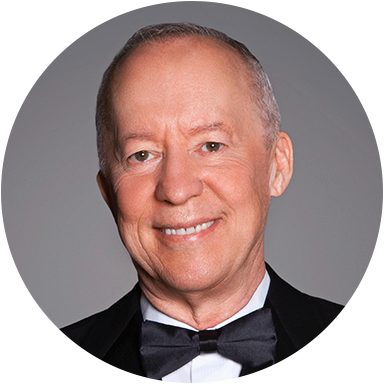
Mark Hayes

Mark Hayes has established himself as one of the most prolific composers in choral music, with over 1,750 published works spanning sacred, secular, and theatrical genres. A summa cum laude graduate in piano performance from Baylor University, he has conducted world premieres at Lincoln Center and been commissioned for major anniversaries and festivals globally, including the Vatican-sponsored Festival Pro Musica E Arte Sacra in Rome.

Beyond the choral field, Hayes is deeply invested in orchestration and record production, with particular passion for writing for solo piano. His work in musical theater has been recognized with multiple awards, and his influence extends across concert halls, churches, and educational institutions worldwide. Whether premiering large-scale works or crafting intimate choral settings, his compositional voice consistently prioritizes accessibility without sacrificing artistic depth.

Why we love this

Hayes captures the raw emotional core of Angelou's words without overshadowing them; the shuffle groove and bluesy piano language feel earned rather than applied. This setting lands in that rare territory where contemporary idiom and literary substance reinforce each other, making it genuinely moving to perform rather than merely pleasing to hear.

What to expect

Confidence wrapped in rhythm. The shuffle tempo and bluesy piano create an almost conversational ease, yet the harmonic language and choral writing carry real dignity. There's a quality of quiet insistence throughout, building toward moments of genuine affirmation without ever becoming sentimental.

Who it's for

Choirs seeking repertoire that speaks directly to contemporary concerns while maintaining sophisticated musical language. This works equally well in concert settings focused on social justice themes, educational contexts exploring African American poetry and music, or any ensemble ready to tackle material with both textual and musical substance.

How to get the most out of it

  • Establish the groove early in rehearsal. The shuffle feel is the piece's backbone; lock it with your rhythm section and let the vocal lines sit naturally on top rather than over it.
  • Balance the text clarity with the bluesy inflection. Angelou's language is direct and powerful; don't let the stylistic setting soften the strength of the words.
  • Work the recorded accompaniment in at sectional rehearsals before full ensemble run-throughs. Singers often need time to find their place within the groove before adding ensemble awareness.
  • Shape the dynamics to build momentum toward the final assertions. This piece thrives on accumulation; each statement should feel slightly weightier than the last.

How to use it

Position this as a concert centerpiece or strong closing number; the thematic weight and musical momentum make it valuable in programs exploring resilience, identity, or contemporary choral writing. It pairs naturally with other settings of African American literature or spiritually-inflected secular pieces that prioritize lyrical and rhythmic sophistication.

Skills your students will build

  • Singing through shuffle and swing rhythms while maintaining vocal clarity
  • Balancing groove-based accompaniment with lyrical ensemble writing
  • Interpreting contemporary harmonic language rooted in jazz vocabulary
  • Connecting literary text to musical gesture and phrasing
  • Responding to recorded accompaniments with rhythmic precision and flexibility

You May Also Like