Still I Rise Cover Image

Still I Rise: SATB Choral Octavo

$2.00 USD
Sale price  $2.00 USD Regular price 
Skip to product information
Still I Rise Cover Image

Still I Rise: SATB Choral Octavo

From Like Dust I Rise (A Choral Song Cycle)

Text by Maya Angelou, music by Mark Hayes

Item: 00-46423

makemusic Cloud badge

Need it now?

Buy Digital Version
$2.00
Shipped

One moment…

Description
Maya Angelou's most popular poem about triumph over adversity comes brilliantly to life in this vivid setting by Mark Hayes. The bright shuffle tempo and bluesy piano riffs perfectly embody Angelou's strength, courage, and determination to rise above. One of the most uplifting choral selections of our time! This is the final movement from the song cycle Like Dust I Rise.

Don't just read it, hear it, play along with it, and watch your students grow with it. In MakeMusic Cloud, Still I Rise: SATB Choral Octavo comes alive with professional accompaniment, adjustable tempo, and built-in practice tools that turn solo practice into real progress.

Sample Pages

Sample Audio
1 Audio File --:--
2 SATB Recording --:--

Audio File

0:00
0:00
Sample Video
Additional Details
Series: Alfred Choral Designs
Publisher: Alfred Music
Page Count: 16
UPC: 038081528021
SKU: 00-46423

More about this title

About the Composer: Mark Hayes
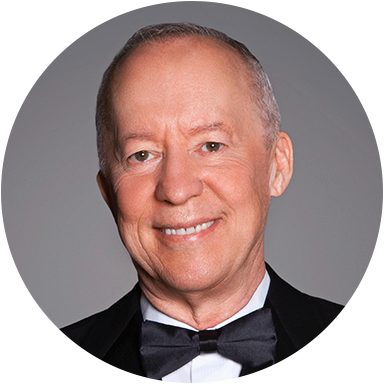
Mark Hayes

Mark Hayes has established himself as one of the most prolific composers working in choral and piano music today, with over 1,750 published compositions across multiple genres. A summa cum laude graduate in Piano Performance from Baylor University, Hayes brings both technical mastery and accessibility to his writing. His work spans sacred and secular contexts, orchestral arrangements, musical theater, and piano repertoire ranging from gospel to classical to jazz.

Throughout his career, Hayes has conducted world premieres and major performances at Lincoln Center, Carnegie Hall, and the National Cathedral. His compositions have won numerous awards, including recognition from Baylor University's Center for Christian Music Studies in 2010 for his contributions to the field. Whether composing at his base in Kansas City or conducting internationally, Hayes remains committed to creating music that serves both performers and audiences across all skill levels.

Why we love this

Hayes captures the defiant energy of Angelou's words without sentimentalizing them. The shuffle groove and bluesy piano writing give choirs permission to swing, to breathe differently than they might in traditional classical settings, which itself becomes a form of musical resilience that mirrors the poem's message of rising and persisting.

What to expect

Bright and propulsive, with the confident swagger of a blues-inflected shuffle. The piano riffs anchor a sound that feels both contemporary and timeless, grounded in the rhythmic traditions Angelou herself invoked. There's joy here alongside the determination, the kind of resilience that comes from looking difficulty in the eye and refusing to back down.

Who it's for

This arrangement serves intermediate to advanced mixed choirs looking for repertoire that challenges voices while remaining accessible to sing. It works equally well in concert settings, festival programs, or occasions calling for music that speaks to themes of courage and social justice with both musical sophistication and immediate emotional impact.

How to get the most out of it

  • Encourage soloists and section leaders to articulate the text crisply through the shuffle groove; the rhythmic clarity will cut through the laid-back feel and keep the words front and center.
  • Work the dynamic shape from the quiet, introspective moments into the fuller, brighter passages so the arc feels earned rather than simply louder.
  • Use the recorded accompaniment in rehearsal to anchor the shuffle feel, then gradually pull back its volume in performance so your ensemble's rhythm drives the sound.

How to use it

Program this as a closing statement on a concert exploring themes of perseverance, or pair it with other contemporary secular choral works that take rhythmic risks. It also serves as a powerful bridge between classical programming and more eclectic, modern repertoire, showing your audience what choral music can be when composers embrace vernacular musical language.

Skills your students will build

  • Singing in shuffle rhythm and understanding swing-style articulation
  • Sustaining blend while maintaining rhythmic independence in a groove-based texture
  • Text painting and declamation through contemporary harmonic language
  • Stylistic flexibility and confidence moving between classical and blues-inflected idioms

You May Also Like
