Still I Rise Cover Image

Still I Rise: TTBB Choral Octavo

$2.00 USD
Sale price  $2.00 USD Regular price 
Skip to product information
Still I Rise Cover Image

Still I Rise: TTBB Choral Octavo

From Like Dust I Rise (A Choral Song Cycle)

Text by Maya Angelou, music by Mark Hayes

Item: 00-46425

makemusic Cloud badge

Need it now?

Buy Digital Version
$2.00
Shipped

One moment…

Description
Maya Angelou's most popular poem about triumph over adversity comes brilliantly to life in this vivid setting by Mark Hayes. The bright shuffle tempo and bluesy piano riffs perfectly embody Angelou's strength, courage, and determination to rise above. One of the most uplifting choral selections of our time! This is the final movement from the song cycle Like Dust I Rise.

Don't just read it, hear it, play along with it, and watch your students grow with it. In MakeMusic Cloud, Still I Rise: TTBB Choral Octavo comes alive with professional accompaniment, adjustable tempo, and built-in practice tools that turn solo practice into real progress.

Sample Pages

Sample Audio
1 Audio File --:--
2 SATB Recording --:--

Audio File

0:00
0:00
Sample Video
Additional Details
Series: Alfred Choral Designs
Publisher: Alfred Music
Page Count: 16
UPC: 038081528045
SKU: 00-46425

More about this title

About the Composer: Mark Hayes
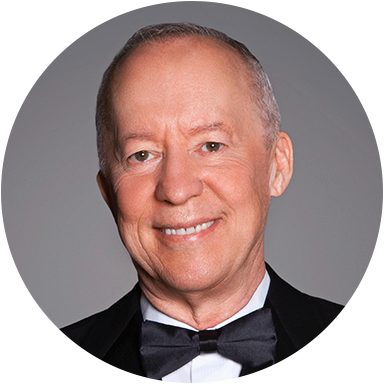
Mark Hayes

Mark Hayes is a prolific composer and arranger whose published works exceed 1,750 compositions spanning sacred and secular genres. A summa cum laude graduate of Baylor University in piano performance, Hayes has established himself as a sought-after guest conductor at major venues including Lincoln Center, the National Cathedral, and Carnegie Hall. His choral and orchestral works have been performed internationally, and he conducted the world premiere of his Requiem at Lincoln Center in 2013 and again at St. Ignatius Basilica in Rome as part of a Vatican-sponsored festival in 2014.

Beyond his classical and sacred music practice, Hayes is deeply invested in musical theater, having composed the score for Civil War Voices (which earned six awards at the Midtown International Theatre Festival) and arranged music for several theatrical productions. His catalog includes over 100 piano publications ranging from gospel to jazz to classical arrangements. Based in Kansas City, Missouri, Hayes continues to compose with a stated commitment to creating beautiful music for audiences worldwide.

Why we love this

This setting captures something essential about Angelou's poem: an unshakeable human spirit refusing to be diminished. Hayes's shuffle rhythm and bluesy accompaniment strip away sentimentality and give the text real swing, making it powerful for singers who might otherwise find the poem intimidating. Programming it means offering your ensemble a contemporary piece that actually moves people, not just a clever arrangement.

What to expect

Bright and propulsive, with an undercurrent of quiet defiance. The bluesy piano riffs and shuffle tempo create a conversational, almost spoken-word energy that honors Angelou's voice while the four-part voicing adds sophistication and warmth.

Who it's for

TTBB ensembles seeking a contemporary secular work with real substance and accessibility. This piece works for college choirs, community choruses, and advanced high school groups comfortable with the thematic weight and contemporary harmonic language.

How to get the most out of it

  • Commit fully to the shuffle feel in the accompaniment. The rhythm section groove is the backbone of the arrangement, so lock in early in rehearsal and maintain that pocket throughout.
  • Shape the text with purpose. Angelou's repetition and parallel phrasing are structural; help singers understand how each iteration builds determination rather than sounding rote.
  • Balance ensemble blend against clarity of the text. With four voice parts, clarity of diction matters enormously when layers overlap; drill the consonants.

How to use it

This is a powerful closer for a concert, especially one addressing themes of resilience, social justice, or personal triumph. It pairs naturally with other contemporary choral works or spiritual arrangements, and its length (16 pages) makes it a substantial anchor without demanding an entire second half of the program.

Skills your students will build

  • Singing in a contemporary shuffle/swing feel with precision
  • Interpreting text with emotional conviction and rhythmic clarity
  • Blending four independent voice parts while maintaining textual intelligibility
  • Understanding and executing bluesy harmony and phrasing

You May Also Like
