

Sing Alleluia, Clap Your Hands: SSAA, a cappella Choral Octavo
Words and music by Sally K. Albrecht
Item: 00-PO-0006883
$2.20
Minimum order quantity: 20 copies
Pickup currently not available
Related Items
Sing Alleluia, Clap Your Hands: SATB, a cappella Choral Octavo |
$2.10
|
View | |
Sing Alleluia, Clap Your Hands: SSAB, a cappella Choral Octavo |
$2.25
|
View | |
Sing Alleluia, Clap Your Hands: SATB, a cappella Choral Octavo |
$2.10
|
View | |
Sing Alleluia, Clap Your Hands: SSAB, a cappella Choral Octavo |
$2.25
|
View | |
Sing Alleluia, Clap Your Hands: SSAA, a cappella Choral Octavo |
$2.20
|
View |
Description
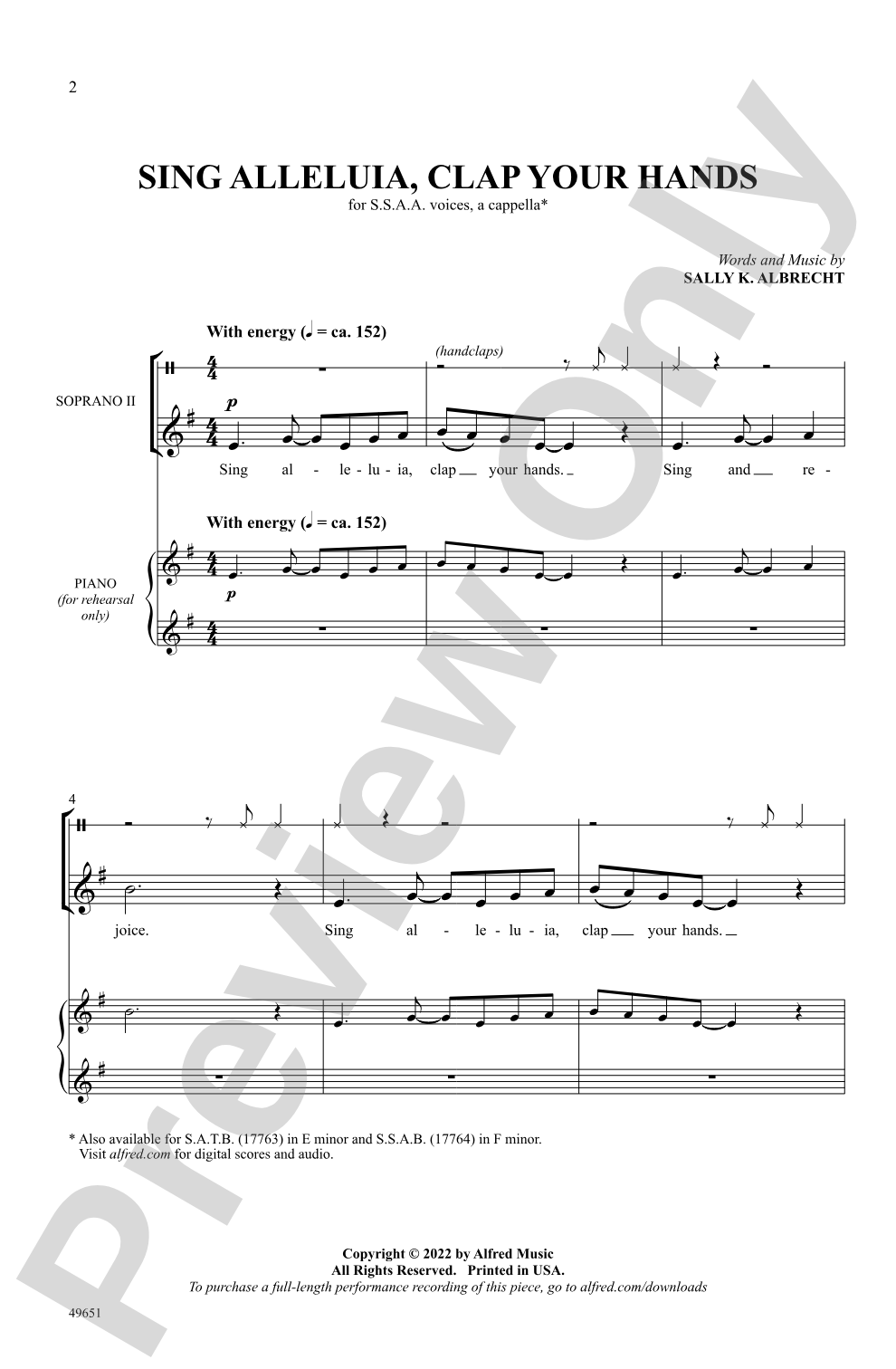
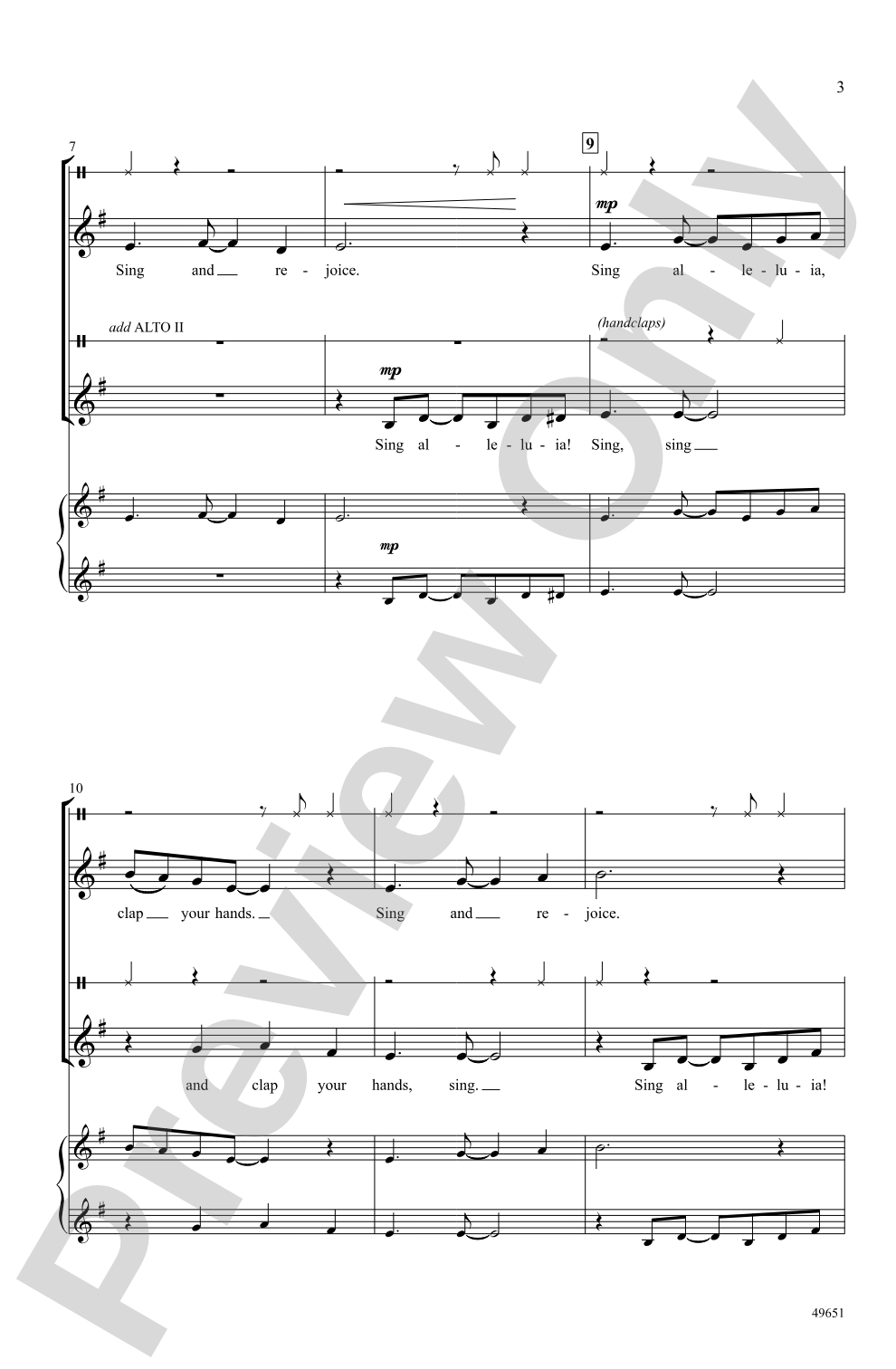
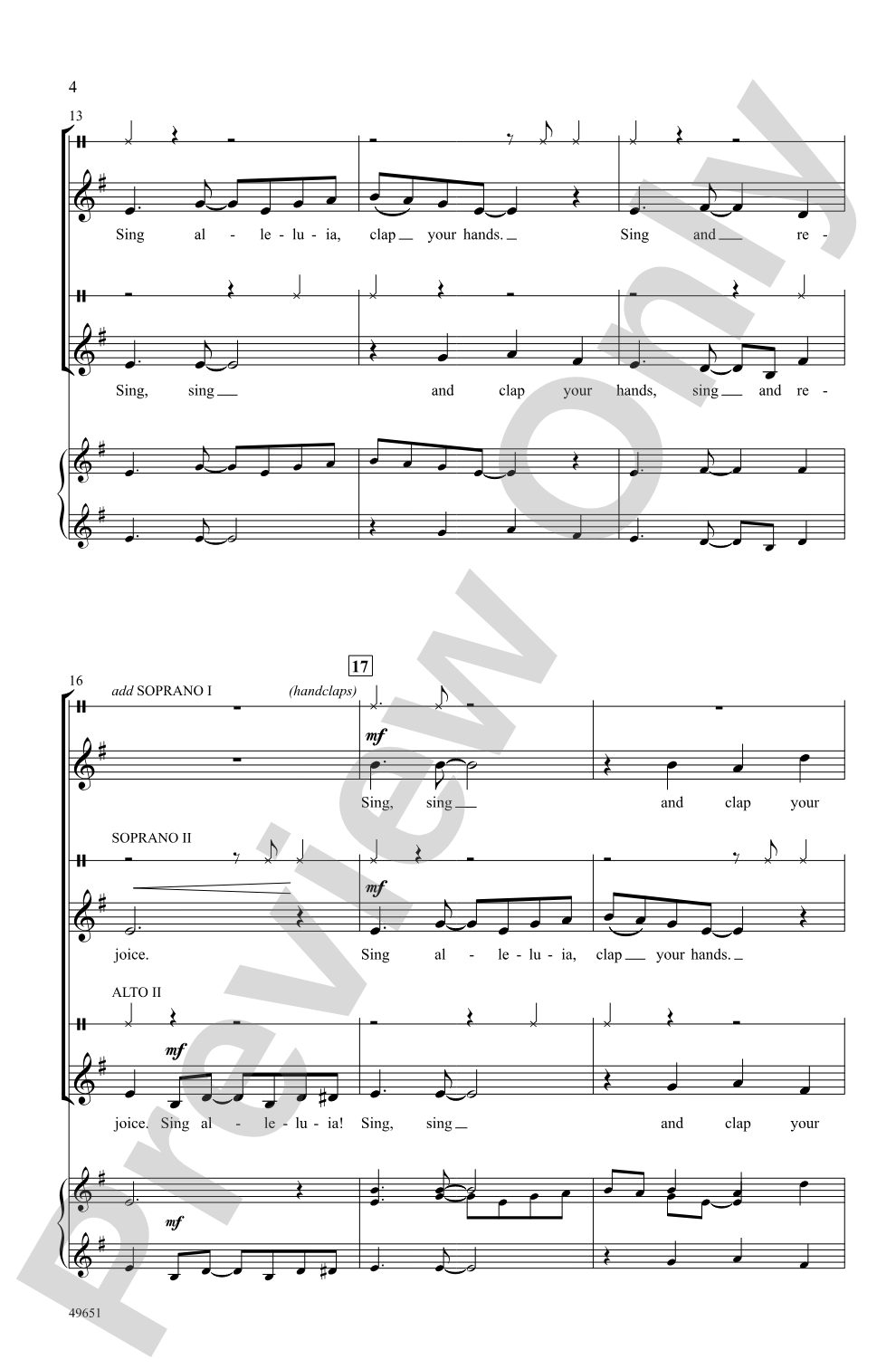
Stacked vocal lines and counterpoint handclaps sound (and look) stunning! Each voice part introduces its own independent melody with claps, until everything combines in joyful polyphony. Some chordal singing and a call-and-response section provide contrast before an energized reprise leads to the brilliant final flourish. A remarkably effective concert/contest feature, newly available for SSAA groups.


Sing Alleluia, Clap Your Hands: SSAA, a cappella Choral Octavo isn't in MakeMusic Cloud just yet...but it could be. Let us know you'd like to see it, and you'll help shape what comes next. In the meantime, start a free trial and dive into thousands of interactive titles your students can play along with today.
Request This Title
Tell us you want it.
Start Your Free Trial
Explore everything that's ready to play right now.
Sample Audio
1
Audio File
--:--
0:00
0:00
Sample Video
1 / 2
Additional Details
Series:
Alfred Choral Designs
Publisher:
Alfred Music
Page Count:
16
SKU:
00-PO-0006883
More about this title
About the Composer: Sally K. Albrecht
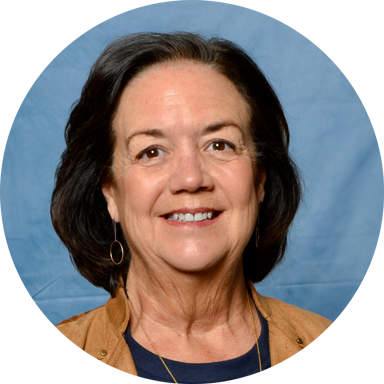
Sally K. Albrecht has shaped American choral music for over three decades as a composer, conductor, and educator. A consistent recipient of the ASCAP Special Music Award since 1987, she has published more than 600 choral works alongside 75 larger musicals and songbooks. Her conducting has taken her to honor choir festivals at Lincoln Center, Carnegie Hall, and The Kennedy Center, and she previously served as Director of School Choral, Vocal, and Elementary Publications at Alfred Music.
Educated at Rollins College (B.A. in Music and Theater, 1976) and the University of Miami (M.A. in Drama, 1979; M.M. in Accompanying, 1977), Albrecht has taught at Oakland University, Jersey City State College, and Meredith College. Her distinctive approach to choral writing frequently incorporates movement and staging, engaging singers and audiences alike. In 2021, she received the Distinguished Alumna Award from both Rollins College and the University of Miami Frost School of Music.
Why we love this
Albrecht's gift for layering independent melodies into coherent, visually striking polyphony makes this piece a natural showstopper. The integration of rhythmic handclaps as a compositional element (not mere accompaniment) transforms what could be a simple choral moment into something theatrical and memorable. For SSAA groups seeking a concert or festival feature with genuine musical substance and built-in movement appeal, this delivers high impact without gimmickry.
What to expect
Joyful and energized, with an infectious sense of celebration that builds from the introduction of individual melodic lines through the rich polyphonic texture. The rhythmic handclaps create a tactile, almost dance-like quality that lifts the piece beyond typical a cappella settings. By the final flourish, the combination of interlocking voices and percussive drive creates an exhilarating, unified sound that feels genuinely triumphant.
Who it's for
SSAA choirs with solid musicianship and comfort with independent voice parts will thrive with this piece. It suits advanced high school ensembles, college groups, and adult choirs looking for a feature that demonstrates both technical skill and dynamic stage presence. Directors seeking music that engages audiences visually while maintaining compositional integrity will find a strong partner here.
How to get the most out of it
- Begin rehearsals by isolating each voice part's entrance and independent melody line; singers need to own their individual material before blending occurs, since the polyphonic texture relies on clarity rather than blend.
- Establish precise handclap patterns early and drill them as rhythmic ostinatos alongside the vocal lines. Assign specific singers to lead claps in each section so responsibility is clear and the percussive layer stays locked.
- Shape the call-and-response section with dynamic contrast and clear phrase direction; this provides breathing room after the polyphonic density and sets up the final reprise effectively.
- Rehearse the final flourish with full voice and energy to land the brilliant conclusion; this is your moment to showcase the ensemble's cohesion and power.
How to use it
This works beautifully as a concert closer or festival feature where visual and sonic impact matter equally. Pair it with more introspective repertoire earlier in the program to maximize the contrast and energy of the final set. The piece's theatrical staging potential also makes it ideal for spring concerts or community performances where audience engagement and memorable moments are priorities.
Skills your students will build
- Independent voice part singing within polyphonic textures
- Rhythmic precision when coordinating vocal lines with handclap patterns
- Maintaining a steady internal pulse while other parts move independently
- Dynamic control and energy management through layered sonority
- Musical interpretation of call-and-response dialogue
- Integrating movement and sound as unified compositional elements