Sing Alleluia, Clap Your Hands Cover Image

Sing Alleluia, Clap Your Hands: SATB, <I>a cappella</I> Choral Octavo

$2.10 USD
Sale price  $2.10 USD Regular price 
Skip to product information
Sing Alleluia, Clap Your Hands Cover Image

Sing Alleluia, Clap Your Hands: SATB, a cappella Choral Octavo

Words and music by Sally K. Albrecht

Item: 00-17763

makemusic Cloud badge

Need it now?

Buy Digital Version
$2.10
Shipped

One moment…

Description
Stacked vocal lines and counterpoint handclaps sound (and look) stunning! Each voice part introduces its own independent melody with claps, until everything combines in joyful polyphony. Some chordal singing and a call-and-response section provide contrast before an energized reprise leads to the brilliant final flourish. A remarkably effective concert/contest feature. This title is available in MakeMusic Cloud.

Don't just read it, hear it, play along with it, and watch your students grow with it. In MakeMusic Cloud, Sing Alleluia, Clap Your Hands: SATB, a cappella Choral Octavo comes alive with professional accompaniment, adjustable tempo, and built-in practice tools that turn solo practice into real progress.

Sample Pages

Sample Audio
0:00
0:00
Sample Video
Additional Details
Series: Alfred Choral Designs
Publisher: Alfred Music
Page Count: 12
UPC: 038081158037
SKU: 00-17763

More about this title

About the Composer: Sally K. Albrecht
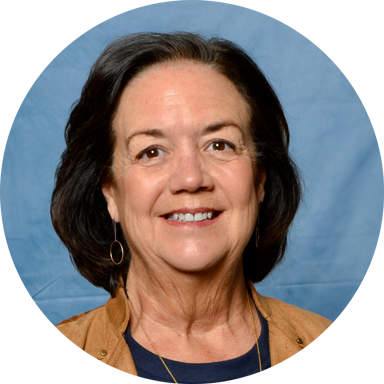
Sally K. Albrecht

Sally K. Albrecht has shaped American choral music for over three decades as a composer, conductor, and publisher. Her catalog includes more than 600 published works and 75 larger musicals, alongside consistent recognition from ASCAP since 1987. She served as Director of School Choral, Vocal, and Elementary Publications for Alfred Music and has conducted honor choirs at major venues including Lincoln Center, Carnegie Hall, and The Kennedy Center.

Albrecht holds degrees from Rollins College (B.A. in Music and Theater, 1976), the University of Miami (M.A. in Drama and M.M. in Accompanying), and has taught at Oakland University, Jersey City State College, and Meredith College. Her work is distinguished by an innovative approach to choral movement and staging. She and composer Jay Althouse live in Wake Forest, North Carolina, where she continues composing and serving in leadership roles within music education.

Why we love this

Albrecht's integration of handclaps with independent melodic lines creates a piece that captivates both singers and audiences. The combination of polyphonic writing, strategic contrast through call-and-response, and built-in movement makes this equally strong for concert settings and festival competition, where judges consistently respond to pieces that engage the whole ensemble physically and vocally.

What to expect

Sing Alleluia captures joy through motion and layering. As each voice part enters with its own melody and contributes claps to the texture, the piece builds from individual voices into unified celebration, creating a sound that feels both intricate and infectious.

Who it's for

Directors seeking a concert or festival piece that combines musical substance with visual engagement. SATB choirs at the intermediate to advanced level will find the counterpoint and independent voice parts rewarding without being prohibitively complex.

How to get the most out of it

  • Build precision in the stacked vocal lines by having each voice part lock their melody and clap pattern separately before layering groups together. Start with sopranos and altos, then add tenors and basses incrementally.
  • The handclaps need rhythmic clarity to land the visual impact. Consider subtle dynamic shaping in the vocal lines to let the percussion element breathe and cut through without muddying the texture.
  • Rehearse the call-and-response section with intentional contrast in tone and energy. This section bridges the individual melodic work and the polyphonic finale, so treat it as a moment to reset the ensemble's focus.
  • Shape the final reprise and flourish with building intensity. The piece earns its brilliance through careful pacing, so avoid rushing the climactic moments.

How to use it

Place this late in a concert where your ensemble's confidence is established and the audience energy is ready for something participatory and celebratory. The blend of sacred text with contemporary staging makes it an effective anchor piece for programs mixing traditional and modern choral repertoire.

Skills your students will build

  • Independence in part-singing while maintaining awareness of surrounding harmonic layers
  • Rhythmic precision with simultaneous vocal and percussive elements
  • Polyphonic listening and blend within complex textures
  • Physical coordination of movement with vocal line
  • Dynamic contrast and phrasing across call-and-response structures

You May Also Like
