Sing Alleluia, Clap Your Hands Cover Image

Sing Alleluia, Clap Your Hands: SSAA, <I>a cappella</I> Choral Octavo

$2.20 USD
Sale price  $2.20 USD Regular price 
Skip to product information
Sing Alleluia, Clap Your Hands Cover Image

Sing Alleluia, Clap Your Hands: SSAA, a cappella Choral Octavo

Words and music by Sally K. Albrecht

Item: 00-49651

makemusic Cloud badge

Need it now?

Buy Digital Version
$2.20
Shipped

One moment…

Description
Stacked vocal lines and counterpoint handclaps sound (and look) stunning! Each voice part introduces its own independent melody with claps, until everything combines in joyful polyphony. Some chordal singing and a call-and-response section provide contrast before an energized reprise leads to the brilliant final flourish. A remarkably effective concert/contest feature, newly available for SSAA groups.

Don't just read it, hear it, play along with it, and watch your students grow with it. In MakeMusic Cloud, Sing Alleluia, Clap Your Hands: SSAA, a cappella Choral Octavo comes alive with professional accompaniment, adjustable tempo, and built-in practice tools that turn solo practice into real progress.

Sample Pages

Sample Audio
0:00
0:00
Sample Video
Additional Details
Series: Alfred Choral Designs
Publisher: Alfred Music
Page Count: 16
UPC: 038081567389
SKU: 00-49651

More about this title

About the Composer: Sally K. Albrecht
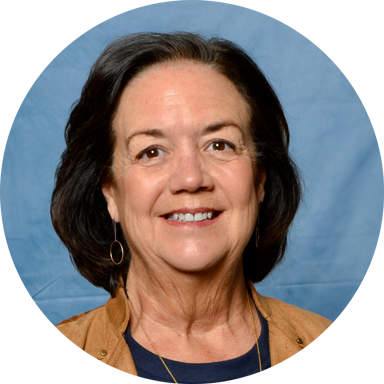
Sally K. Albrecht

Sally K. Albrecht stands among today's most prolific choral composers, with more than 600 publications to her name and a distinctive voice shaped by decades of work in music publishing and education. Since 1987, she has received the ASCAP Special Music Award annually, recognition of her consistent output and impact on choral music. Her background spans conducting, composition, and arrangement; she served as Director of School Choral, Vocal, and Elementary Publications for major educational publishers and has led honor choirs at prestigious venues including Lincoln Center, Carnegie Hall, and The Kennedy Center.

Albrecht holds degrees from Rollins College (B.A. in Music and Theater, 1976) and the University of Miami Frost School of Music (M.A. in Drama, 1977; M.M. in Accompanying, 1979). She has taught at Oakland University, Jersey City State College, and Meredith College. Beyond her compositional work, she has chaired the Board of Trustees for Omicron Delta Kappa National Leadership Honor Society and received their Pillar of Leadership award. In 2021, both the University of Miami and Rollins College honored her with Distinguished Alumna Awards. She lives in North Carolina with her husband, composer and arranger Jay Althouse.

Why we love this

Albrecht has engineered a piece that succeeds equally as concert opener and festival showstopper, combining theatrical staging possibilities with genuine musical substance. The counterpoint architecture feels fresh and playable; each voice part earns its own melodic moment before the ensemble locks into joyful polyphony, keeping singers engaged and audiences visibly delighted. The handclaps function as both rhythm section and textural anchor, a device that costs nothing to execute but creates an impression of considerable sophistication.

What to expect

The opening feels almost conversational, with each voice introducing its own tune before the texture thickens into radiant polyphony. The call-and-response section brings a moment of playful lightness before the final reprise ignites with joyful energy and a brilliant clinching moment.

Who it's for

SSAA ensembles ranging from intermediate to advanced will find both a satisfying musical experience and a potent performance vehicle. This piece suits school choirs, community singing groups, and collegiate women's ensembles looking for something that combines accessibility with undeniable stage presence.

How to get the most out of it

  • Establish the rhythmic integrity of the clap patterns early in rehearsal by treating them as instrumental percussion parts, not afterthoughts. Layer them in gradually (one voice at a time) before combining with sung material.
  • Shape each voice's independent melody with full legit vibrato and phrase direction during the opening section; this prevents the piece from sounding like puzzle-piece parts waiting to align.
  • Balance the call-and-response section carefully by using dynamic contrast and clear articulation rather than volume alone, preserving the conversational quality without losing ensemble cohesion.
  • Reserve full energy for the final reprise and flourish; build momentum through the earlier sections rather than peaking before the final moments.

How to use it

Program this as a concert opener to establish energy and engagement with your audience immediately, or use it as a festival contest selection where staging and ensemble precision both matter. It pairs well in a program where you want to balance sacred repertoire with pieces that invite physical participation and obvious joy.

Skills your students will build

  • Independence in melodic lines and counterpoint writing
  • Rhythmic precision with layered patterns and handclap coordination
  • Balance and blend when sustaining harmonic notes while other voices carry melody
  • Call-and-response phrasing and textural contrast
  • Stage presence and ensemble synchronization in staged pieces

You May Also Like
