

Sing Alleluia, Clap Your Hands: SATB, a cappella Choral Octavo
Words and music by Sally K. Albrecht
Item: 00-PO-0003130
$2.10
Minimum order quantity: 20 copies
Pickup currently not available
Related Items
Sing Alleluia, Clap Your Hands: SSAB, a cappella Choral Octavo |
$2.25
|
View | |
Sing Alleluia, Clap Your Hands: SSAA, a cappella Choral Octavo |
$2.20
|
View | |
Sing Alleluia, Clap Your Hands: SATB, a cappella Choral Octavo |
$2.10
|
View | |
Sing Alleluia, Clap Your Hands: SSAB, a cappella Choral Octavo |
$2.25
|
View | |
Sing Alleluia, Clap Your Hands: SSAA, a cappella Choral Octavo |
$2.20
|
View |
Description
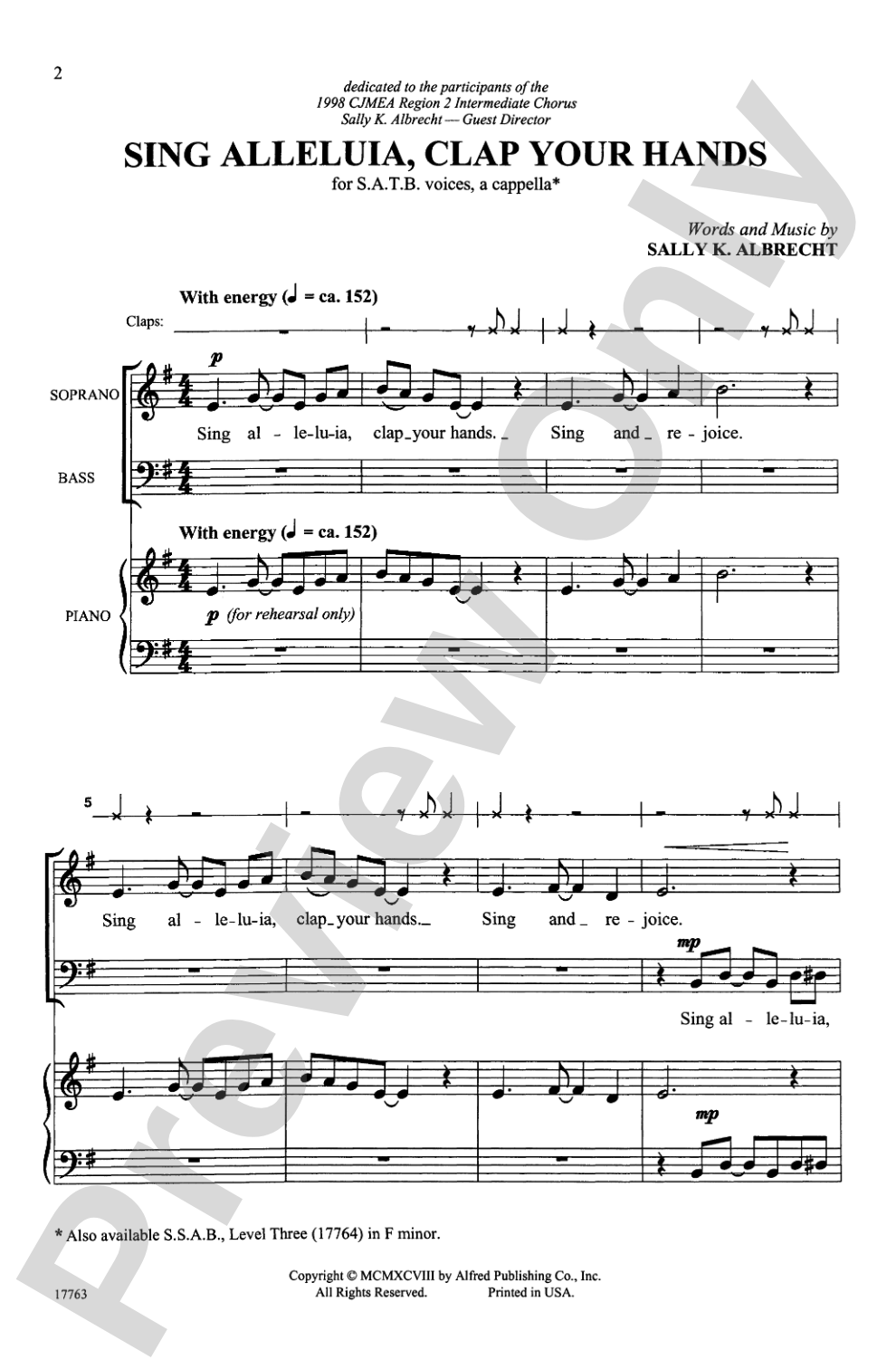
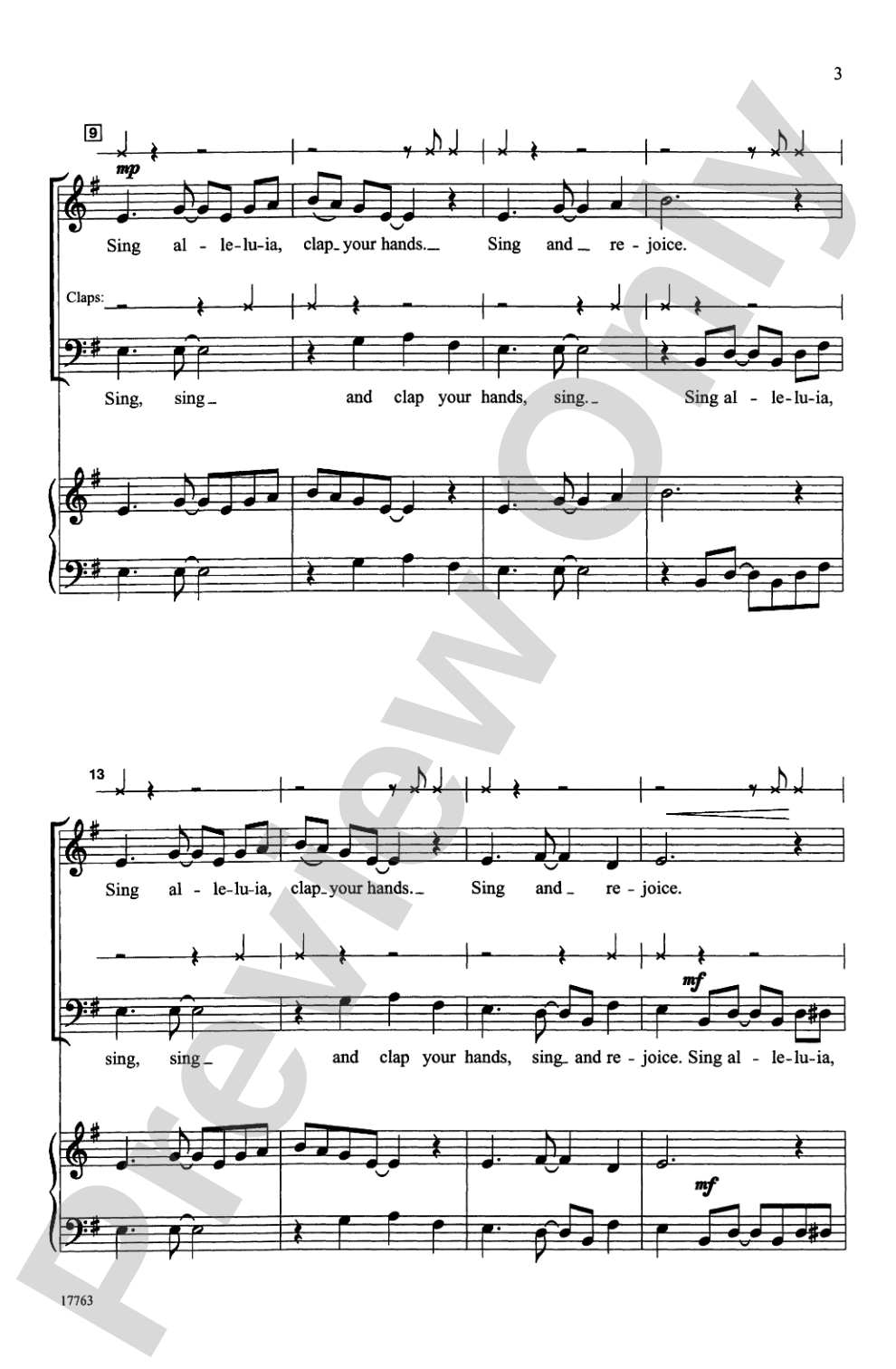
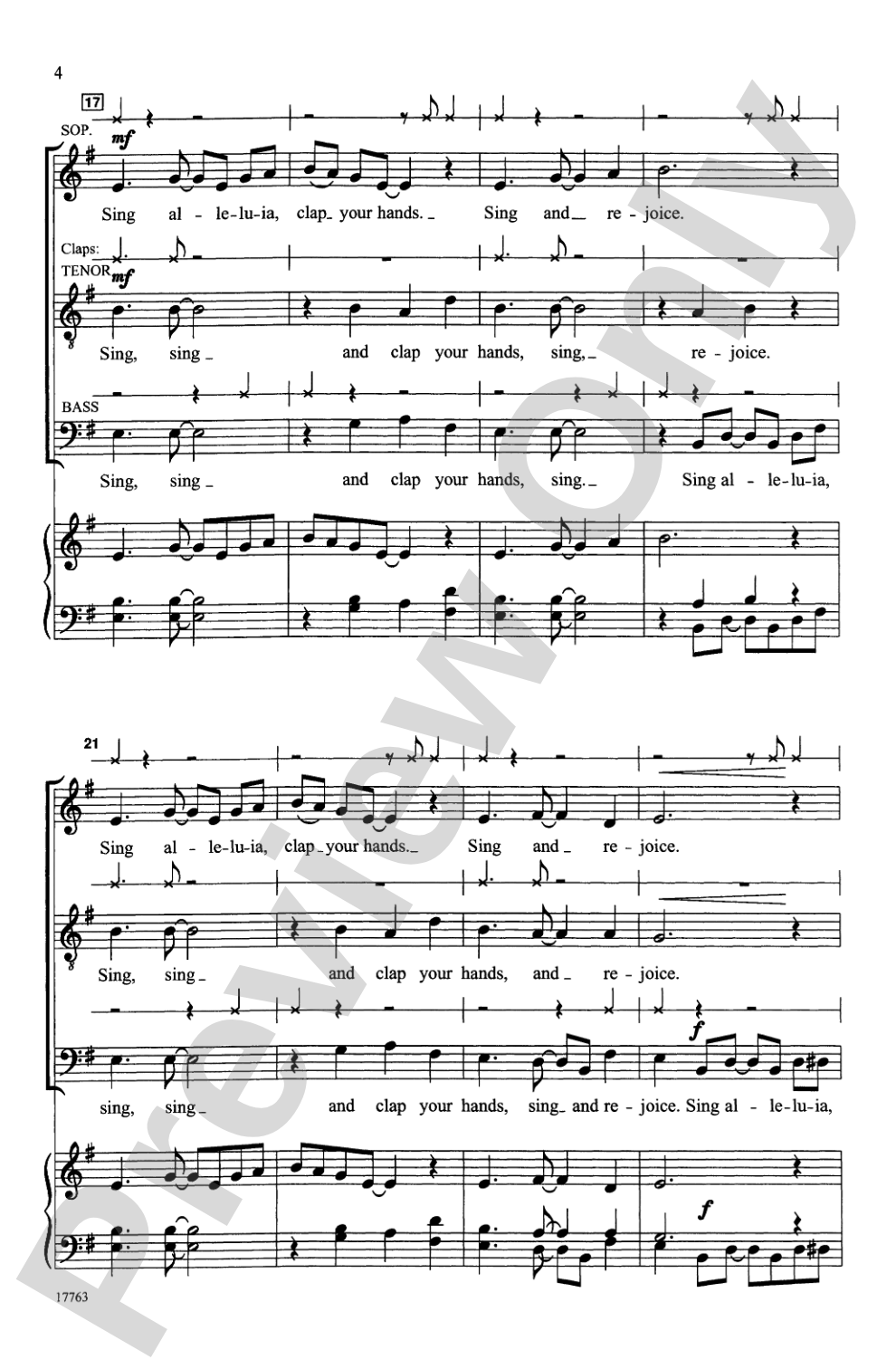
Stacked vocal lines and counterpoint handclaps sound (and look) stunning! Each voice part introduces its own independent melody with claps, until everything combines in joyful polyphony. Some chordal singing and a call-and-response section provide contrast before an energized reprise leads to the brilliant final flourish. A remarkably effective concert/contest feature. This title is available in MakeMusic Cloud.


Sing Alleluia, Clap Your Hands: SATB, a cappella Choral Octavo isn't in MakeMusic Cloud just yet...but it could be. Let us know you'd like to see it, and you'll help shape what comes next. In the meantime, start a free trial and dive into thousands of interactive titles your students can play along with today.
Request This Title
Tell us you want it.
Start Your Free Trial
Explore everything that's ready to play right now.
Sample Audio
1
Audio File
--:--
0:00
0:00
Sample Video
No sample videos found.
Additional Details
Series:
Alfred Choral Designs
Publisher:
Alfred Music
Page Count:
12
SKU:
00-PO-0003130
More about this title
About the Composer: Sally K. Albrecht
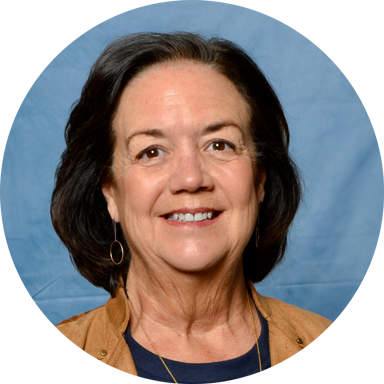
Sally K. Albrecht has shaped American choral music for over four decades as a composer, conductor, and tireless advocate for choral movement in education. Her catalog of more than 600 published works has earned her consecutive ASCAP Special Music Awards since 1987, and her influence extends across the country through honor choir festivals at major venues including Lincoln Center, Carnegie Hall, and The Kennedy Center. For more than thirty years, she directed choral and vocal publications for leading educational music publishers, most recently Alfred Music, while simultaneously teaching at universities including Oakland University, Jersey City State College, and Meredith College.
Holding degrees from Rollins College (B.A. in Music and Theater, 1976) and the University of Miami (M.A. in Drama, 1977; M.M. in Accompanying, 1979), Albrecht continues to live in Wake Forest, North Carolina, with her husband and fellow composer Jay Althouse. Her leadership extends beyond music education into civic service, including a term as Chair of the Board of Trustees for Omicron Delta Kappa National Leadership Honor Society. In 2021, she received distinguished alumni recognition from both the University of Miami Frost School of Music and Rollins College, where she serves on the Board of Trustees.
Why we love this
The architectural clarity of this piece makes it a standout feature rather than a filler selection. Albrecht constructs each voice part as a distinct melodic idea, then lets the handclaps become a percussion element in their own right, creating visual and sonic interest that audiences remember long after the concert ends. Marrying genuine musical sophistication with the kind of kinetic energy that energizes a festival program, this works equally well as a concert centerpiece or a contest winner.
What to expect
Joyful and percussive, with the infectious energy of voices and bodies working in unison. The layered melodies create an almost fugal brightness that builds momentum, while the handclaps add tactile warmth and an invitation for audiences to sense the singers' delight.
Who it's for
This works for intermediate to advanced SATB choirs seeking a concert or festival piece that combines sophisticated musicianship with obvious crowd appeal. Directors who value movement integration and choral staging will find here a work that feels choreographically natural rather than imposed, since the handclaps emerge from the music's own structure.
How to get the most out of it
- Map out the handclap sections in early rehearsals as rhythmic ostinatos, treating them with the same precision you'd give to any percussion part. Isolate each voice part's clapping pattern before layering.
- Invest time in the counterpoint passages where melodic lines weave together. Mark phrase shapes and inner-voice independence so listeners hear the polyphonic texture, not a blur of sound.
- Shape the call-and-response section with clear dynamic contrast and articulation between the calling and responding voices, using the textural shift to reset energy before the final reprise.
- Balance the energy of the opening stacked lines with restraint during the chordal singing passages, so the final flourish lands with genuine impact rather than sounding like an overstated conclusion.
How to use it
Open a concert with this to establish immediate audience connection and choir confidence, or anchor a sacred choral showcase by pairing it with quieter, introspective repertoire. Its festival-ready polish and memorable sound make it ideal for showcase performances, spring concert finales, or competition programs where strong audience response and musical credibility both matter.
Skills your students will build
- Independent melodic line singing within complex polyphonic textures
- Rhythmic precision with added body percussion while maintaining vocal line integrity
- Counterpoint awareness and inner-voice listening
- Call-and-response communication between voice sections
- Unified ensemble sound across contrasting dynamic and textural sections