

Over the Rainbow: SATB, Opt. a cappella Choral Octavo
As performed by Israel Kamakawiwo'ole
Lyrics by E. Y. Harburg, music by Harold Arlen / arr. Andy Beck
Item: 00-PO-0001014
$2.35
Minimum order quantity: 20 copies
One moment…
Related Items
Over the Rainbow: SoundTrax Digital Audio Download |
$27.99
|
View | |
Over the Rainbow: SSAB, Opt. a cappella Choral Octavo |
$2.35
|
View | |
Over the Rainbow: TTBB, Opt. a cappella Choral Octavo |
$2.25
|
View | |
Over the Rainbow: 2-Part Choral Octavo |
$2.65
|
View | |
Over the Rainbow: SATB, Opt. a cappella Choral Octavo |
$2.35
|
View | |
Over the Rainbow: SSAB, Opt. a cappella Choral Octavo |
$2.35
|
View | |
Over the Rainbow: TTBB, Opt. a cappella Choral Octavo |
$2.25
|
View | |
Over the Rainbow: 2-Part Choral Octavo |
$2.65
|
View | |
Over the Rainbow: Choral Octavo SoundTrax CD |
$27.99
|
View |
Description
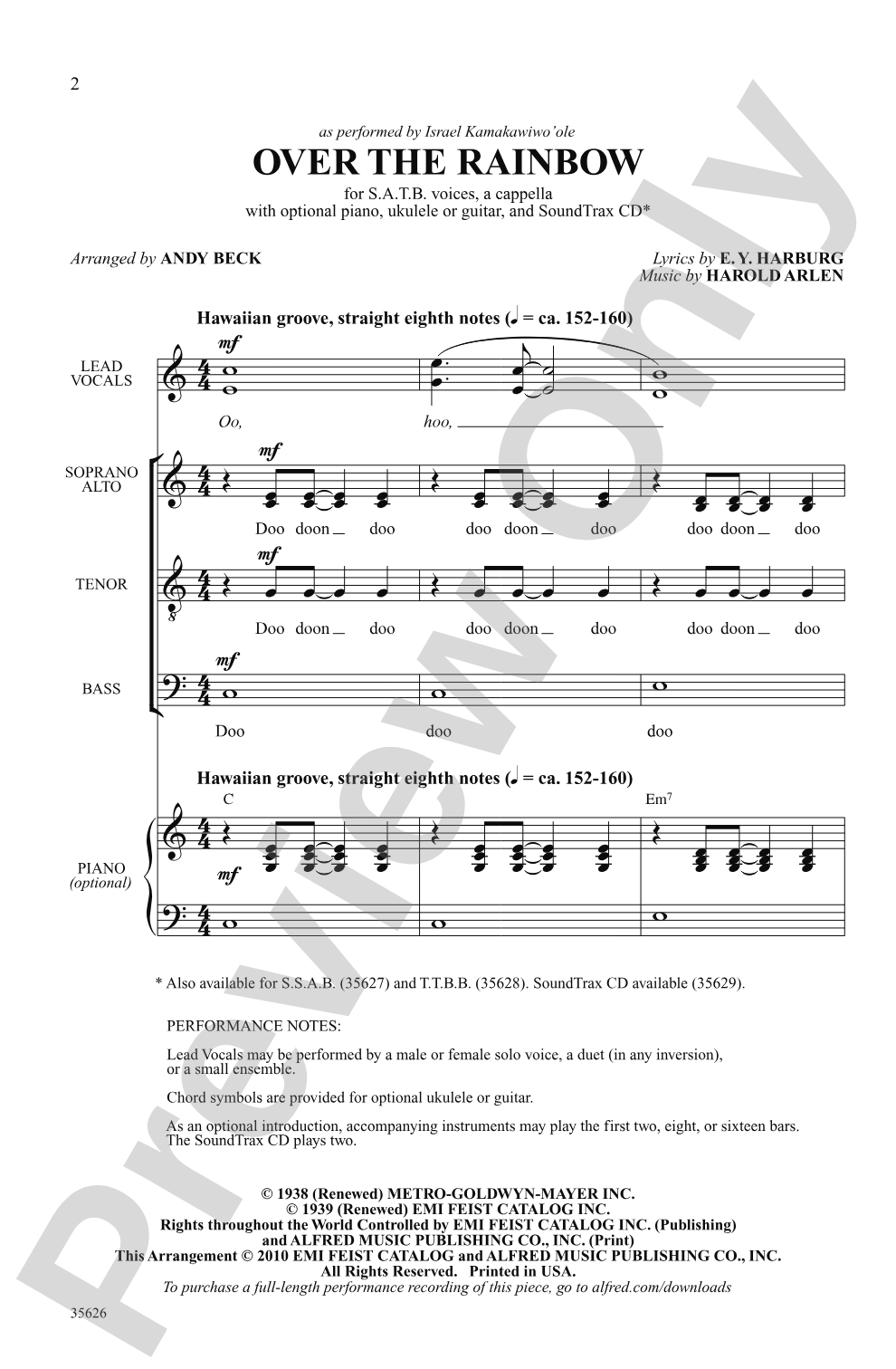
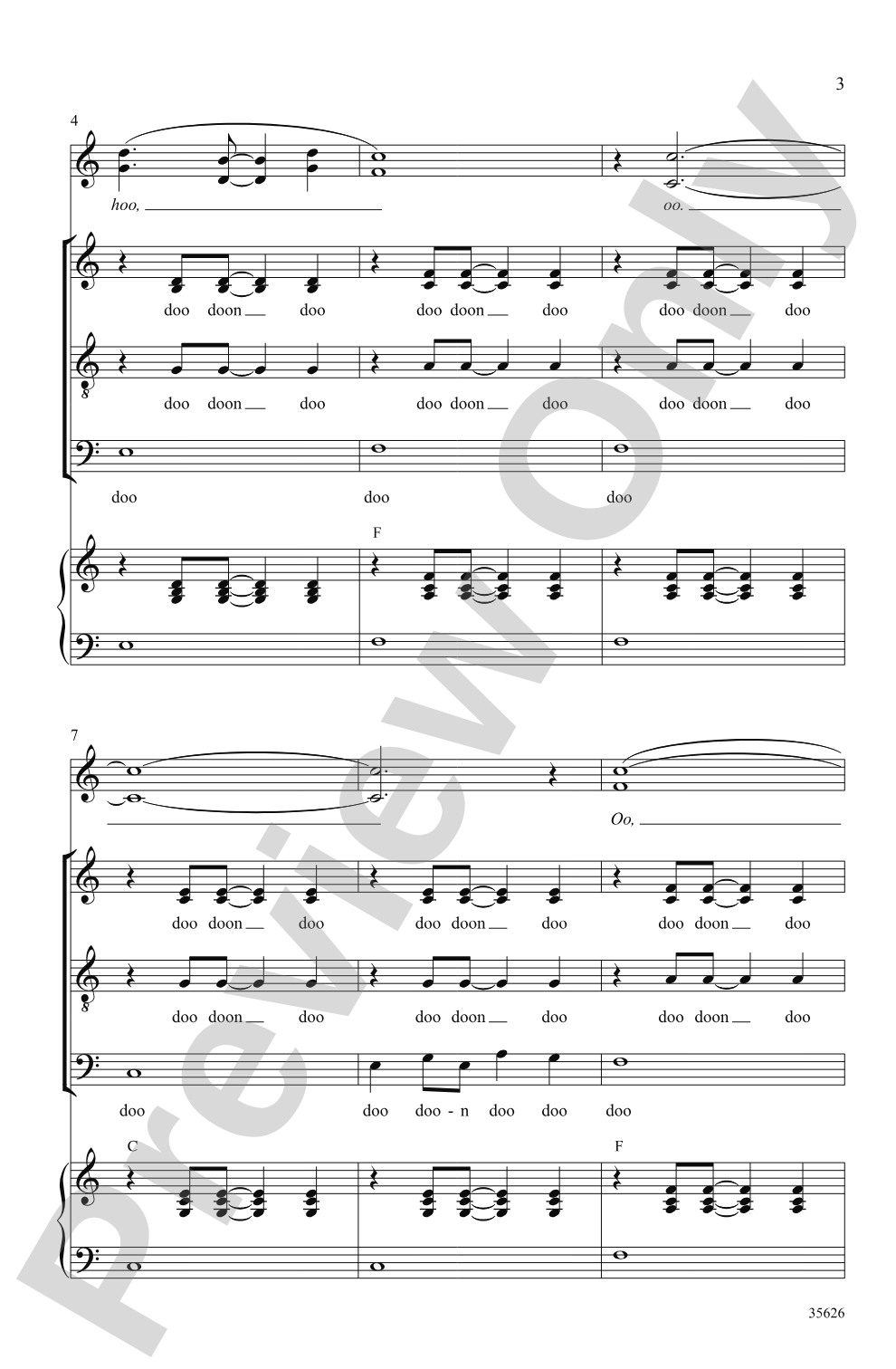
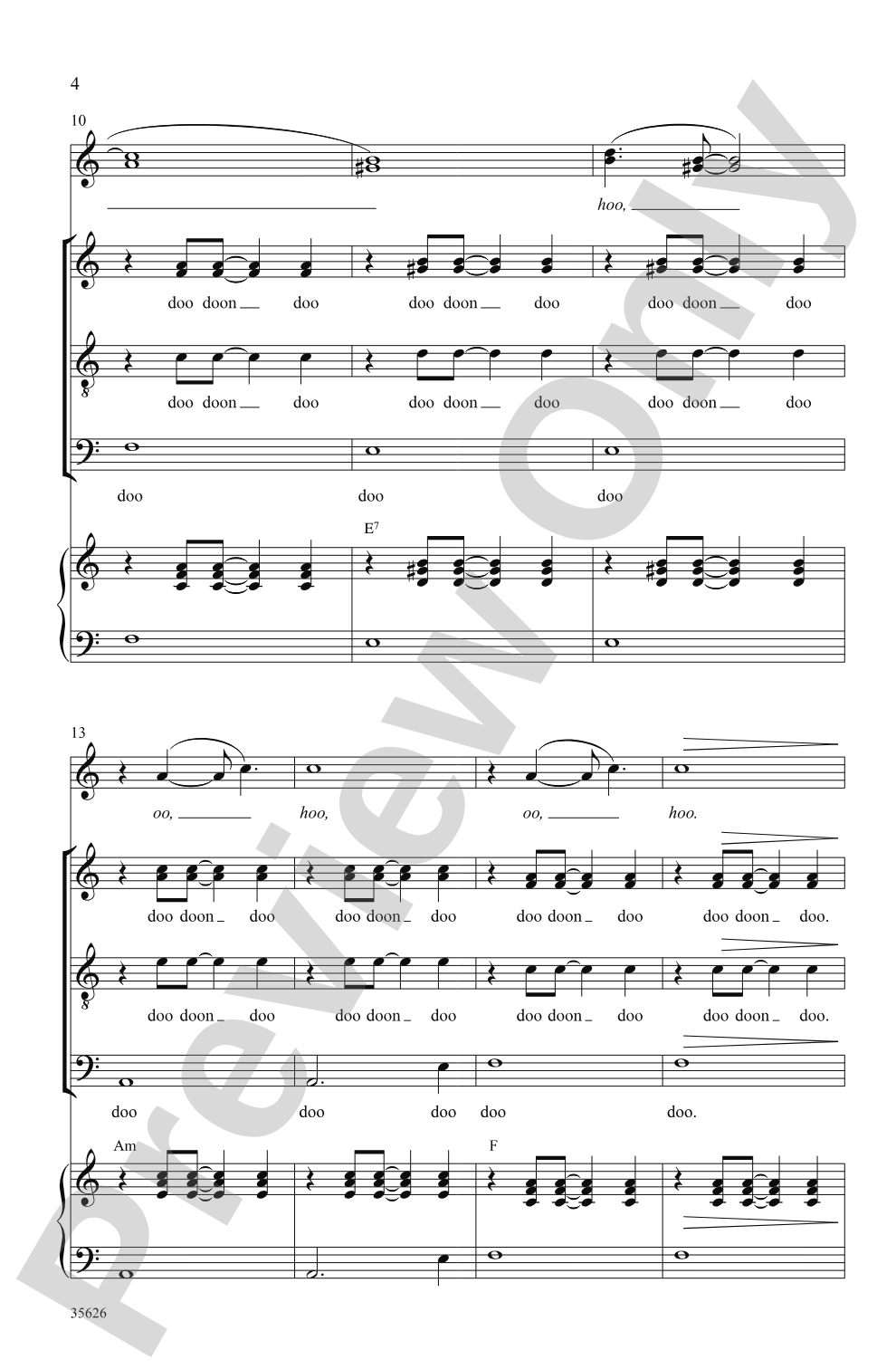
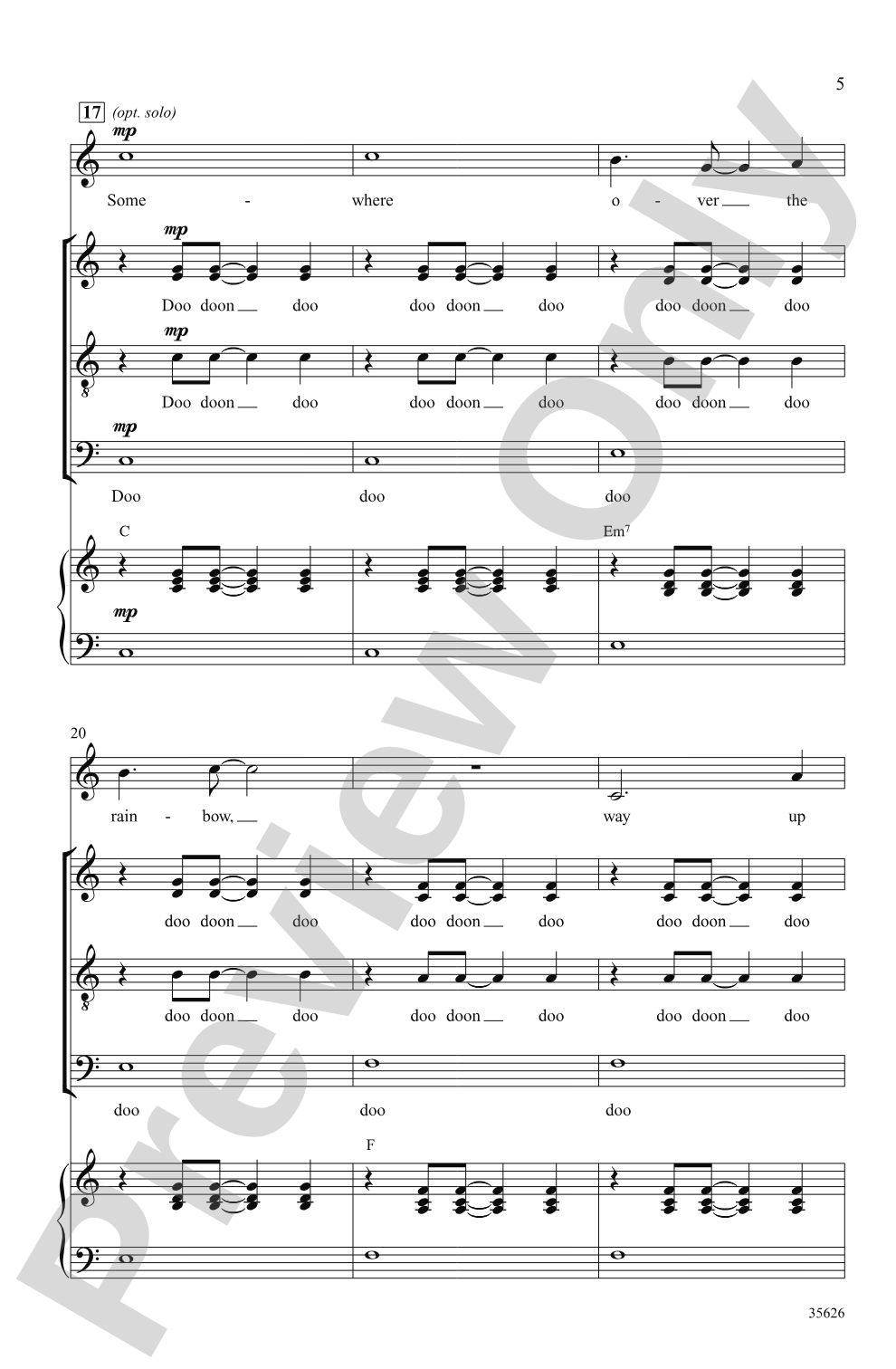
Israel Kamakawiwo'ole's Hawaiian-style "Over the Rainbow" has become a prevalent part of today's popular music. Performed in Glee's first season finale by Matthew Morrison and Mark Salling, the unique setting has been sung by several American Idol contestants and featured in many TV shows and movies. In this creative arrangement, a divisi choir accompanies the soloist, duet, or small group, performing a cappella or with optional piano, ukulele, or guitar.


Over the Rainbow: SATB, Opt. a cappella Choral Octavo isn't in MakeMusic Cloud just yet...but it could be. Let us know you'd like to see it, and you'll help shape what comes next. In the meantime, start a free trial and dive into thousands of interactive titles your students can play along with today.
Request This Title
Tell us you want it.
Start Your Free Trial
Explore everything that's ready to play right now.
Sample Audio
1
Audio File
--:--
0:00
0:00
Sample Video
No sample videos found.
Additional Details
Series:
Alfred Pop Choral Series
Publisher:
Alfred Music
Page Count:
20
SKU:
00-PO-0001014
More about this title
About the Composer: Harold Arlen
Harold Arlen composed some of the most enduring melodies in American musical theater, with a gift for writing songs that transcend their original contexts. "Over the Rainbow," from the 1939 film The Wizard of Oz, remains one of his most recognizable works and a staple of vocal education, recorded and reinterpreted across genres and cultures for decades.
Arlen's approach to melody combined accessibility with sophistication. His songs sit naturally in the voice while containing harmonic subtlety that rewards both singers and arrangers, making them ideal for educational settings where emotional authenticity matters as much as technical challenge.
Why we love this
This arrangement captures what made Kamakawiwo'ole's version so compelling: the floating, intimate quality that comes from a soloist supported by warm vocal textures rather than orchestration. The flexibility to perform a cappella or add ukulele and guitar means you're not locked into a single sound, and the divisi writing gives your SATB singers real color without requiring extended technique or excessive range demands.
What to expect
Floating and contemplative, with moments of genuine warmth as the choir comes in around the soloist. There's a dreamlike quality that shifts between intimate vulnerability and gentle support, creating space for listeners to hear themselves in the song.
Who it's for
Choirs looking to connect with contemporary repertoire while working with a melody students and audiences already know. This works equally well for treble, concert, or show choirs; the flexible instrumentation and accessible voicing make it adaptable to different musical contexts and ensemble sizes.
How to get the most out of it
- Let the soloists breathe naturally rather than matching the recorded accompaniment's phrasing exactly. The charm of this arrangement lives in that conversational quality between the featured voice and the choir.
- Balance the divisi sections so the choir feels like an extension of the soloist's emotional landscape, not a separate sound. Blend over blend.
- If adding ukulele or guitar, keep the accompaniment sparse in the verses. The strength of this setting is its airiness; too much harmonic reinforcement dulls the intimacy.
How to use it
Pair this with other culturally relevant arrangements in a pops or contemporary music concert, or use it as a closing piece where emotional resonance matters more than spectacle. It also works as a poignant encore or as part of a program exploring how classical standards live on in popular music.
Skills your students will build
- Balancing solo and ensemble textures
- Sustaining tone and blend across divisi parts
- Singing in flexible meter and phrase length
- Accompanying a soloist without overwhelming the primary melody
- Adapting to multiple instrumental configurations (a cappella, piano, ukulele, guitar)