Little Tree Cover Image

Little Tree: 3-Part Mixed Choral Octavo

$1.75 USD
Sale price  $1.75 USD Regular price 
Skip to product information
Little Tree Cover Image

Little Tree: 3-Part Mixed Choral Octavo

Inspired by a poem by e. e. cummings. Words by Sally K. Albrecht, music by Sally K. Albrecht and Jay Althouse

Item: 00-27345

makemusic Cloud badge

Need it now?

Buy Digital Version
$1.75
Shipped

One moment…

Description
A charming and unique Christmas piece with lyrics inspired by a famous e. e. cummings poem. "Little silent Christmas tree, were you sorry to leave the forest?" The music, taking its cue from the text, is beautiful in its simplicity. An elegant change of pace for your holiday concerts. Features an optional solo or small group section.

Don't just read it, hear it, play along with it, and watch your students grow with it. In MakeMusic Cloud, Little Tree: 3-Part Mixed Choral Octavo comes alive with professional accompaniment, adjustable tempo, and built-in practice tools that turn solo practice into real progress.

Sample Pages

Sample Audio
0:00
0:00
Sample Video
Additional Details
Series: Alfred Choral Designs
Publisher: Alfred Music
Page Count: 8
UPC: 038081296050
SKU: 00-27345

More about this title

About the Composer: Sally K. Albrecht
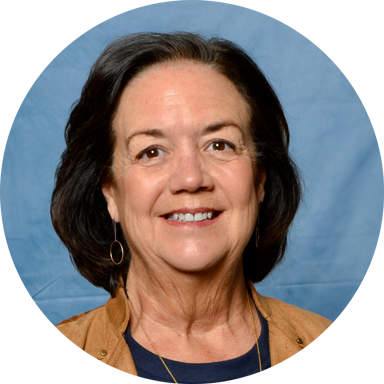
Sally K. Albrecht

Sally K. Albrecht has shaped American choral music for over four decades as a composer, conductor, and educator. Since 1987, she has been an annual recipient of the ASCAP Special Music Award, with more than 600 published choral works and 75 larger musicals and songbooks to her credit. She has conducted honor choirs at major venues including Lincoln Center, Carnegie Hall, and The Kennedy Center, and spent over 30 years directing choral and vocal publications for leading educational music publishers, including her tenure as Director of School Choral, Vocal, and Elementary Publications at Alfred Music.

Albrecht holds degrees from Rollins College (B.A. in Music and Theater, 1976), the University of Miami (M.A. in Drama, 1977), and the University of Miami Frost School of Music (M.M. in Accompanying, 1979). She has taught at Oakland University, Jersey City State College, and Meredith College. In 2021, she received the Distinguished Alumna Award from both the University of Miami Frost School of Music and Rollins College, where she serves on the Board of Trustees. She resides in Wake Forest, North Carolina, with her husband, composer and arranger Jay Althouse.

Why we love this

Albrecht and Althouse have crafted a piece that lets e.e. cummings' gentle, contemplative language breathe without ornamentation. The restrained harmonic language and optional solo sections give you flexibility to feature strong singers or keep the texture intimate, making it equally effective in a competitive festival setting or a quieter concert moment.

What to expect

The piece unfolds like a quiet conversation between singer and listener, intimate and reflective rather than celebratory. Rooted in the imagery of a small evergreen missing its forest home, the music mirrors that longing through elegant simplicity, creating a moment of genuine tenderness in a holiday season often filled with busier works.

Who it's for

This octavo suits choirs seeking repertoire that challenges singers to find depth within restraint, rather than through technical difficulty. It works equally well for high school and adult choirs, and its moderate difficulty makes it accessible for programs building toward a concert without requiring extensive rehearsal time.

How to get the most out of it

  • Emphasize the lyrical quality of the text by allowing the singers to shape phrases around the punctuation in cummings' poetry rather than traditional 4- and 8-bar phrases.
  • If using the optional solo or small group section, consider which singers can deliver the vulnerability the text requires; the contrast will land harder if the solo voice is distinctly lighter or more exposed than the full ensemble.
  • Let the simplicity of the harmonic palette guide your tempo; resist the urge to rush, as silence and space are as important as the notes themselves.

How to use it

Position this piece as a bridge between secular and sacred holiday programming, or pair it with other understated choral works to create a thoughtful second half to your concert. Its 8 pages and moderate difficulty make it an ideal choice for holiday programs that need one strong contrasting piece to offset more extroverted selections, and its text-driven character makes it a natural fit for festival competitions.

Skills your students will build

  • Reading and interpreting unconventional text punctuation
  • Singing with lyrical restraint and emotional nuance
  • Blending and balancing in 3-part SAB voicing
  • Managing optional solo passages within a choral context

You May Also Like
